20 Days
Check Our Risk-Free Booking Policy View Details

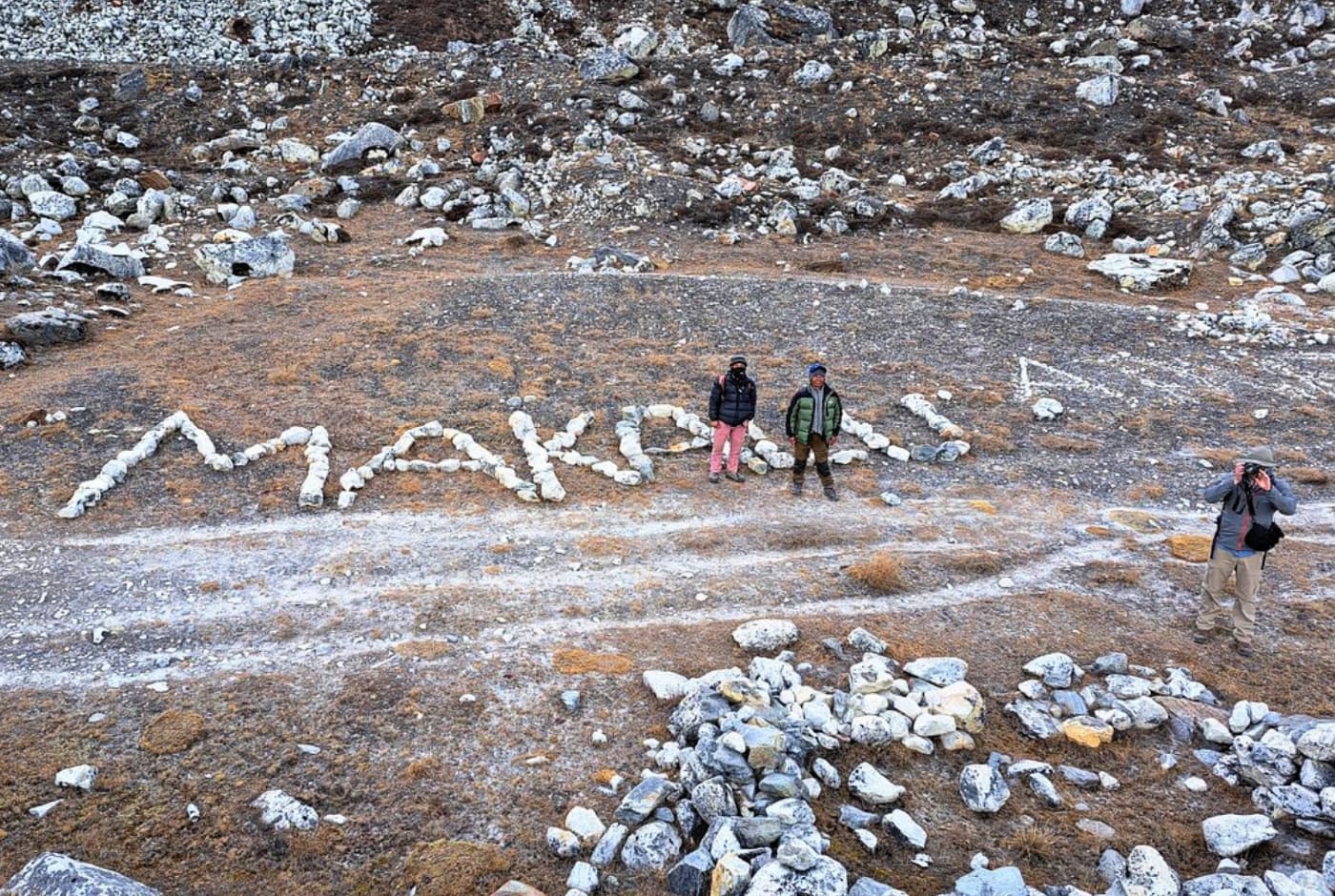
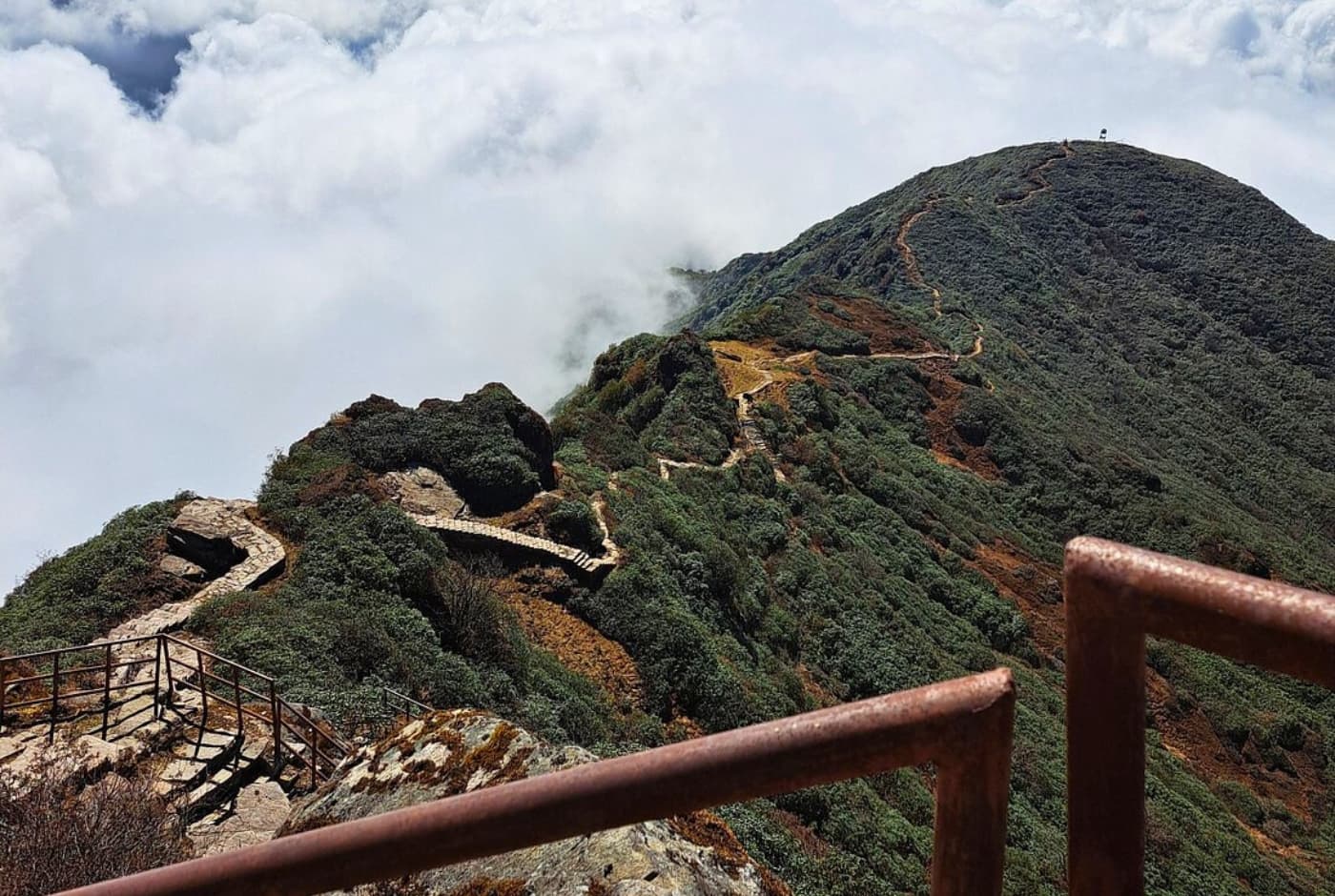
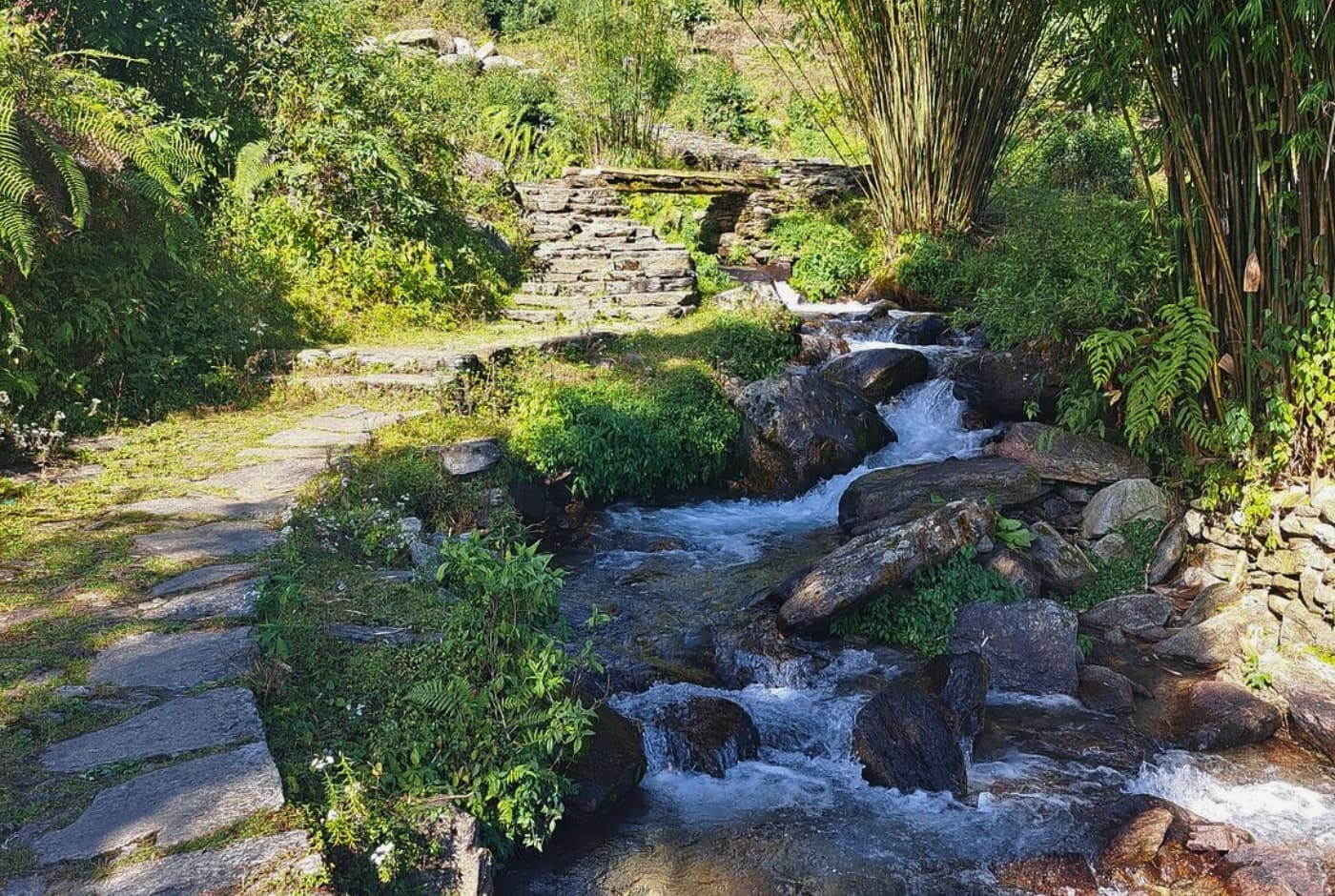
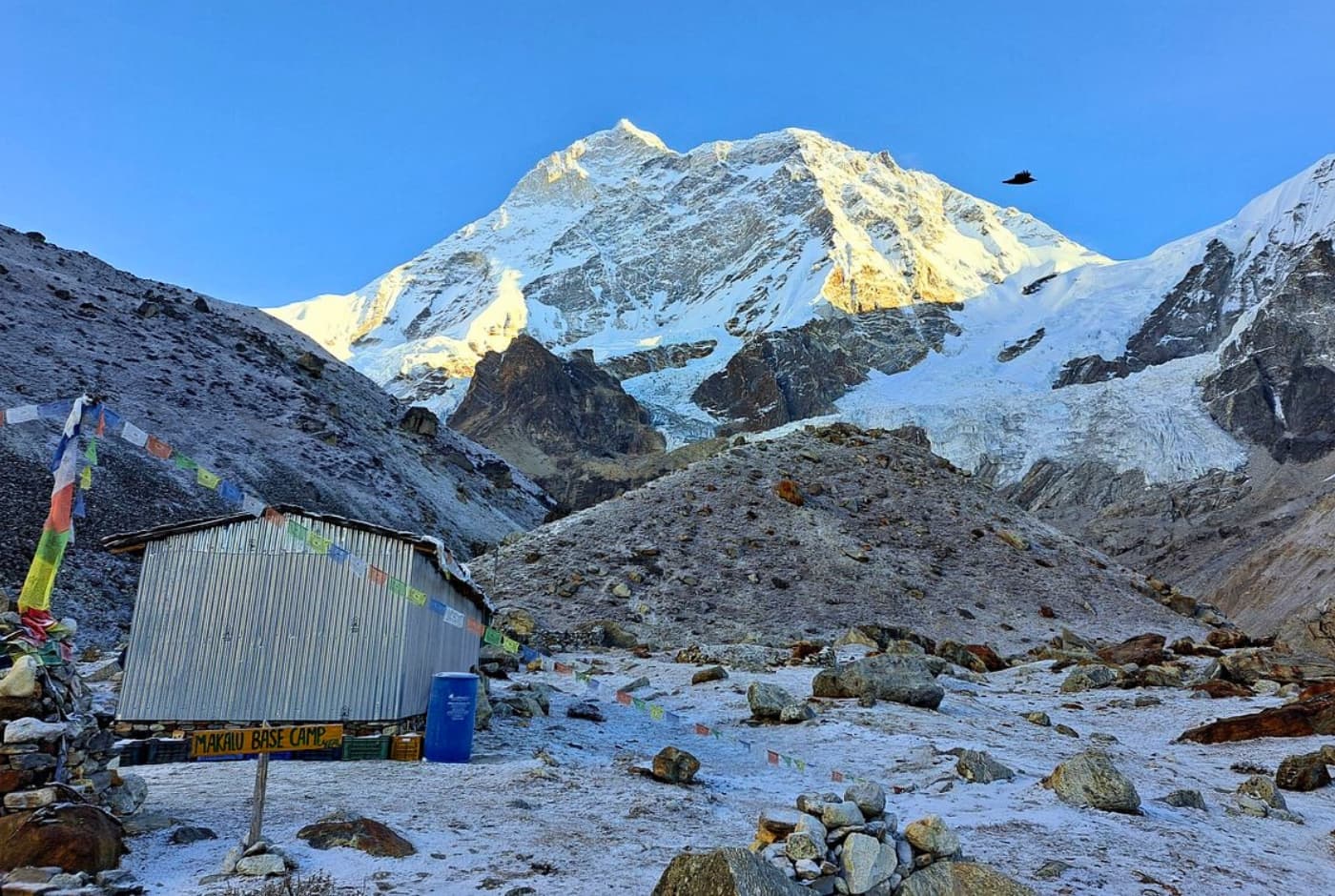
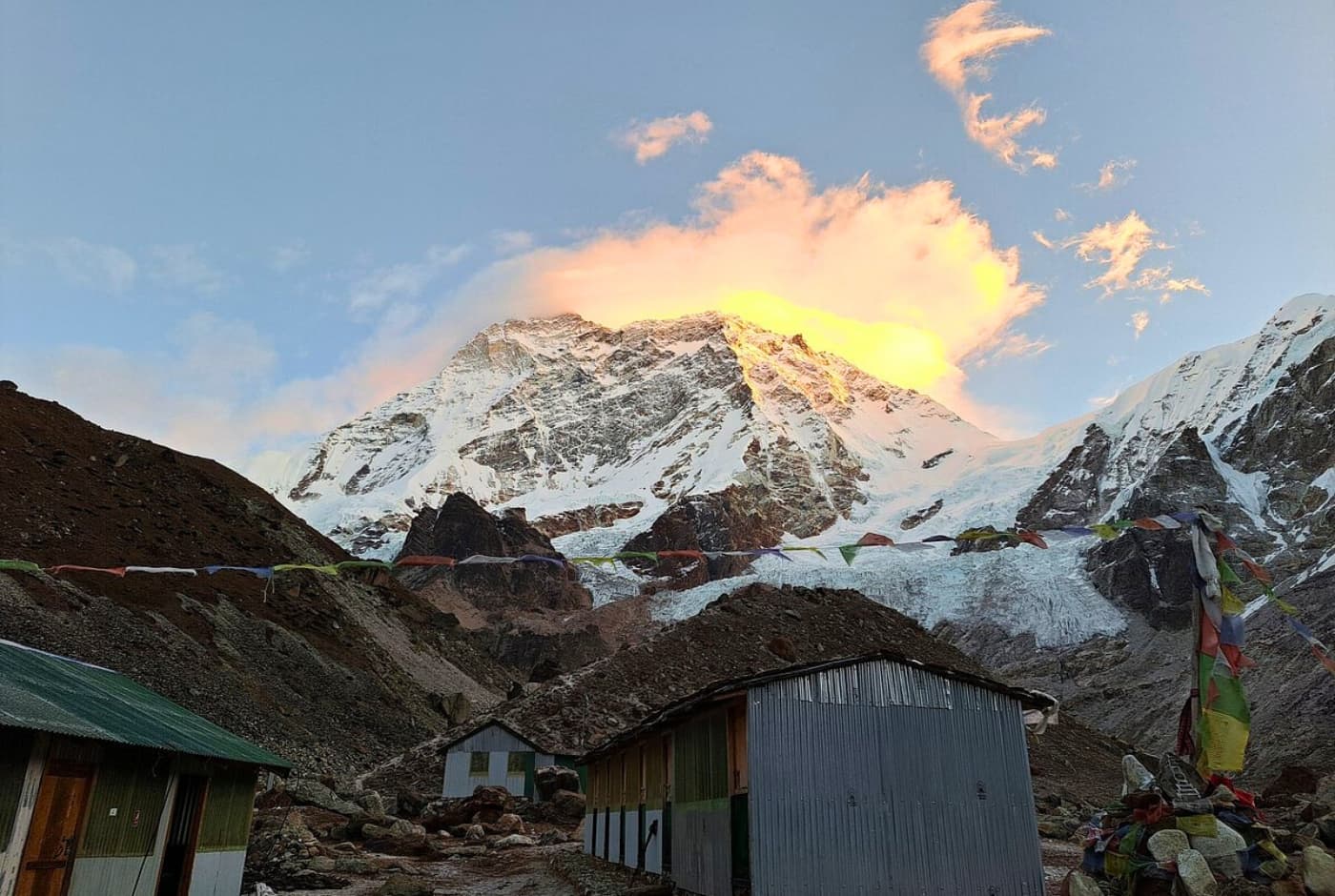
Explore the valleys in the eastern region of Nepal and savour the beauty that lies in the fifth-highest mountain in the world. Makalu Base Camp Trek is a beautiful journey that lets you taste the real adventure of walking inside the Makalu Barun National Park to the Makalu Base Camp.
The region offers magnificent views of mountains like Mt. Makalu with other peaks like Mt. Everest, Mt. Lhotse, and Mt. Baruntse. The lush scenery of Arun valley is probably the most beautiful thing that will keep you going throughout your journey. Though many people keep their interest in this trek, the Makalu region attracts only a few travelers during a year due to its remote accessibility and off-the-beaten trekking trail.
Makalu Base Camp Trek starts with a flight from Kathmandu to Tumlingtar. From Tumlingtar, we drive to Num, from where our real trekking journey initiates. You follow the Barun river valley in Makalu Barun National Park and cross several high passes like Shipton La and Keke La on the route to Makalu Base Camp.
Talking about the difficulty on the way and trail, the trail to Makalu Base Camp is never flat. You will either ascend up or descend down, making the trek difficult and tiring. But the difficulty you face along your way is nothing compared to the magnificence of nature you will enjoy. The rhododendron forests, beautiful cliffs, glaciers, and stunning waterfalls you encounter on the way will make your trek full of wonders and excitement. As you stand tall in the Makalu Base Camp, all you can do is let your eye wander from one peak to another with the majestic Mt. Makalu rising tall right in front of your eyes.
If you are curious about the altitude variation throughout your trek, then your trek initiates at an altitude of 400 meters in Tumlingtar and rises up to 5500 meters in the southeastern ridge of Mt. Makalu. The spectacular views of the mountains from the base camp are a reward for all our hard efforts made during our trek.
Covering the Makalu Barun National Park, Makalu Base Camp is rich in biodiversity. You can encounter rare birds and animals on your journey if you are lucky. Similarly, interaction with local people on the way will give us insights into their culture, lifestyle, and tradition. People here are engaged in agriculture for livelihood. You can see beautiful fields as you pass through villages. The people are friendly, which makes your journey more lively and homely.
Still undecided? Check out 15 perfect reasons to choose the Makalu Trek on your next adventure.
When you trek with Nepal Hiking Team to Makalu Base Camp, you're going with a team that cares about your adventure and keeps you safe. Our local guides know these tough trails like the back of their hand. They're also happy to talk about the Makalu region, local life, and the wildlife you might spot along the way.
We make sure you have clean, cozy places to stay along the way and plenty of good food to keep your energy up at high altitudes. We're serious about keeping you safe and helping you adjust to the altitude, especially on the high passes like Kekela Pass and Shipton La. We pace the trek based on how you're doing and what feels right for you, so your experience in Makalu-Barun National Park is truly yours.
When you trek with us, you get fair pricing and quality service. Our Makalu Base Camp Trek price includes everything you need: permits, guides, porters, places to stay, and all transportation. Travelers regularly compliment our professionalism, how we handle the details, and our commitment to making this remote, off-the-beaten-path adventure accessible, safe, and memorable. Nepal Hiking Team is known as the best trekking agency in Nepal for anyone who wants a high-quality Makalu Base Camp Trek at a fair price.
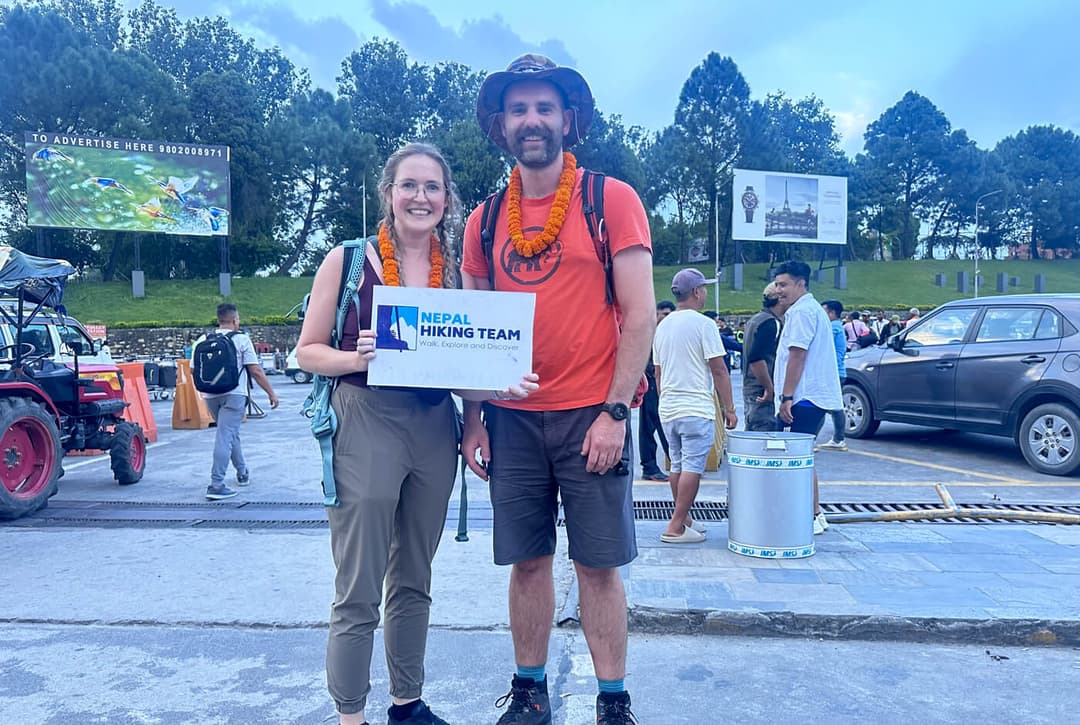
You are welcomed by a hospitable meeting, and then you will be transferred to the hotel. Our airport representative will explain the program briefly upon arrival. Overnight at hotel
Sightseeing of world heritage sites in Kathmandu valley, including Kathmandu Darbar square, Swayambhunath Temple, Boudhanath Stupa & Pasupatinath Temple.
Overnight at the hotel, breakfast included.
Begin your journey to Num by first flying from Kathmandu to Tumlingtar, a small town in eastern Nepal. The flight typically takes around 35 to 50 minutes and provides scenic aerial views of the Himalayas. Upon landing at the Tumlingtar airport, which is at a lower elevation of about 518 meters, you will meet your transportation for the next leg of the journey.
A private four-wheel-drive jeep is the recommended and most common way to travel to Num, and it is best to arrange this in advance through a trekking agency. The drive from Tumlingtar to Num is an adventurous trip in itself, with the journey lasting approximately 4 to 7 hours, depending on the rough road conditions.
The route climbs steadily, passing through verdant hills, small farming villages, and the larger town of Khandbari. Num village is perched on a ridge top at around 1,560 meters, offering panoramic views of the surrounding landscapes and distant peaks. This scenic flight and subsequent jeep ride serve as the primary access point for trekkers heading into the Makalu region.
We continue along the trail descending steeply from Num through the corn fields of Lumbang. Below the village, the trail drops steeply through a jungle to a suspension bridge over the Arun River (660 m).
From the bridge, we climb steeply to a primitive tea shop, then through corn and buckwheat field. Moving along the rocky path and tiny terraces planted with corn and barley, we make a long, steep, rough climb to Sedua.
Leaving Sedua, we do a gradual climb high above the Kasuwa Khola to Gyang (1770m).
Climbing past the school at Gyang, it is a gentle walk through terraced fields and forested areas to Hindrungma village and Rupisa. En route, we cross meadows and several streams and then climb to the Sherpa village of Tashi Gaon.
We climb over the ridge and ascend through forests to a stream and onto a ridge where there is a small campsite. The trail levels out and then climb to a shepherd’s hut called Chipla atop another ridge. We climb past two small streams, then switch back up the ridge in forests to a kharka at 2900 meters and up to a saddle and Unshisha, a tiny meadow at approx. 330 meters.
Here the trail joins the ridge that separates the Iswa and Kasuwa drainages. The slope gets steeper and becomes a series of moss-covered stone stairs to Dhara Kharka, a meadow atop the ridge. We then move over a hillock and descend a bit to reach Kauma.
Today leaving Kauma, we climb on steep switchbacks for a while. We climb less steeply through rhododendron forests to the top of the ridge, with a large mani wall adorned with prayer flags.
From here, we get superb views of Chamlang, Peak 6, and Peak 7. Following the ridge for a while, we ascend a stone staircase. After a few false summits, the trail veers off the crest to a small lake.
We climb gently up a shallow rocky gully to the Kekela Pass (4127 m). From the pass, we descend to another lake, then ascend steeply through large boulders to the Shipton La, a 4230-meter pass. We continue descending about 150 meters into sparse rhododendron forests to a level area. The final descent is through a forest of firs and rhododendrons, then reach Dobato overnight.
We descend a steep gully with a stream of about 500 meters. We then move left through fir forests along the flank of the Barun Valley.
Moving along an ill-defined trail, we cross a 200-meter-long slide area and then follow the river to a Kharka. Moving through forests of birch and scrub rhododendron, we reach Yangle Kharka.
We Climb from Yangle Kharka, finally crossing to the north side of the Barun Khola to reach Nhe Kharka.
There is a small Gompa on the south side of the valley that offers great mountain views.
Overnight at Guesthouses, breakfast, lunch, and dinner included.
Today is our acclimatization day, and on this day, we hike Shiva and Parvati Cave, where we can observe the brilliant view of the Barun Valley as well as the stunning view of Peak 3 and Peak 7, etc.
Overnight at Guesthouses, breakfast, lunch, and dinner included.
Beyond the Nhe Kharka, we follow the north bank of the Barun Khola for a while. We then cross a small wooden bridge before the river turns northward.
The Barun Valley makes a huge S-shaped curve, and the walls rise almost vertically 1500 to 2000 meters above the river, but the trail climbs gently as we approach Ripok Kharka. Still, on the north side of the Barun, the trail turns westward and leaves the rhododendron forests for the alpine tundra.
Above Ripok Kharka, the route crosses a rocky crest with a few goths and then ascends alongside a moraine formed by the Barun Glacier. There are excellent views of Pyramid Peak, Peak 4, Chamlang, Peak 3, and Peak 5, but Makalu is not yet visible.
As we pass a ridge, the glacier turns slightly north. We enter an alluvial valley, then continue to walk to the Langma Le for the night halt.
From Langma-le, we trek to the Sherson Kharka; we stay to the right in a gully on the east side of the valley. It is a gradual ascent to a minor pass about 100 meters above Makalu Base Camp.
We then descend to a stream, cross on boulders to the base camp on the west bank of the river.
From here, we get terrific views of the south face of Makalu. The large buttress of the south face rises across from the base camp. An ascent of this buttress yields views of Peaks 6, 7, and Baruntse (7220 m); Everest and Lhotse complete the panorama.
After lunch, we hike to the Hillary camp and return.
After breakfast at Makalu Base Camp, you start the long climb up to Makalu View Point at 5,700 meters. The trail rises steeply above the Barun Glacier, taking you across rocky slopes as icy winds sweep in your face. As you climb higher, the landscape becomes raw with glacial streams, ice cliffs, and breathing becomes harder with each step.
When you reach the Makalu View Point, everything changes. From this high point, you and fellow trekkers stand surrounded by some of the world's tallest mountains, such as Mt. Makalu, Mt. Everest, Lhotse, Baruntse, and Chamlang, which fill the skyline in every direction. Below you, the Makalu Glacier stretches out like a frozen river, its surface shining in blues and whites. Not many trekkers reach this point, and when you're standing here, you get why it's special.
After taking in the silence and the size of the mountains around you, you head back down to base camp. The way down feels different. There's a quiet sense of pride in making it this high. By the time you get back, your legs will be tired and you'll feel it in your lungs, but the memory of being up there with those huge peaks stays with you.
On this day, you’ll begin the hike toward Nhe Kharka, retracing your steps through the Barun Valley. Today's hike is long but not as tough as the climbs before.
You'll walk past places you've seen already, like Yak Kharka and Merek, with their small stone huts scattered around. As you go lower, the landscape changes, and those white peaks start disappearing behind the ridges. The air feels thicker, and it's easier to breathe, which makes walking feel lighter after all those days up high.
By afternoon, you'll reach Nhe Kharka. This is where you'll camp for the night, right by the Barun River in a peaceful spot. As evening light spreads across the valley, you can still see the Makalu massif in the distance to the north.
Leaving the open pastures of the lower Barun Valley behind, get ahead of Nhe Kharka. The trail follows the Barun River at first, then begins a steady climb through thick rhododendron and birch forests.
You and other trekkers will pause, catch your breath, and take in views of peaks like Chamlang and Tutse. The altitude here is lower than Makalu Base Camp, but the uphill parts still wear you out, especially where the path goes over rough slopes with loose rocks.
By early afternoon, you arrive at Dobato, a ridge surrounded by mountains. From here, you can see the Kalo Pokhari Lake basin and the distant Makalu range when the sky is clear. Trekkers camp here or stay in basic lodges, settling into the stillness after a long day of walking. As night comes, the stars appear bright over Dobato.
Today, you’ll begin the long trek from Dobato toward Dhad Kharka, hiking through some of the wildest sections of the Makalu region. The trail takes you past Shipton La, where distant views of the Gangapurna and Annapurna ranges open up across the horizon.
You then cross Kekela Pass at 4,127 meters, a narrow ridge that offers wide views of the Makalu Glacier and the surrounding snow-covered peaks. The Arun Valley spreads far below, with streams from melting glaciers.
The hike down continues through rocky alpine ground. Along the way, you cross small wooden bridges over clear streams flowing down from the glaciers above. By mid to late afternoon, you arrive at Dhad Kharka, a quiet grazing meadow beside the Barun River. The area provides a calm place to rest, with trekkers camping or using the simple stone shelters nearby.
After leaving Dhad Kharka, you hike through thick mid-hill forests where your path crosses several small streams fed by glaciers. You and other trekkers can stop and then look at distant ridges and valleys. The trail then passes through Tashi Gaun, a Sherpa village with wooden homes that have carved windows and small terraced fields.
Here, you see local farming up close, where millet, potatoes, and barley are growing on steep slopes. Tashi Gaun is a good place to stop for tea and take in the contrast between the high alpine world behind you and the green mid-hills ahead.
Moving downhill, the trail follows ridges and minor streams, passing small groups of houses and community shrines. Finally, you’ll reach Seduwa, one of the main villages at the entrance to Makalu-Barun National Park.
Seduwa has teahouses, a checkpoint where park permits are checked, and a busy farming community. After a long day, Seduwa offers a comfortable place to rest and think about how far you've come from high glaciers.
After staying the night in Seduwa, you start the final walk to the roadhead. The trail goes down through farmland and small villages with stone and wooden houses.
You'll cross some streams and bridges, with the Arun River flowing below. You can still see distant peaks like Everest and Chamlang in the distance.
At the roadhead, you catch a ride to Tumlingtar. The road goes through forests, villages, and farms along the river. By evening, you reach Tumlingtar and the trek is over. When you think back on it, you've walked through some pretty wild and remote country.
Early in the morning, you head to the small domestic airport in Tumlingtar for your flight back to Kathmandu. This is also the right time to show appreciation for your support team, such as guides and porters, tipping them for their hard work throughout the Makalu Base Camp trek.
The short flight gives you aerial views of the Arun Valley, terraced hills, and the Himalayan peaks you've trekked past over the last two weeks. As the plane flies, you can see Makalu, Baruntse, Chamlang, and Lhotse rising above the valleys.
Once in Kathmandu, the difference between the quiet, remote valleys and the busy city hits you right away. You can spend a few hours relaxing, walking around, or shopping in the city's crowded markets after the long journey.
Spend the day in Kathmandu to rest or explore, as per your inclination.
Overnight at the hotel, breakfast included.
Approximately 3 hours before the scheduled flight, a representative from the Nepal Hiking Team will take you to the airport.
Choosing Nepal Hiking Team for the Makalu Base Camp Trek gets you a smooth and memorable journey, safety, expert guidance, and authentic local experiences. Every detail, from high passes like Shipton La and Kekela Pass to the stunning views of Mt. Makalu and Barun Valley will make your adventure one you won't forget.
The Makalu Base Camp Trek stands as one of Nepal's toughest off-the-beaten-path adventures. You'll cover roughly 150 to 160 kilometers (93 to 100 miles) of trekking over 14 days in a 20-day package. The route begins in the green lowlands of Tumlingtar and climbs up through thick forests, grassy meadows, and rocky ridges until you reach Makalu Base Camp at 4,870 meters (15,978 feet). Along the way, you'll tackle some steep sections, including the challenging Shipton La Pass at around 4,200 meters and other high ridges that will test how strong and steady you are. The long days of walking, steep uphill and downhill sections, plus the high altitude all combine to make this trek really challenging both physically and mentally
The trek gets even harder because of how remote it is and the unpredictable weather. The trails are rugged and remote, and you won't find the tourist crowds here. There are only a few teahouses along the way with pretty basic facilities, especially compared to the more popular trekking routes. Winter gets really cold, and the monsoon rains can make the trek much harder. But every tough climb rewards you with pristine landscapes, stunning mountain views, and the raw, untouched wilderness of Makalu-Barun National Park.
The terrain of the 20-day Makalu Base Camp Trek gives you a diverse and challenging landscape that changes as you climb higher. The trek starts from Tumlingtar and takes you through terraced fields and green forests. Slowly, things change as you climb higher into meadows filled with rhododendron and bamboo. The higher you go, the steeper and rockier it gets. Some parts will really test your balance and push your limits. The climb to Shipton La Pass at around 4,200 meters stands out as a real challenge, pushing both your body and your mind.
Beyond the pass, the terrain changes to rough glacial valleys and moraine fields, giving you a feeling of isolation surrounded by towering peaks. The route to Makalu Base Camp follows dramatic ridgelines and opens up sweeping views of Mount Everest, Mount Lhotse, Mount Chamlang, and Mount Baruntse, including the massive Makalu itself.
The Makalu Base Camp Trek is considered off-the-beaten-path because it crosses one of Nepal's most isolated regions, where very few trekkers go each year. The trail passes through remote villages like Tashigaon, Dobate, and Langmale Kharka, where traditional Rai and Sherpa lifestyles haven't changed much. Modern facilities are hard to find, teahouses are basic, and trekking support is limited, which keeps the route far less commercialized than other popular Himalayan trails.
The terrain itself adds to its off-the-beaten-path nature. The trail takes you over rocky ridges, through glacial valleys, and across high passes like Shipton La and Kekela La. These areas will test you. You'll walk through thick forests, open meadows, and isolated pastures. Everything around you feels wild and untouched. Keep your eyes open and you might catch sight of rare animals in Makalu-Barun National Park."
Before starting your Makalu Base Camp Trek, you need to get the necessary permits to legally enter and explore this untouched region. The Makalu Barun National Park and Conservation Area Permit (MCAP) is required for all trekkers and helps protect the park's unique plants, animals, and landscapes. You can pick one up at the Nepal Tourism Board office in Kathmandu, or grab it at entry points like Num or Seduwa. We'll take care of getting it for you.
You also need the Makalu Rural Municipality Permit to support local governance and community development.
Documents needed for both permits include: Original passport with at least six months' validity, Two passport-sized photographs, Nepal visa (if you got it outside Nepal), Cash for permit fees
Many trekkers find it easier to arrange these permits through a licensed trekking agency. That’s why we sort all your paperwork, and you can focus entirely on the adventure ahead.
Your journey begins with a flight from Kathmandu to Tumlingtar, giving you views of the eastern Himalayan foothills. From Tumlingtar, a private jeep takes you through Num through Hururu, passing green valleys, terraced fields, and traditional villages that show you local life up close. The drive is scenic, offering a preview of the remote terrain you'll walk through on foot.
All road transfers during the trek are covered. We'll get you back to Tumlingtar without any hassle on your end. At the end of the trek, the same route is followed in reverse, wrapping up with a flight back to Kathmandu. Every transfer is set up to keep you from getting too tired, so you can focus fully on the Makalu Base Camp trekking experience and the natural beauty around you.
The Makalu Base Camp Trek package is a 20-day adventure made for trekkers who want a fully guided experience in one of Nepal's most remote regions. The price covers everything: 19 nights of accommodation, all your meals on the trek, experienced guides and porters, permits, and transport as outlined in the itinerary. This gets you a safe, comfortable, and well-organized journey from start to finish.
Makalu Base Camp Trek Cost - 2025 Prices
Private Trip: US $2,950 per person
Extra Costs to Consider: You may need to budget for bottled water, personal snacks, laundry, souvenirs, and tips for your guide and porter. These personal expenses aren't part of the main package, but what you pay covers a complete, hassle-free trekking experience in the Makalu region.
Standing at 4,127 meters, Kekela Pass is one of the most striking spots on the Makalu Base Camp Trek. As you climb, you feel every switchback and steep step, but the view that spreads out at the top makes the effort worth it. You can see the sharp drop of the Barun Valley below, surrounded by rugged ridges and alpine meadows that glow in the sunlight.
The views from Kekela Pass are amazing, no matter where you look. Mt. Makalu takes over the skyline, with Chamlang, Peak 6, and Peak 7 forming an impressive Himalayan backdrop. You can also see the Barun Glacier and its surrounding moraines, with streams cutting through untouched forests. On clear days, the size of the valley and the sharp ridgelines make you feel like you're standing on the edge of the world. Kekela Pass is a high point on the trail; it's a chance to stop, take in the beauty, and truly connect with the remote beauty of the Makalu region.
Climbing Shipton La at 4,230 meters is one of the most thrilling parts of the Makalu Base Camp Trek. The rocky trail is tough, and every step challenges you, but reaching the top feels like a real win. The path gets steep and narrow in spots, which adds to the adventure. The views from Shipton La are breathtaking. Makalu's huge south face towers right in front of you, and you can see Chamlang, Peak 6, and Peak 7 spread across the horizon.
Down below, the Barun Valley opens up with its glacial streams, grassy meadows, and steep cliffs. When the weather's clear, you can even spot Everest and Lhotse in the distance. For you and other trekkers, the best moments include watching the sunrise light up the peaks around you, feeling the power of the wind at the ridge, and snapping unforgettable photos of this remote landscape. Shipton La isn't just a high point on the Makalu Base Camp trek; it's a highlight that mixes challenge, beauty, and pure thrill.
Read our genuine feedback from past travelers with Nepal Hiking Team sourced from TripAdvisor, Google, Facebook, and Trustpilot.
I recently completed the amazing experience of trekking to Makalu Base Camp with the Nepal Hiking Team. Our guide, Sangkar was exceptionally knowledgeable and looked after us at every stage of the journey. I was pleasantly surprised by the quality of the meal and the comfort provided by the tea houses all along the route.
Although we faced challenging weather conditions and transport concerns due to monsoon flooding, all arrangements were managed punctually. This trek left me with unforgettable memories and eye-catching views. I would highly recommend Nepal Hiking Team to anyone, as their very professionalism and attentive care truly stood out.
- Guided by Sankhar Rai
 +
+
I just completed trekking in Nepal together with another solo traveler. The service of Nepal Hiking Team was exemplary from the start till the end. Nothing beats word-of-mouth good reviews.
Mr. Ganga has been very responsive to queries from Day 1 and was physically present even on the last day to officially close the loop for the package tour.
Our guide Bibek was very patient and sincere as he led us through the trek. He resolved issues with his heart and people skills and gave assurance whenever plans suddenly changed.
He ensured things were changed for the better. Our porter, Rajendran, was also good and always arrived ahead of time to ensure our rooms were confirmed.
- Guided by Bibek Dhamala
Nepal Hiking Team offers decades of local experience, particularly in the remote Makalu region. Our guides know the tough trails of Makalu-Barun National Park intimately, ensuring your safety and enriching your journey with insights into local life, culture, and wildlife. We handle all logistics, from private transfers and permits to handpicked teahouses, so you can focus entirely on the adventure.
Safety is our top priority. The itinerary is carefully planned with proper acclimatization days, like the one at Nhe Kharka, to lower altitude-related risks. Our guides monitor your oxygen levels and heartbeat using an oximeter from the medical kit. They also pace the trek based on your individual condition, especially on challenging sections like Shipton La and Kekela Pass.
We have earned top 5-star ratings on TripAdvisor, Google, and Trustpilot for our safety, planning, and service. Travelers regularly compliment our professionalism, how we handle details, and our commitment to making this remote, off-the-beaten-path adventure accessible and memorable. Our clear pricing and quality service are also frequently highlighted.
We provide a comprehensive service that includes an experienced guide and porters (1 porter for every 2 trekkers). We also supply a Nepal Hiking Team duffle bag, a down jacket, and a sleeping bag for use during the trek. All meals, teahouse accommodations, permits, and ground transportation are included.
Upon your arrival at Tribhuvan International Airport in Kathmandu, a representative from Nepal Hiking Team will greet you with a warm welcome. You will then be transferred to your 3-star hotel. The representative will briefly explain the program for the coming days to ensure you are well-informed and comfortable from the start.
You can obtain a Nepal entry visa upon arrival at Tribhuvan International Airport in Kathmandu or at Nepalese embassies abroad. The visa fee is not included in the package cost. You will need a valid passport with at least six months of validity and a passport-sized photograph. The Nepal visa is a cost you should budget for separately.
No, the Nepal entry visa fee is not included in the Makalu Base Camp Trek package. It is listed under the 'Cost Excludes' section, meaning you will need to arrange and pay for it yourself upon arrival or in advance from a consulate.
You can book the trek by contacting us through our website. The package is priced at US $2,950 per person for a private trip. This is an all-inclusive price covering accommodations, meals during the trek, guides, porters, permits, domestic flights, and transportation as per the itinerary.
The cost includes all ground transportation, four nights of 3-star hotel accommodation in Kathmandu with breakfast, full-board meals during the trek, an experienced guide and porters, all necessary permits, round-trip flights to Tumlingtar, and trekking gear like a duffle bag and down jacket. Excluded items are travel insurance, international airfare, Nepal visa fees, personal expenses (like alcoholic drinks, bottled water, laundry, internet), personal trekking equipment, and tips for the crew.
Beyond the package price, you should budget for personal expenses such as bottled water, cold drinks, alcoholic beverages, snacks, laundry, phone/internet bills, souvenirs, and tips for your guide and porter. These are not included in the main package, so having extra cash is recommended.
The trek includes a round-trip flight between Kathmandu and Tumlingtar. The flight from Kathmandu to Tumlingtar takes approximately 35 to 50 minutes and offers scenic aerial views of the eastern Himalayan foothills. This is the primary access point to the Makalu region.
After landing at Tumlingtar, you will be met by your team and travel by a private four-wheel-drive jeep to the village of Num, where the trekking begins. The drive is an adventurous 4 to 7 hours, depending on road conditions, taking you through verdant hills, small farming villages, and the town of Khandbari.
Yes, all ground transportation as outlined in the itinerary is included. This includes airport transfers in Kathmandu, the private jeep drive from Tumlingtar to Num, and the return drive from the roadhead back to Tumlingtar after the trek. This ensures a hassle-free experience.
These two passes are the thrilling highlights of the trek. Kekela La (4,127m) offers breathtaking views of the Barun Valley, Chamlang, and Peak 6 and 7. Shipton La (4,230m) is a challenging climb that rewards you with stunning close-up views of Makalu's south face, Chamlang, and on clear days, even Everest and Lhotse. Crossing them is a major achievement.
Climbing these passes is considered one of the most strenuous parts of the trek. The trails are steep, narrow in sections, and the high altitude adds to the challenge. However, our guides pace the trek appropriately, and the sense of accomplishment upon reaching the top, surrounded by panoramic Himalayan views, makes the effort worthwhile.
From Kekela La, you get superb views of Chamlang, Peak 6, Peak 7, and the Barun Glacier. From Shipton La, the magnificent pyramid shape of Mount Makalu dominates the skyline. You can also see the Barun Valley, Chamlang, and the peaks of Everest and Lhotse in the distance on a clear day. The views are truly breathtaking.
This is a strenuous, high-altitude trek, considered one of Nepal's toughest off-the-beaten-path adventures. You will cover roughly 150-160 kilometers over 14 trekking days, with the highest point being the Makalu View Point at 5,700 meters. The terrain involves steep ascents and descents, rugged trails, and high passes like Shipton La. It is suited for experienced hikers seeking a significant physical and mental challenge.
The terrain is diverse and challenging. It starts with terraced fields and lush, subtropical forests, then progresses to alpine meadows, rocky ridges, and glacial moraines. You will traverse steep switchbacks, cross suspension bridges over the Arun River, and navigate rugged trails with few amenities. The remoteness and unpredictable weather add to the challenge.
This trek is generally not recommended for beginners due to its strenuous nature, high altitude, and remoteness. It requires excellent physical fitness, prior high-altitude trekking experience, and strong mental determination. The itinerary includes a rest day for acclimatization, but the overall difficulty is high.
The 20-day itinerary is carefully designed with a slow and steady pace. It includes a dedicated acclimatization day at Nhe Kharka (Day 09), where you hike to Shiva and Parvati Cave to help your body adjust to the altitude. The gradual ascent profile and the inclusion of rest days are crucial for minimizing the risk of altitude sickness.
Your guide carries a first aid medical kit bag, which includes an oximeter to monitor your oxygen levels and heart rate. This allows for early detection of potential altitude issues. The guide is also trained in high-altitude first aid. Furthermore, the company ensures all porters and guides are insured and well-equipped.
Your guide is experienced in handling emergencies. While the region is remote, the itinerary is designed with access to trails that can be descended in case of a serious issue. The guide will coordinate the safest and fastest possible evacuation, which may involve walking down to a lower altitude or, in extreme cases, arranging a helicopter rescue (which would be covered by your travel insurance).
You should be in excellent physical condition. We recommend a training regimen that includes cardiovascular exercises like running, cycling, and swimming, combined with strength training for your legs and core. Regular hiking on varied terrain with a weighted backpack is also excellent preparation for the long, strenuous days on the trail.
Your packing list should focus on layering for changing temperatures. Essential items include: warm base layers, fleece jackets, a waterproof and windproof outer shell, a warm down jacket (provided by NHT, but you can bring your own), waterproof trekking pants, comfortable trekking boots, a sleeping bag (provided by NHT), sun hat, warm beanie, gloves, sunglasses, and a headlamp. We also provide a duffle bag for your gear.
To make your trek more convenient, Nepal Hiking Team provides a durable duffle bag for your belongings, a high-quality down jacket, and a sleeping bag for use during the trek. This helps reduce the amount of heavy gear you need to bring from home.
Accommodation is in teahouses, which are simple but clean and cozy lodges run by local families. While the facilities are basic compared to city hotels, especially in such a remote region, they provide a comfortable bed and a warm place to rest. In Kathmandu, you'll stay in a 3-star category hotel.
Connectivity is very limited due to the remote nature of the trek. Internet and phone services are not reliable and may be unavailable in many of the higher villages. "Internet bill" is also listed as a personal expense in the cost excludes, indicating you should not expect constant connectivity. It's a great opportunity to disconnect from the digital world.
Basic electricity is available at most teahouses, often run on solar power. You can usually charge your camera and phone for a small fee. It's advisable to carry a portable power bank to ensure you have enough power for essential devices.
The package includes full board meals during the trek, meaning breakfast, lunch, and dinner are provided. The meals are freshly prepared and chosen to keep you energized. You can expect a mix of traditional Nepali dishes (like dal bhat), as well as familiar options like pasta, noodles, soups, and porridge. Tea and coffee are also included.
Yes, the four nights of hotel accommodation in Kathmandu include breakfast. However, other meals in the city, such as lunch and dinner on the sightseeing day, are not specified in the 'Meal Inclusions' and would be considered a personal expense.
Bottled water is available for purchase at teahouses but is listed as a personal expense and can get expensive. A more sustainable and cost-effective option is to bring a reusable water bottle and use water purification tablets or a filter, as natural water sources are abundant.
Yes, solo travelers are welcome. The package lists a minimum group size of 2 persons. However, if you are a solo trekker, you can book the trip and we will either pair you with another solo trekker or you can opt for a private trek for an additional cost. Our service is well-rated by solo travelers, as seen in our reviews.
Yes, we can design individualized travel plans based on your preferences and specifications. If the standard 20-day Makalu Base Camp Trek itinerary does not meet your needs, you can contact us to discuss modifications to the pace, side trips, or even the overall duration.
Tipping is a customary way to show appreciation for the hard work of your guide and porters. While not mandatory, it is expected. The amount is at your discretion and should reflect your satisfaction with the service. Tips are listed as a cost exclude, so you should budget for this separately. A common guideline is to tip around 10-15% of the total trip cost, divided among the crew.