16 Days
Check Our Risk-Free Booking Policy View Details

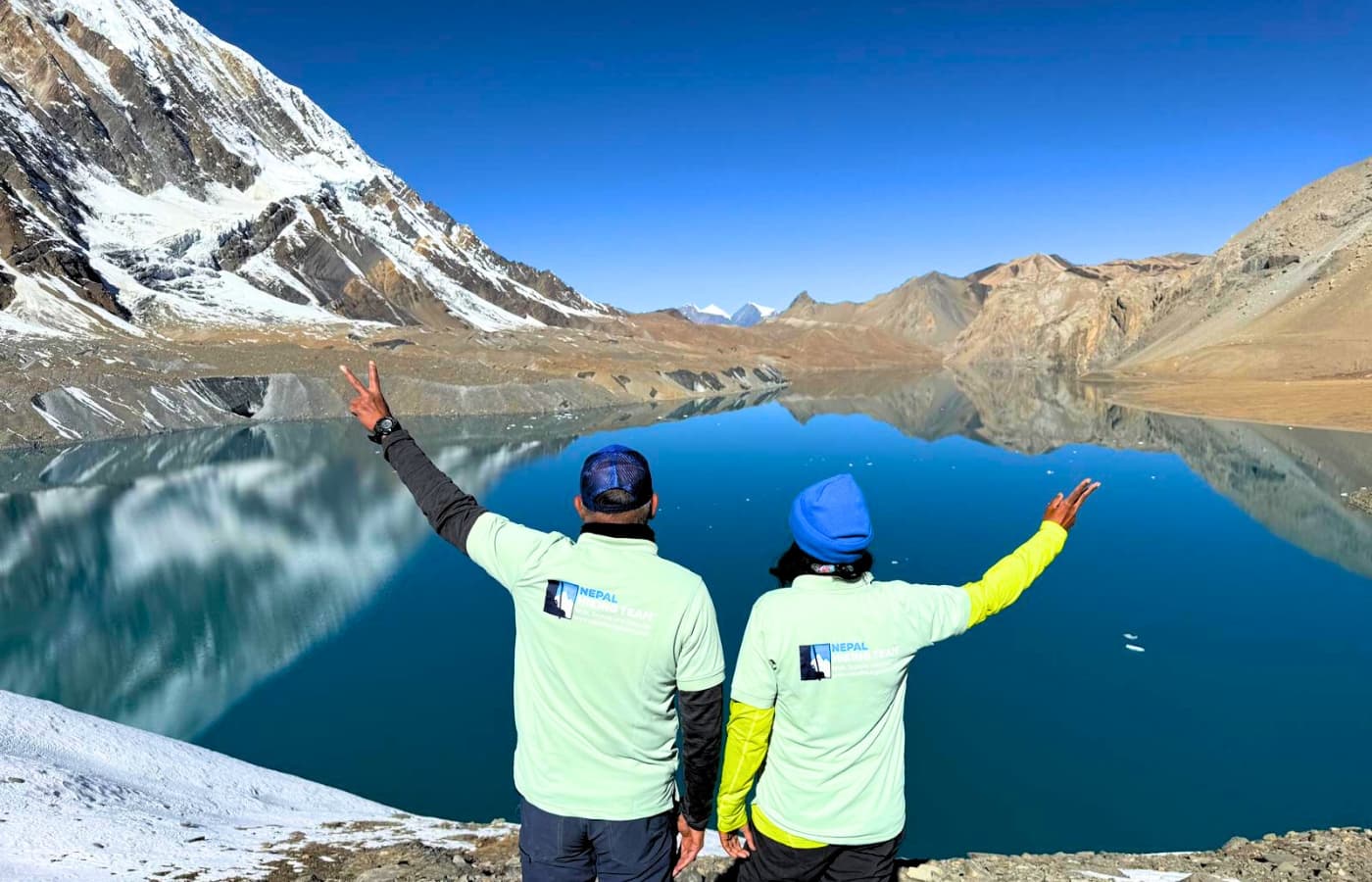
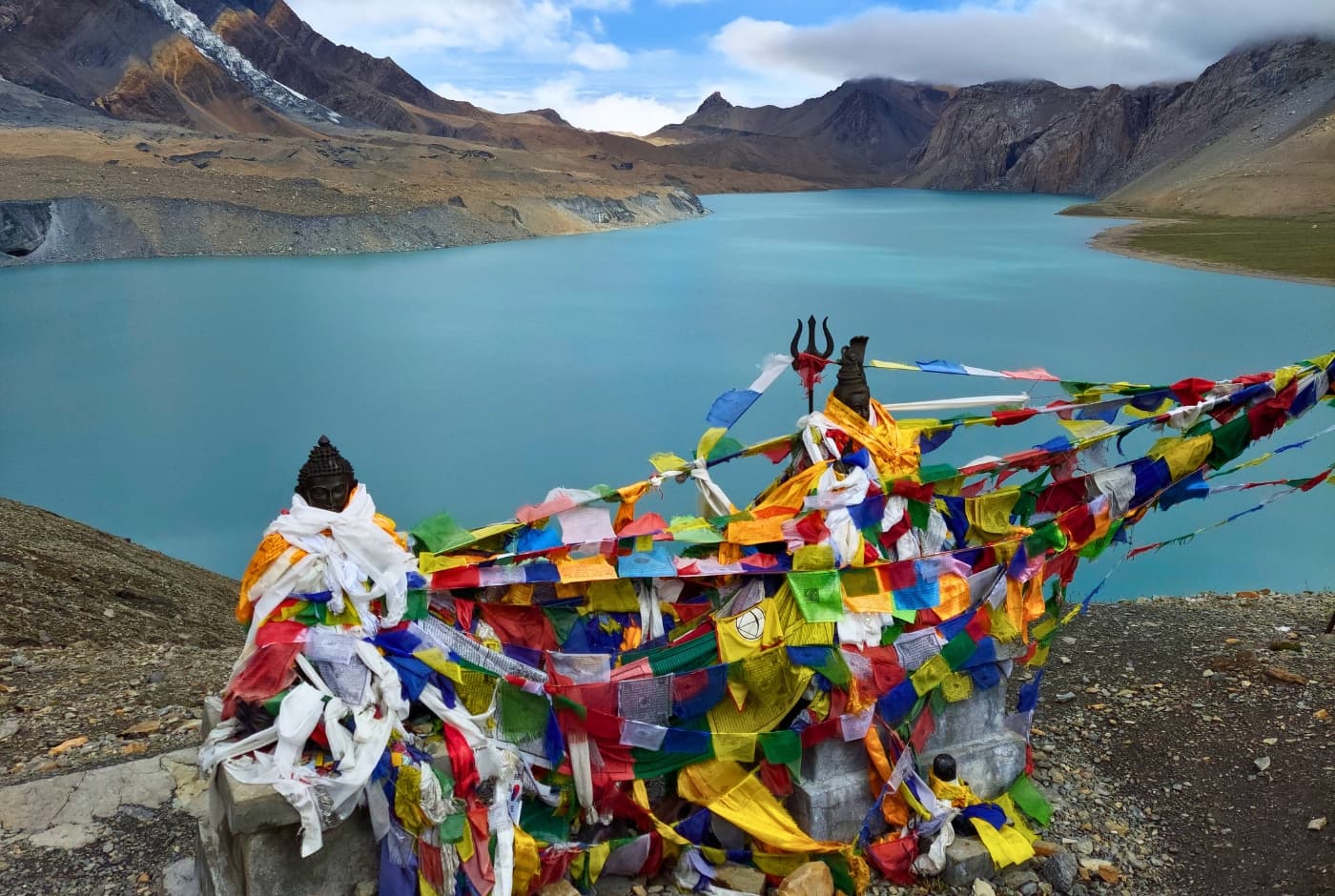
The Annapurna Circuit Trek with Tilicho Lake follows the full circuit with an additional diversion from Manang to Tilicho Lake, a section not included in standard itineraries. This extension involves narrower trails, fewer lodges, and higher altitude exposure compared to the main route.
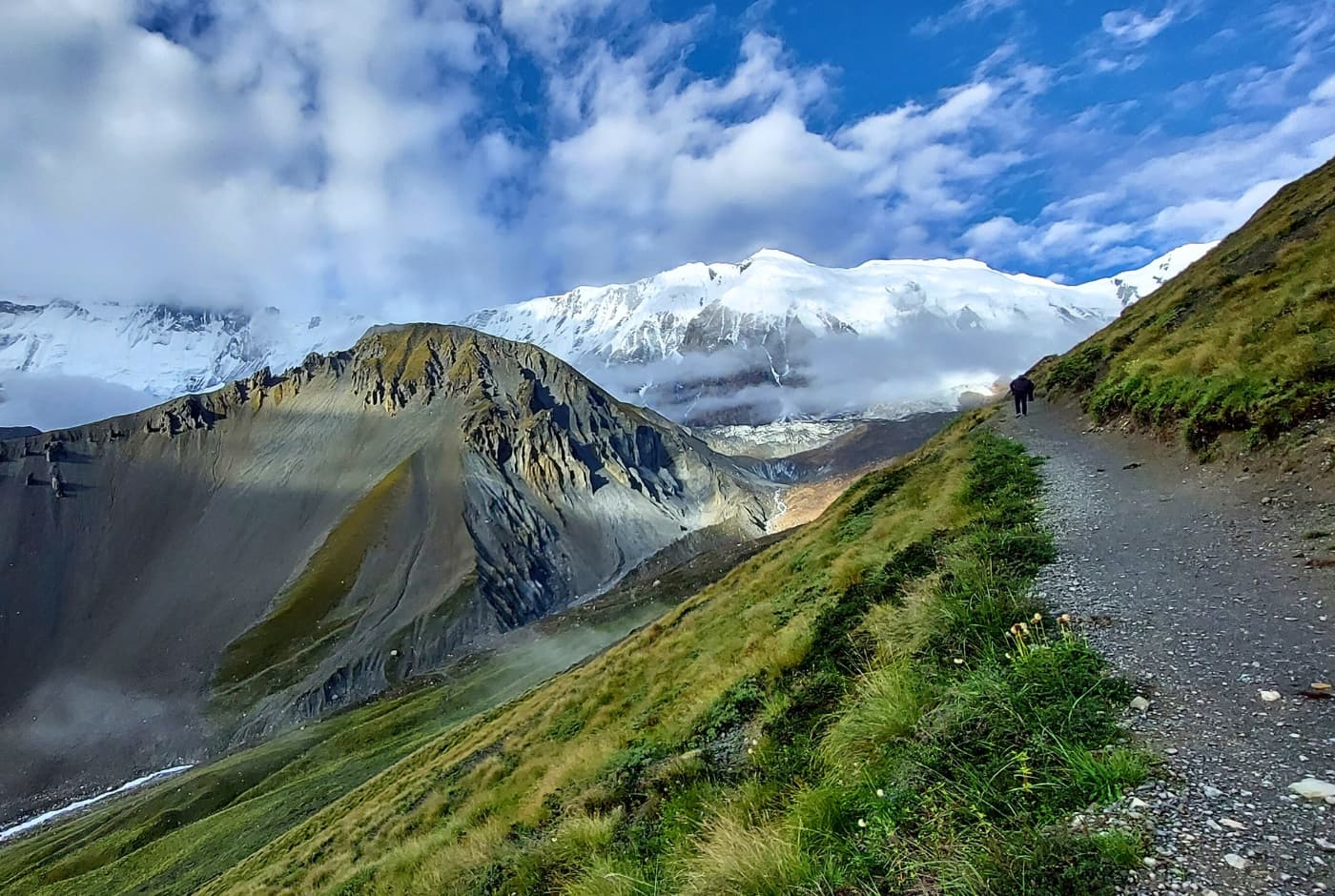
The trek progresses through distinct terrain zones, starting from lower river valleys and moving into alpine and high-altitude desert landscapes beyond Manang and Thorong La. Conditions become more exposed as elevation increases, particularly on the approach to Tilicho Base Camp and during the pass crossing.
Culturally, the route shifts from Gurung and Magar villages in the lower sections to Tibetan-influenced settlements in Manang and Mustang. This change is reflected in architecture, lifestyle, and local practices along the trail.
The Tilicho extension adds distance, altitude, and two additional high-altitude nights, making this a more demanding version of the Annapurna Circuit. It is suitable for trekkers comfortable with long days and sustained altitude above 4,000 m.
The trek starts from Dharapani and follows the Marsyangdi River Valley through Tal, Chame, Pisang, and Nagwal gradually gaining elevation to Manang at 3,519 m. A rest day in Manang is included for acclimatisation before entering higher altitude sections.
From Manang, the route diverts toward Siri Kharka and Tilicho Base Camp. This section is less developed, with narrower trails and fewer accommodation options. After visiting Tilicho Lake, the route returns to the main trail and continues toward Yak Kharka and Thorong Phedi.
Thorong La Pass is crossed early in the morning to avoid strong winds. After the pass, the trail descends to Muktinath and continues through Marpha and the Kali Gandaki Valley before ending in Pokhara.
Choosing the right package depends on your available time, preferred pace, and how much altitude exposure you are comfortable with. Here are the other Annapurna Circuit options we offer:
The listed price is the per-person cost for two travellers, based on Nepal Hiking Team's standard package rates. Costs will be slightly higher for a solo traveller and lower for larger groups.
Nepal Hiking Team has been running Annapurna Circuit treks for nearly three decades, including the Tilicho extension, which requires specific route knowledge given the remoteness of the trail between Manang and the lake. Our guides are trained to recognise altitude symptoms early and adjust the day's plan when conditions or a trekker's condition call for it.
We manage all permit logistics, select lodges with acclimatisation schedules in mind, and coordinate emergency support when needed. Itineraries are flexible and can be adjusted to match your pace. The goal is a well-run trek, not just a completed one.
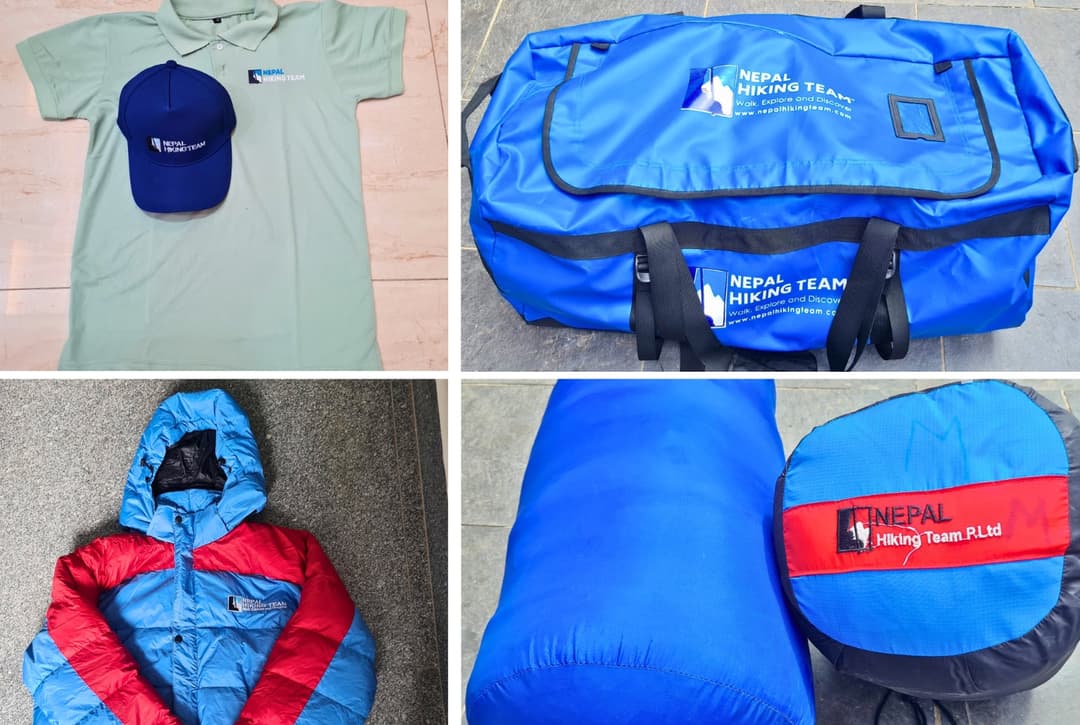
A Nepal Hiking Team (NHT) representative meets you at Tribhuvan International Airport and transfers you to your hotel. After check-in, the pre-trek briefing covers route conditions, weather forecasts, and gear distribution, which includes a sleeping bag, a duffel bag, jacket, NHT t-shirt, and cap.
Submit copies of your passport and travel insurance for official records, and settle any remaining balance. The remainder of the day is free to rest and acclimatise to Kathmandu.
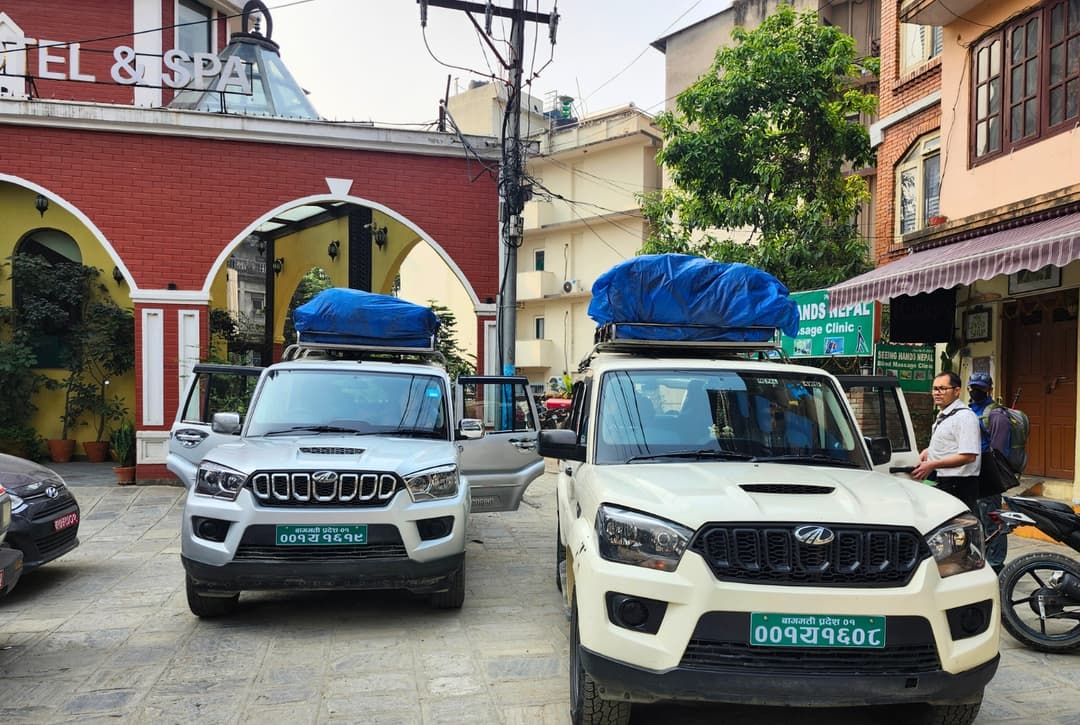
Accommodation will be arranged at Hotel Woodapple and Spa or a similar category hotel, depending on availability.
A private vehicle departs Kathmandu toward Besisahar, where the road transitions to jeep track along the Marsyangdi River. The drive passes through terraced farmland, river gorges, and roadside hill settlements before reaching Dharapani, the official trailhead of the Annapurna Circuit Trek with Tilicho Lake.
Accommodation will be arranged at Phulbari Hotel or a similar category lodge, depending on availability.
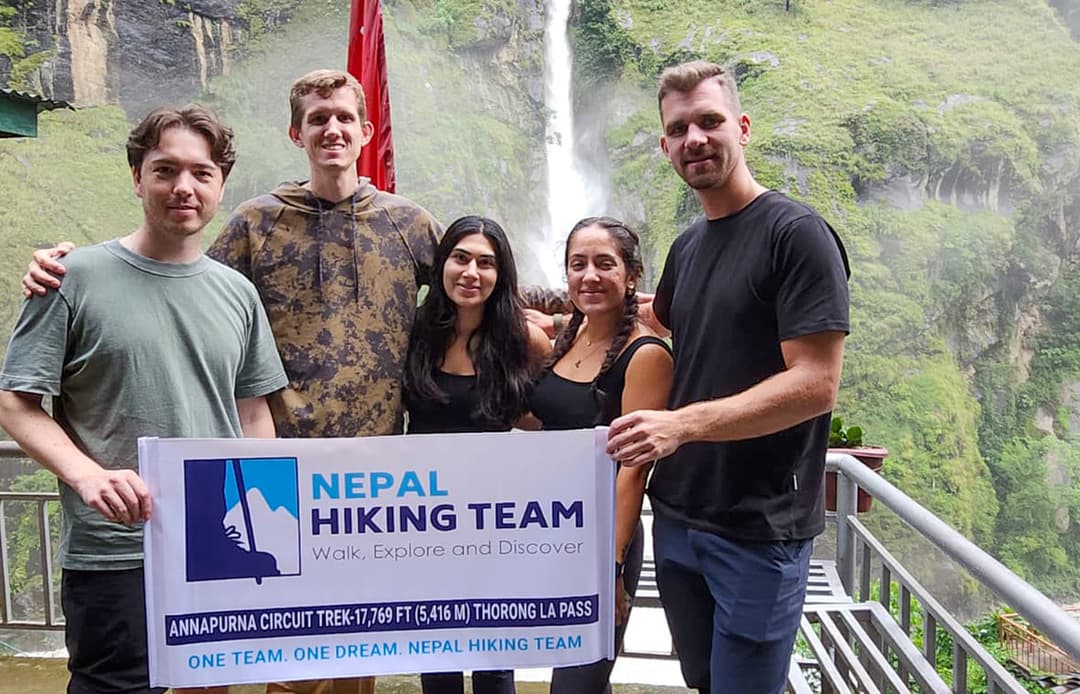
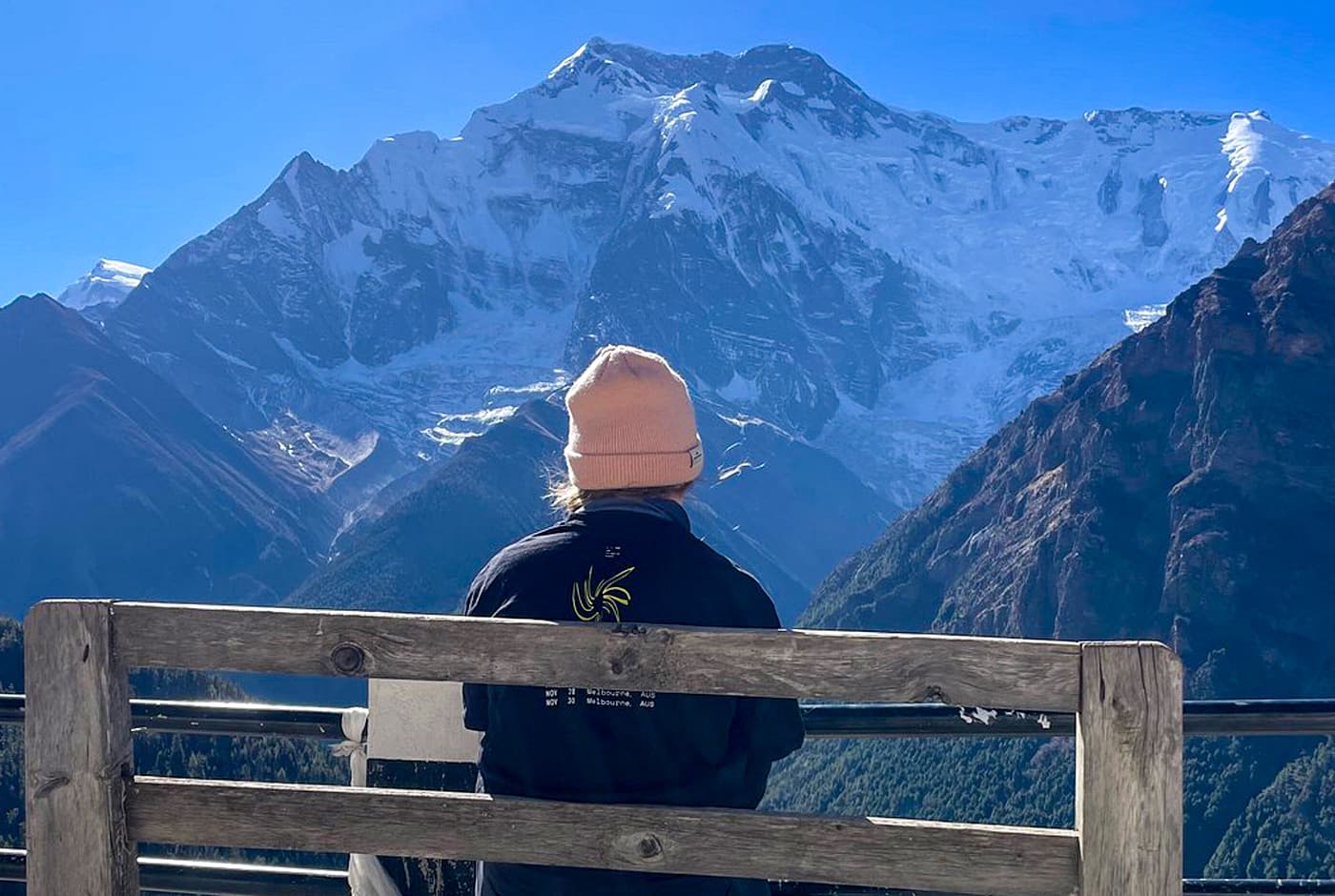
This is the day the Himalayas announce themselves. The trail climbs through oak, pine, and fir forest past Bagarchhap and Danaque, before the ridge near Timang opens to the first full panorama of Manaslu (8,163 m), Annapurna II (7,937 m), and Lamjung Himal (6,983 m).
Forest gives way to open alpine terrain as the route descends into Chame, the administrative centre of Manang District, framed directly by Annapurna II and Lamjung Himal.
Accommodation will be arranged at Four Seasons Hotel or a similar category hotel, depending on availability.
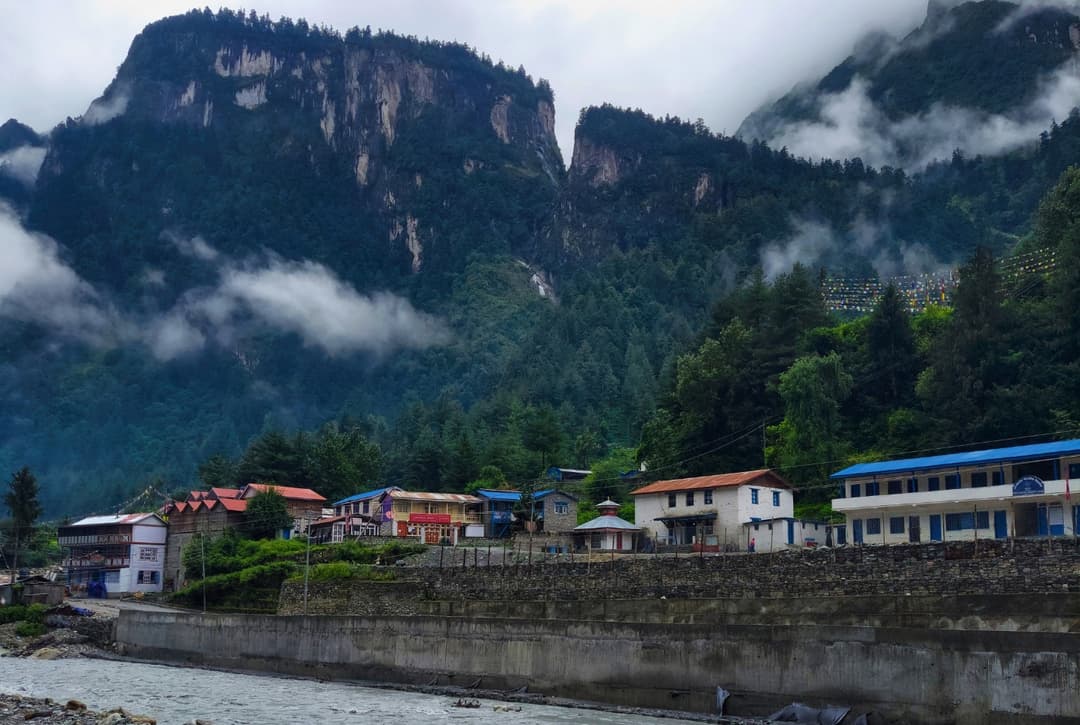
The valley narrows through dense pine forest before opening dramatically at Bhratang, known for extensive apple orchards and freshly made apple products. Beyond a long suspension bridge, the glacial valley widens, and Annapurna II and Pisang Peak come into close view.
Upper Pisang, perched on the hillside above the river, offers wider sightlines and more gradual acclimatisation than the lower route. The historic Pisang Monastery sits above the village, overlooking the entire valley floor.
Accommodation will be arranged at Mandala Hotel or a similar category lodge, depending on availability.
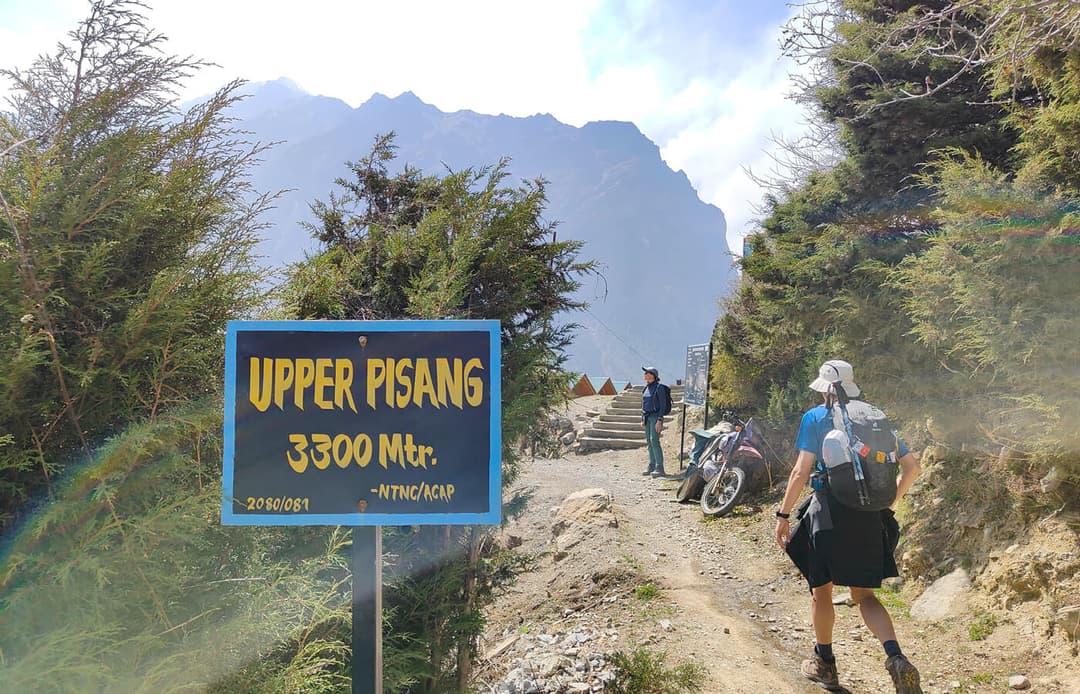
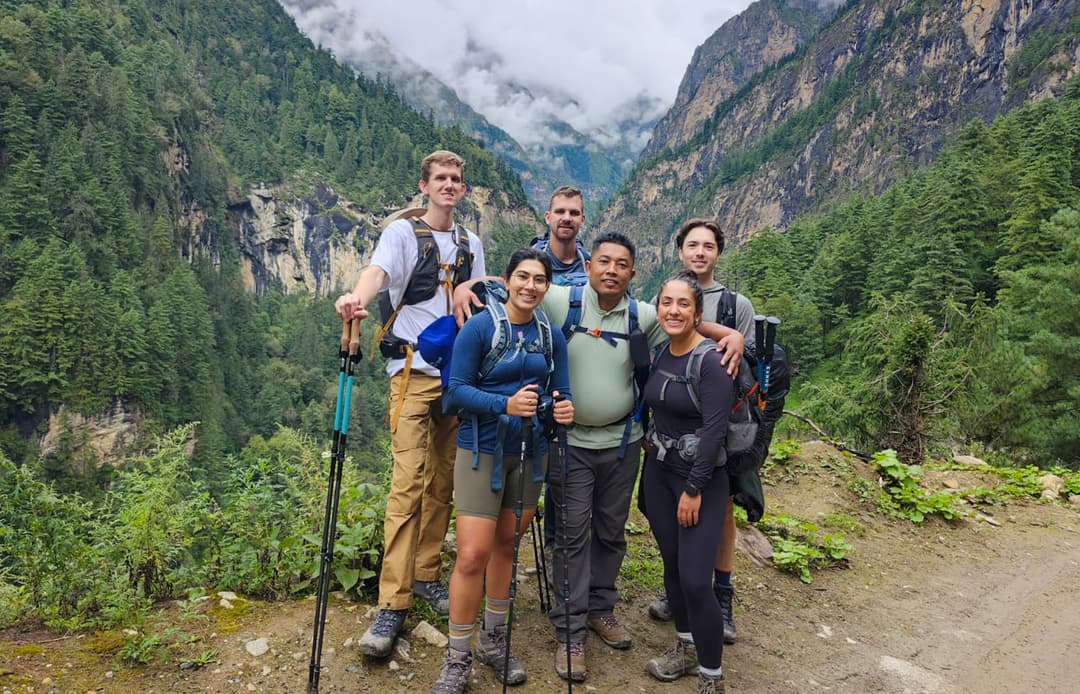
Your trek begins from Pisang, following the higher trail toward Manang. The path climbs gradually through Deurali Danda, with open views of Annapurna II and Annapurna III. As you continue, the trail leads to Gyaru, a traditional village with stone houses and prayer flags. The altitude starts to increase, so you walk at a steady pace and drink enough water.
After Gyaru, the trail continues past Miring Tso and climbs toward Ngawal at 3,660 meters. Along the way, you pass yak grazing areas and open fields. Ngawal is part of the Nyeshyang region and one of the Manang communities.
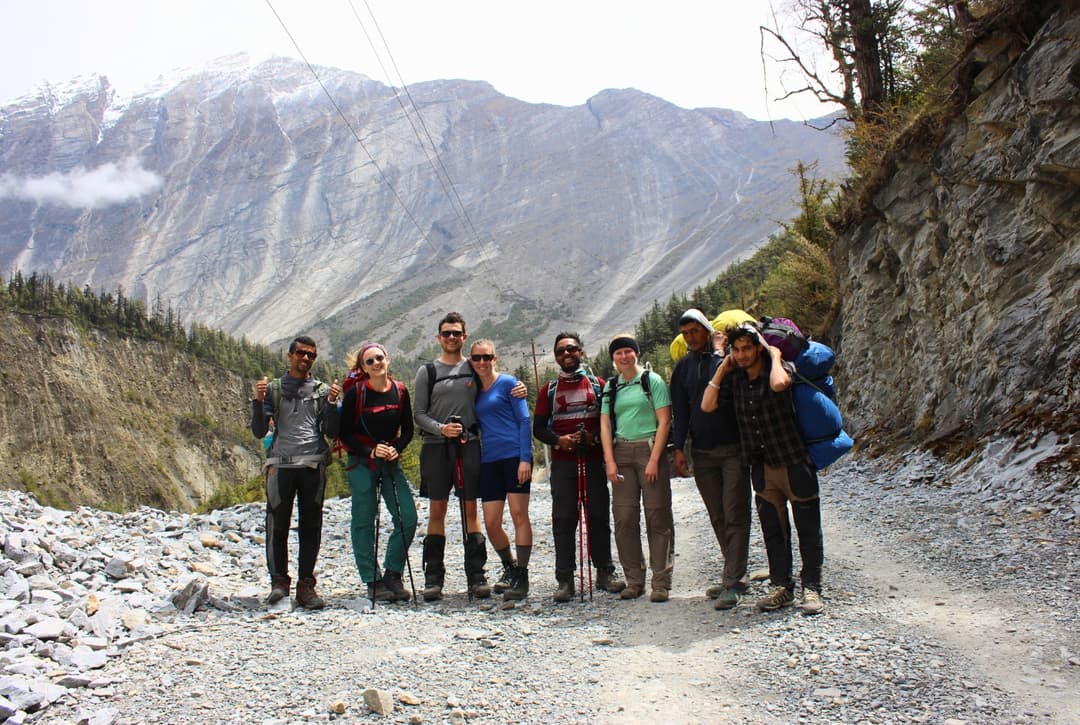
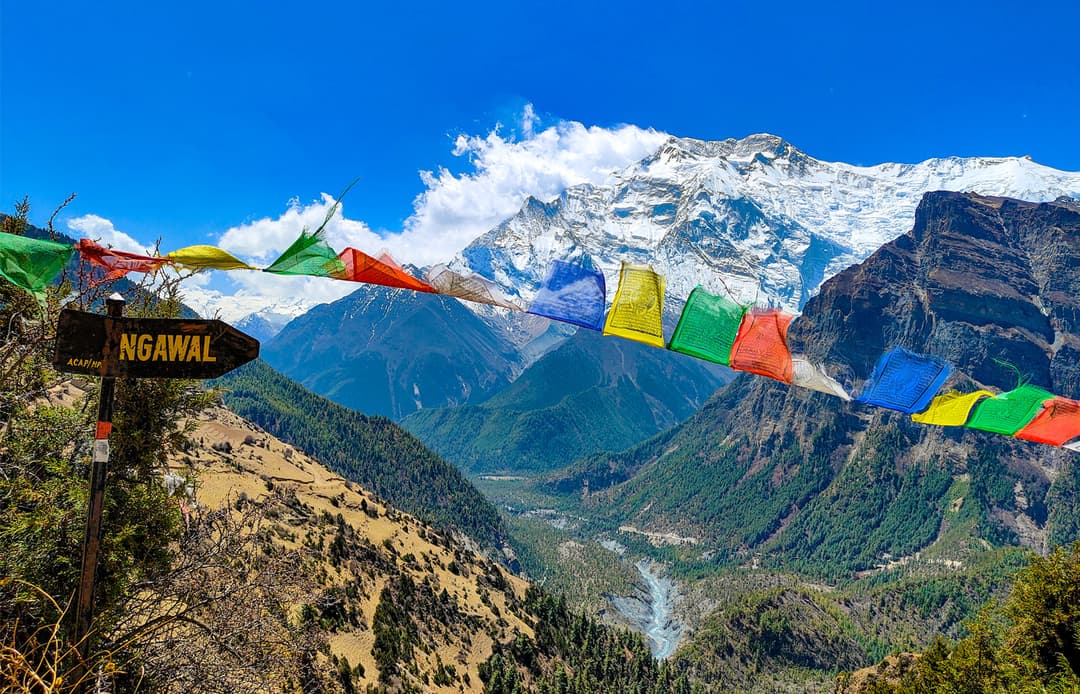
Leaving Ngawal, the trail descends gradually toward the main Manang valley, passing small settlements like Julu and Humde. Along the way, you walk past mani walls and chortens, with prayer stones marking the route. The landscape becomes more open and dry as you approach Braga, home to the historic Braga Monastery, which is over 900 years old. Nearby, you can also visit Bodzo Gompa if time allows.
From Braga, it is a short walk to Manang at 3,540 meters, the main village of the region. The trail passes through open terrain with views of Annapurna, Gangapurna, and Tilicho Peak.
After reaching Manang, those interested can take a short hike toward Gangapurna Lake for acclimatization before resting in the village.
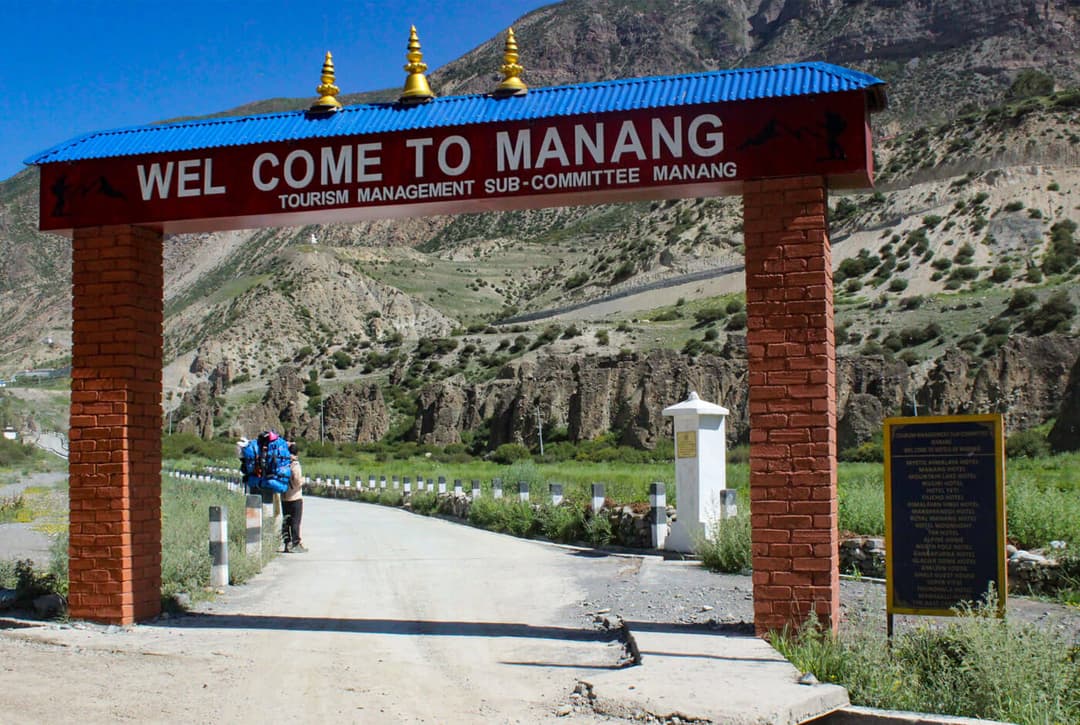
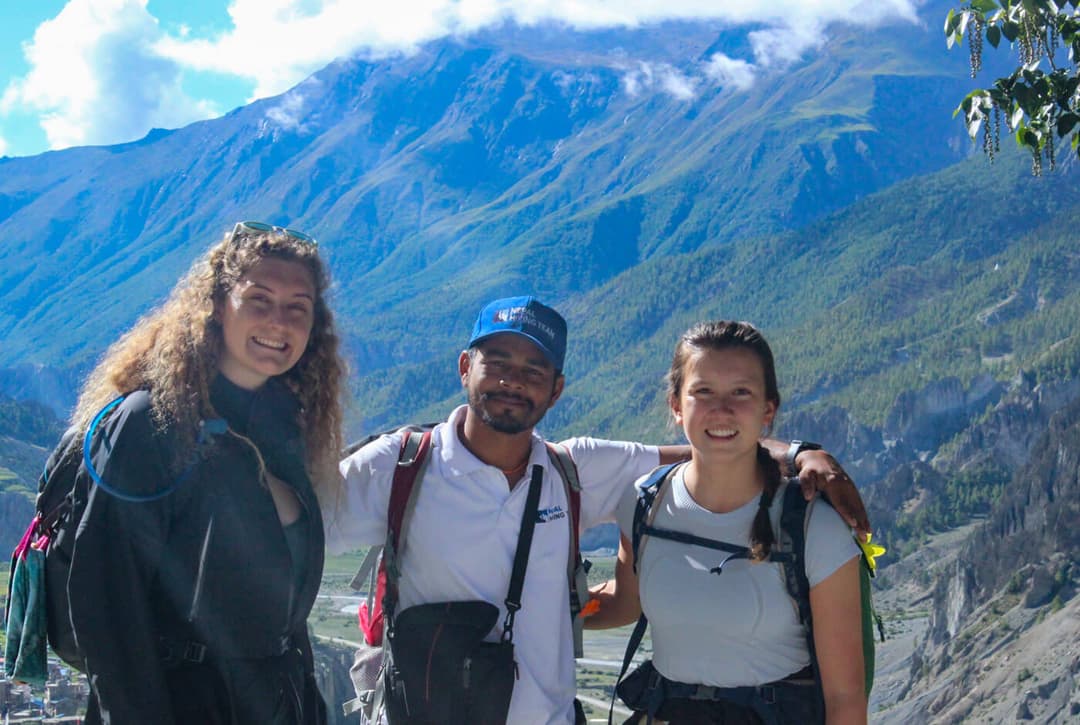
A rest day here is not optional in practice. Short hikes to Gangapurna Lake, Ice Lake, Milarepa Cave, or Chongkor Viewpoint follow the climb-high, sleep-low principle and prepare the body for the altitude gain ahead.
The Himalayan Rescue Association runs a daily altitude awareness programme covering AMS symptoms, prevention, and emergency response. Attendance is strongly recommended before proceeding toward Thorong La Pass.
Accommodation will be arranged at Tilicho Hotel or a similar category hotel, depending on availability.

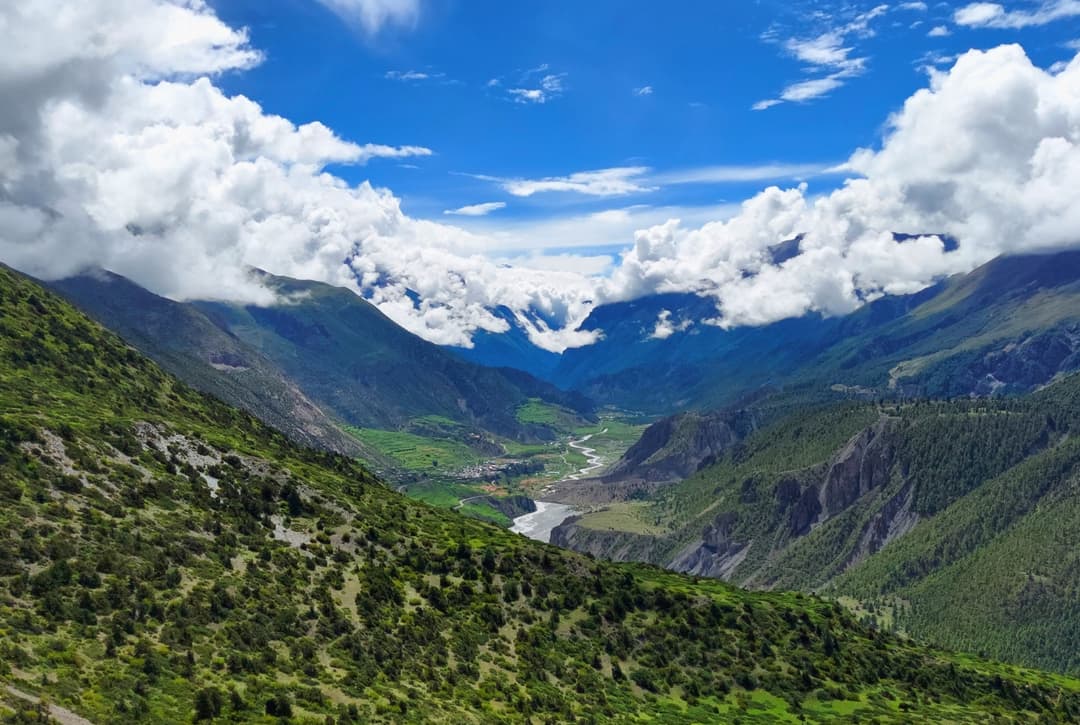
The trail leaves the main Annapurna Circuit route and climbs onto the Tilicho Lake trek side trail. Dry, open alpine slopes replace the valley terrain below, with Gangapurna, Tilicho Peak, and Annapurna III framing the skyline throughout.
Khangsar village, passed en route, retains a traditional Tibetan character largely unchanged by trekking traffic. Siri Kharka is a quiet, isolated settlement at high altitude, positioned as the last comfortable base before the Tilicho approach.
Accommodation will be arranged at Hotel Tilicho Peak or Himalayan Hotel or a similar category teahouse, depending on availability.
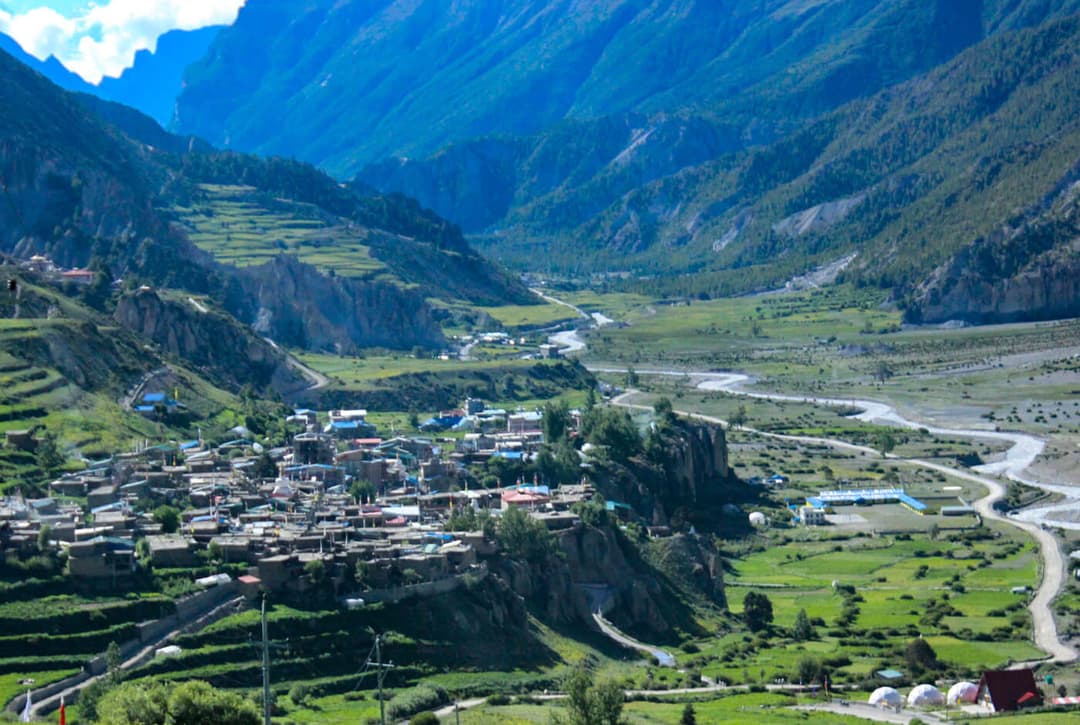
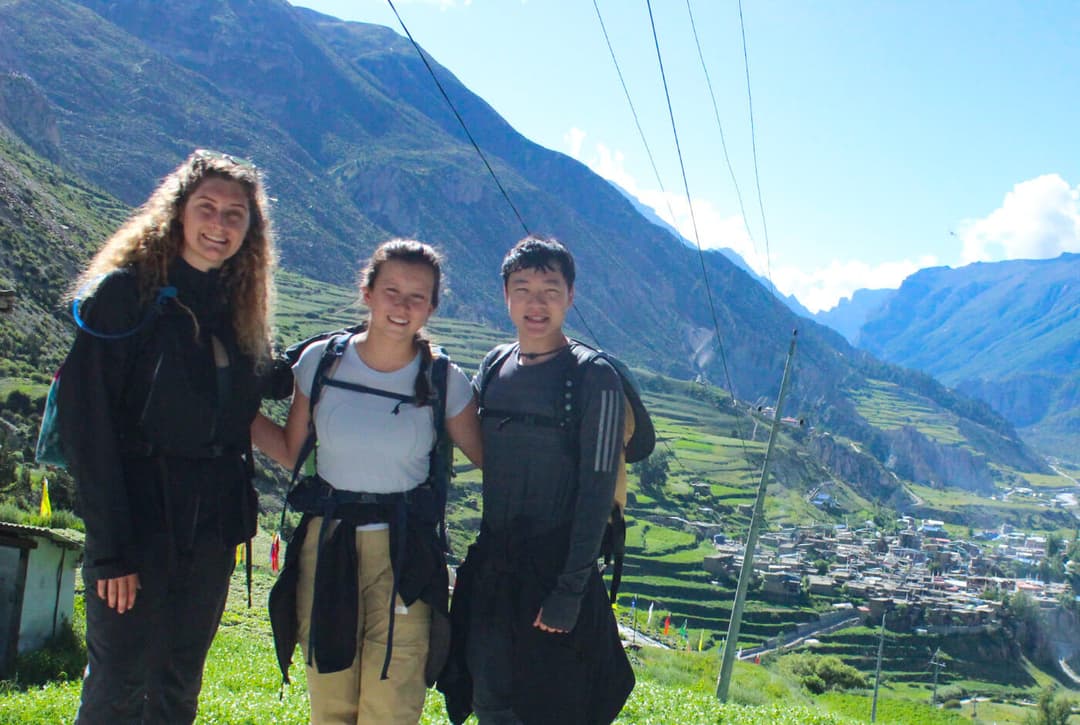
The trail to Tilicho Base Camp is among the most technically demanding sections of the entire circuit. Exposed traverses cross loose scree and landslide-prone slopes where careful footing is essential. Elevation gain of 400 to 500 m over a short distance makes this a physically concentrated day.
Vegetation disappears entirely. The landscape is raw rock, snow-covered ridgelines, and silence. Tilicho Base Camp offers basic teahouse accommodation and direct views of the surrounding peaks. Rest is the priority before the pre-dawn start the following morning.
Accommodation will be arranged at Norling Hotel or New Tilicho or a similar category teahouse, depending on availability.
Departure before sunrise, between 4 and 6 AM, is essential. Afternoon winds at this elevation make the exposed ridgeline approach dangerous after midday. This is the highest objective of the Tilicho Lake trek and one of the most remote sections of the entire Annapurna Circuit route. There are no facilities beyond base camp.
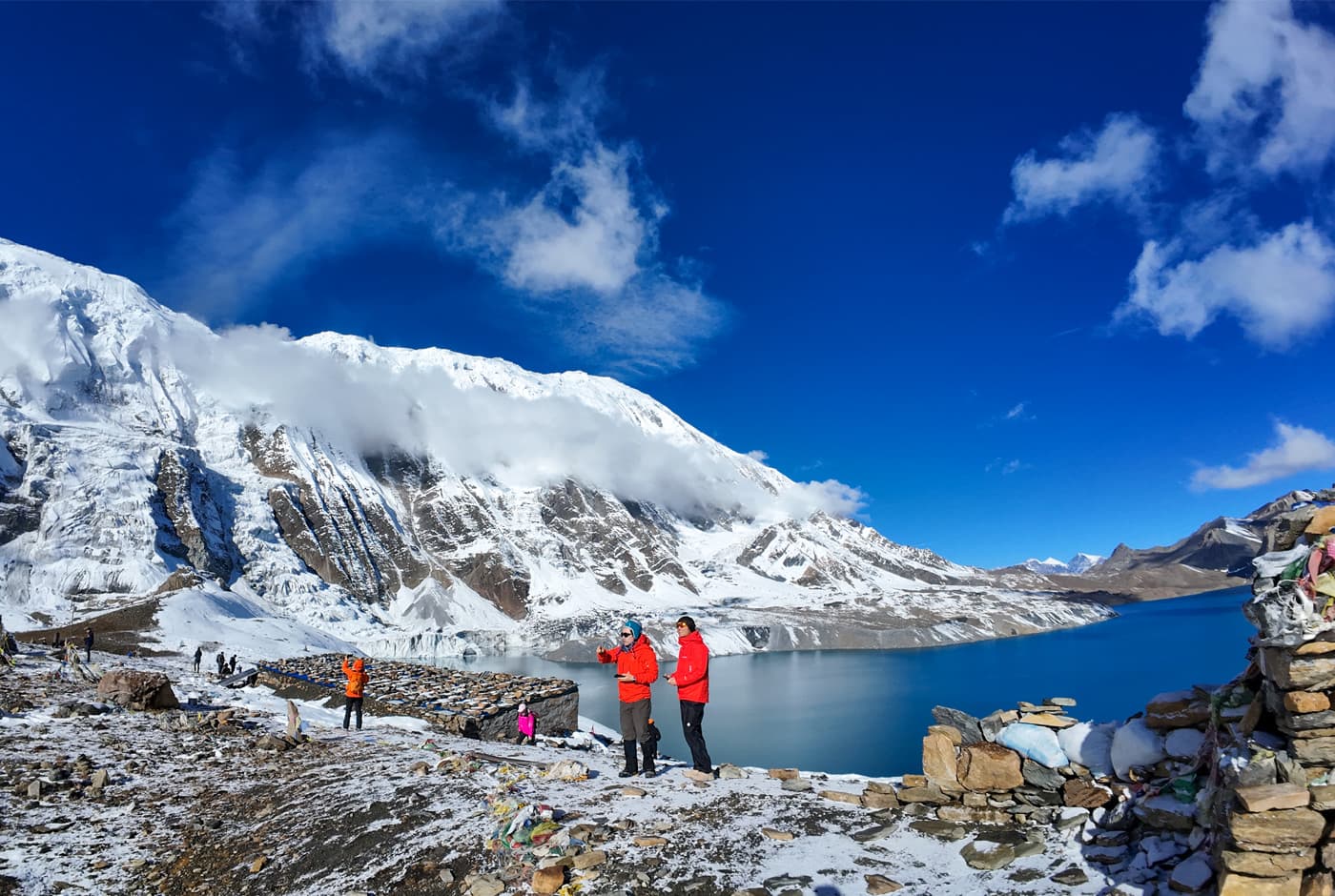
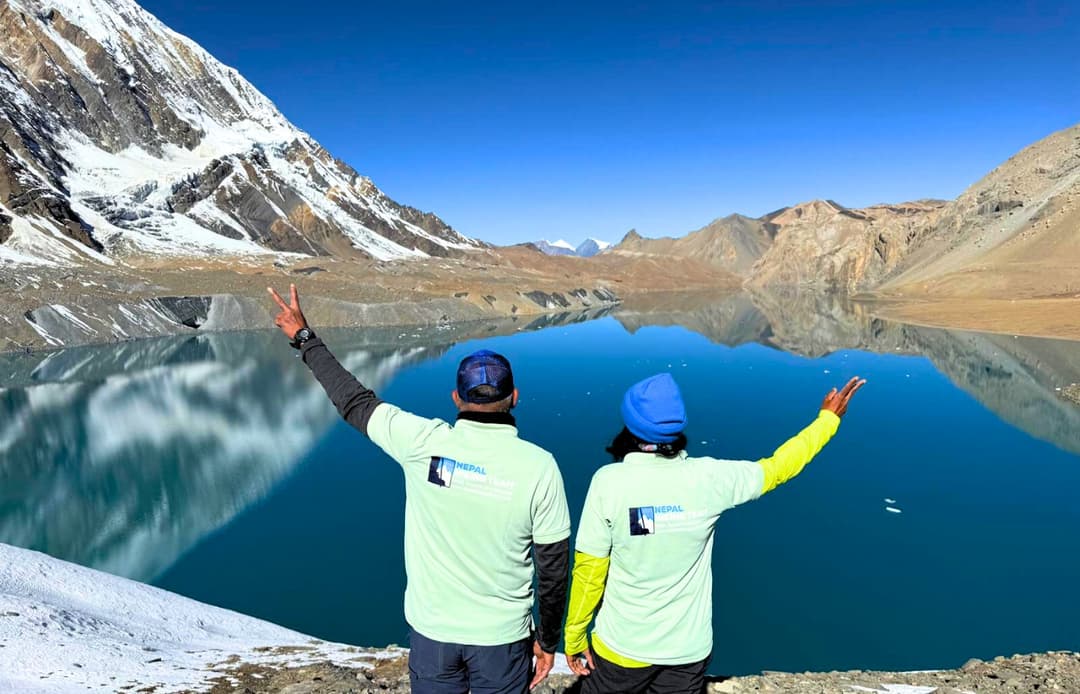
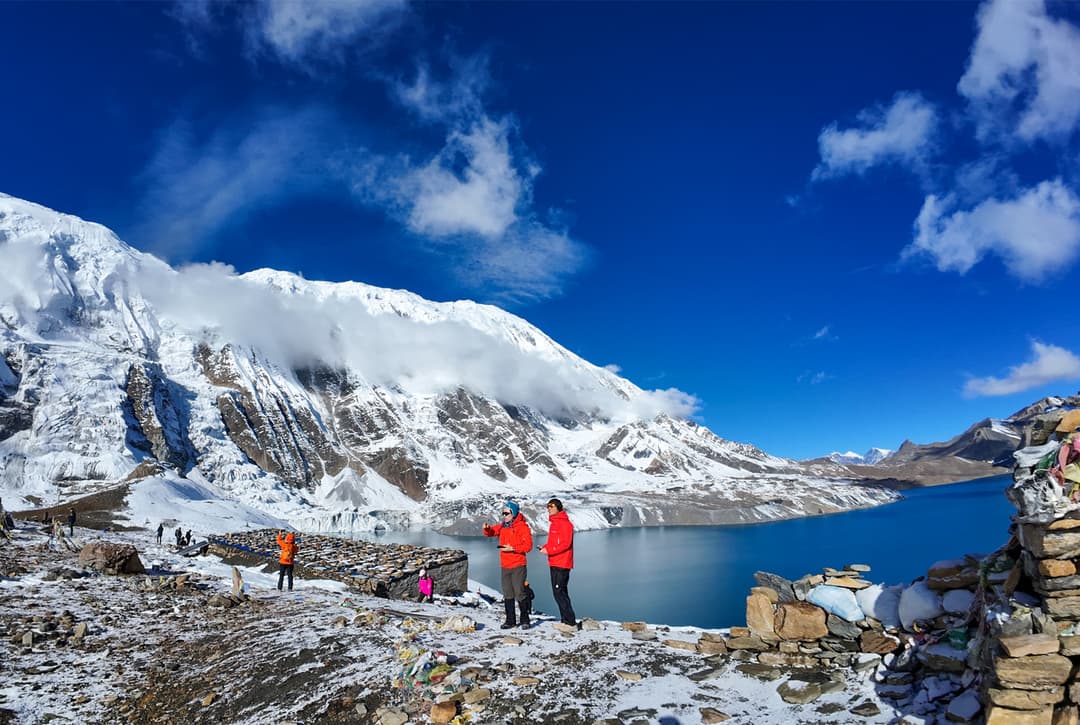
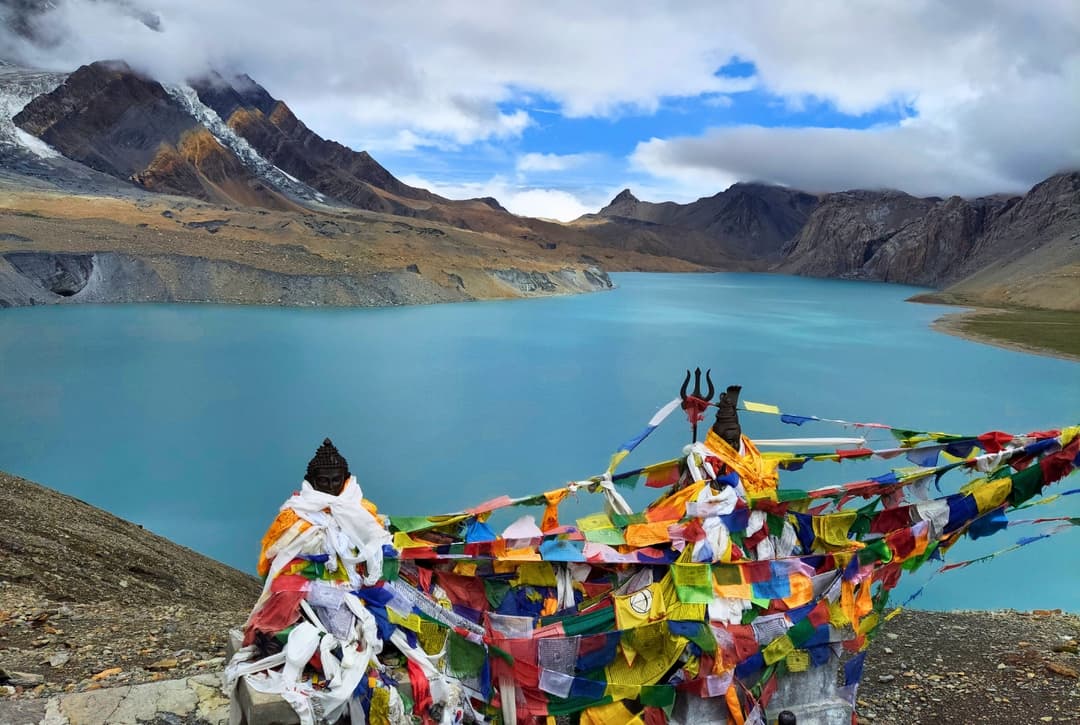
The ascent gains 500 to 600 m across glacial moraines and windswept alpine ridges. At 4,919 m, Tilicho Lake is one of the highest lakes in the world. Its surface sits in complete stillness in the early morning, surrounded by ice-capped peaks on three sides. The return descent to Siri Kharka is long and requires sustained concentration on loose terrain.
Accommodation will be arranged at Hotel Tilicho Peak or Himalayan Hotel or a similar category teahouse, depending on availability.
The route descends through Khangsar and rejoins the main Annapurna Circuit near Manang before climbing again through the settlements of Gunsang and Tengi. Yak pastures replace lower-altitude farmland, and the landscape becomes progressively more open and wind-exposed.
Yak Kharka sits at 4,050 m in broad, treeless terrain with unobstructed views of Annapurna III and Gangapurna. It is a small, functional stop with one clear purpose: positioning for Thorong La.
Accommodation will be arranged at Hotel Thorong Peak or a similar category lodge, depending on availability.
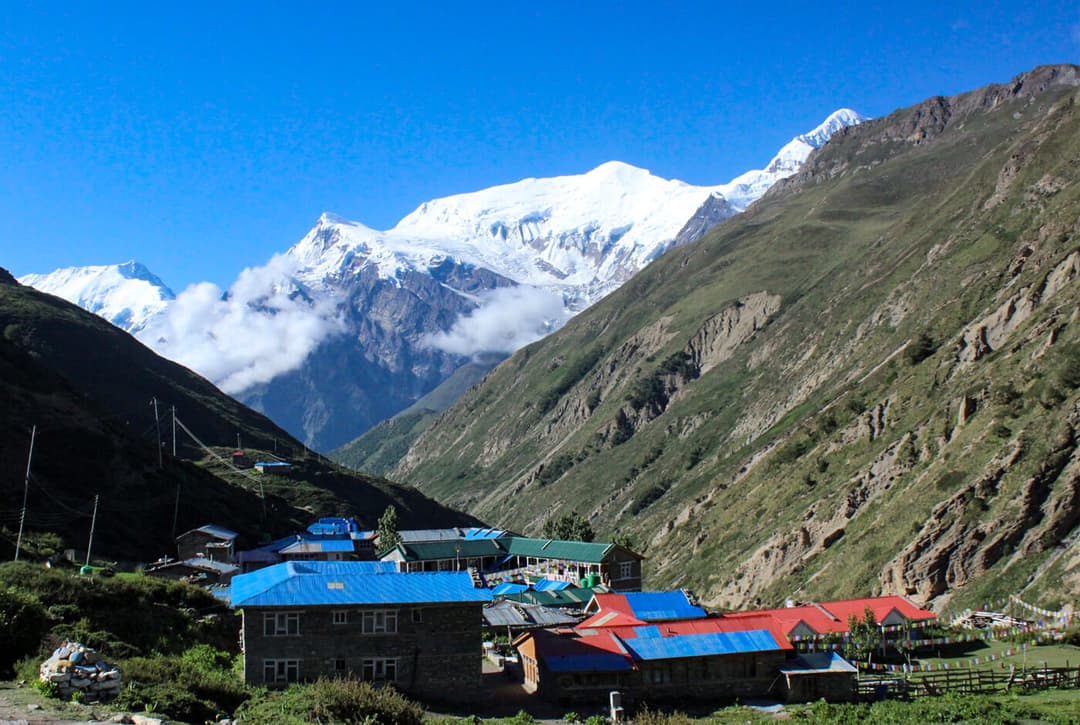
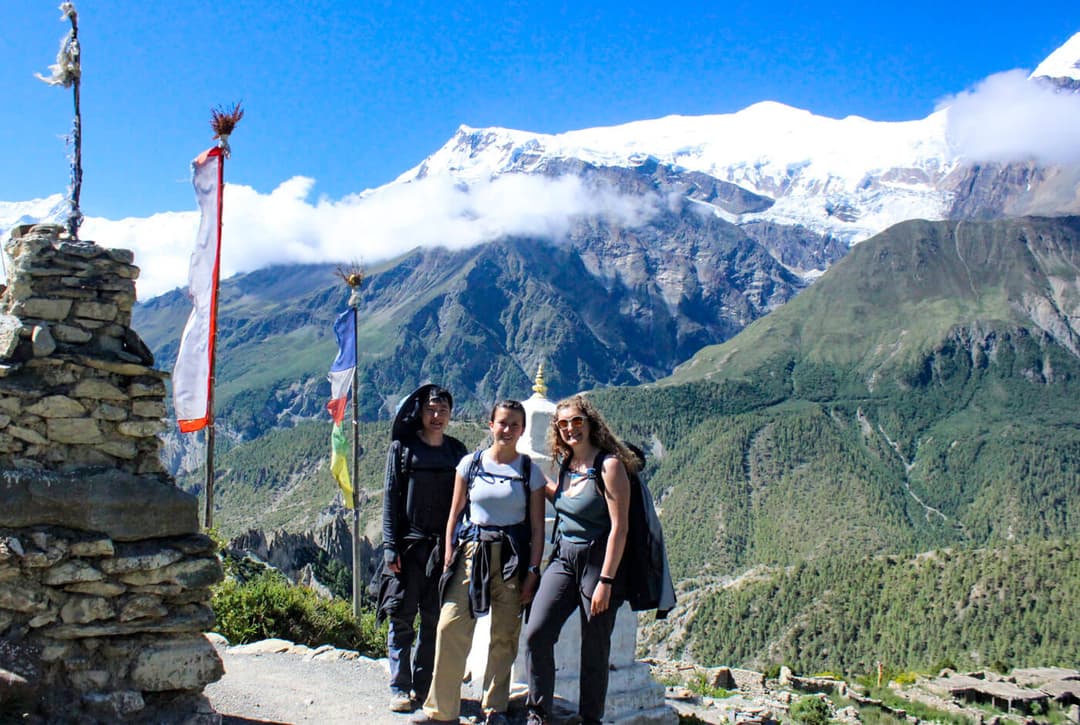
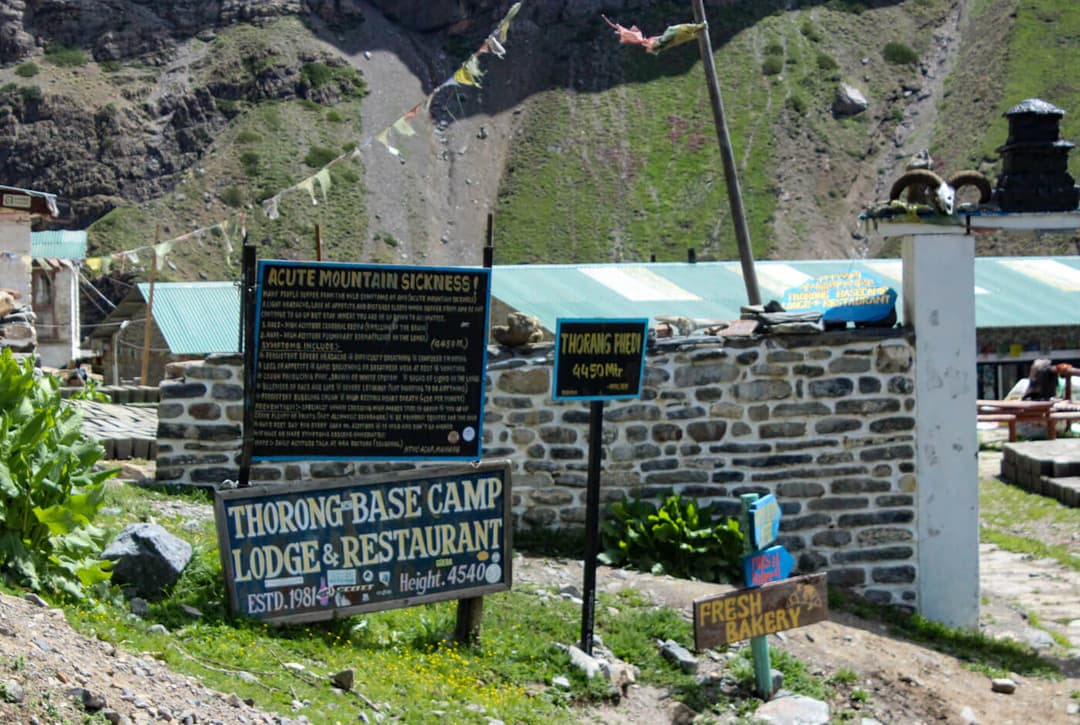
A short day by design. The trail crosses high alpine terrain, passes through Ledar, and descends to Thorong Phedi via a suspension bridge over Jarsang Khola. Energy conservation ahead of the pass crossing is the main objective.
Thorong Phedi sits directly below Thorong La Pass. Those in strong condition may continue to High Camp at 4,900 m in an additional 1 to 1.5 hours, subject to weather and guide assessment.
Accommodation will be arranged at Phedi Hotel or a similar category teahouse, depending on availability.
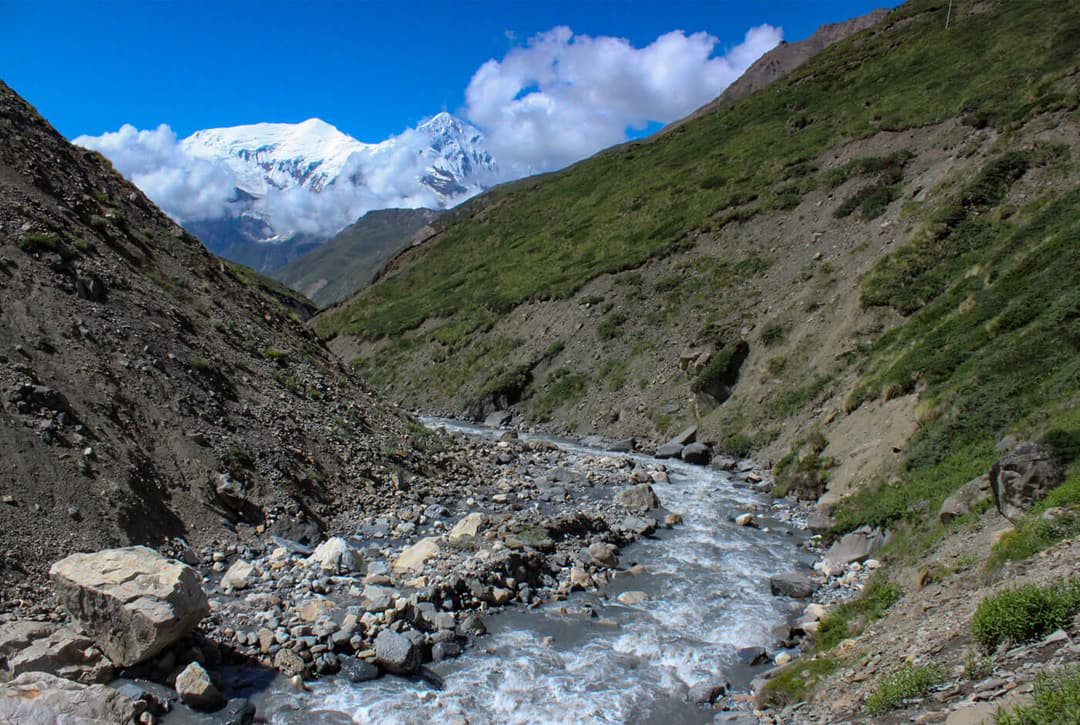
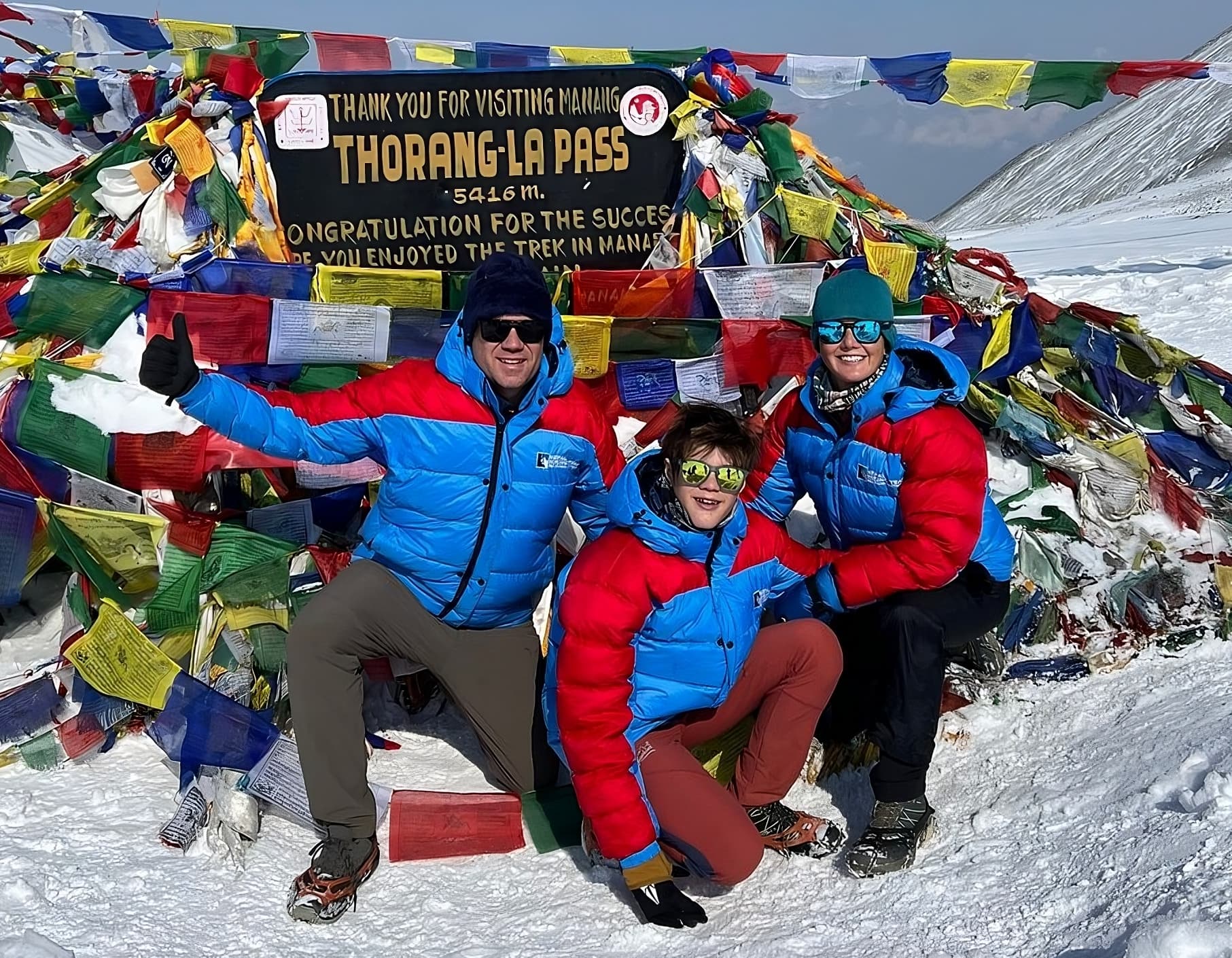
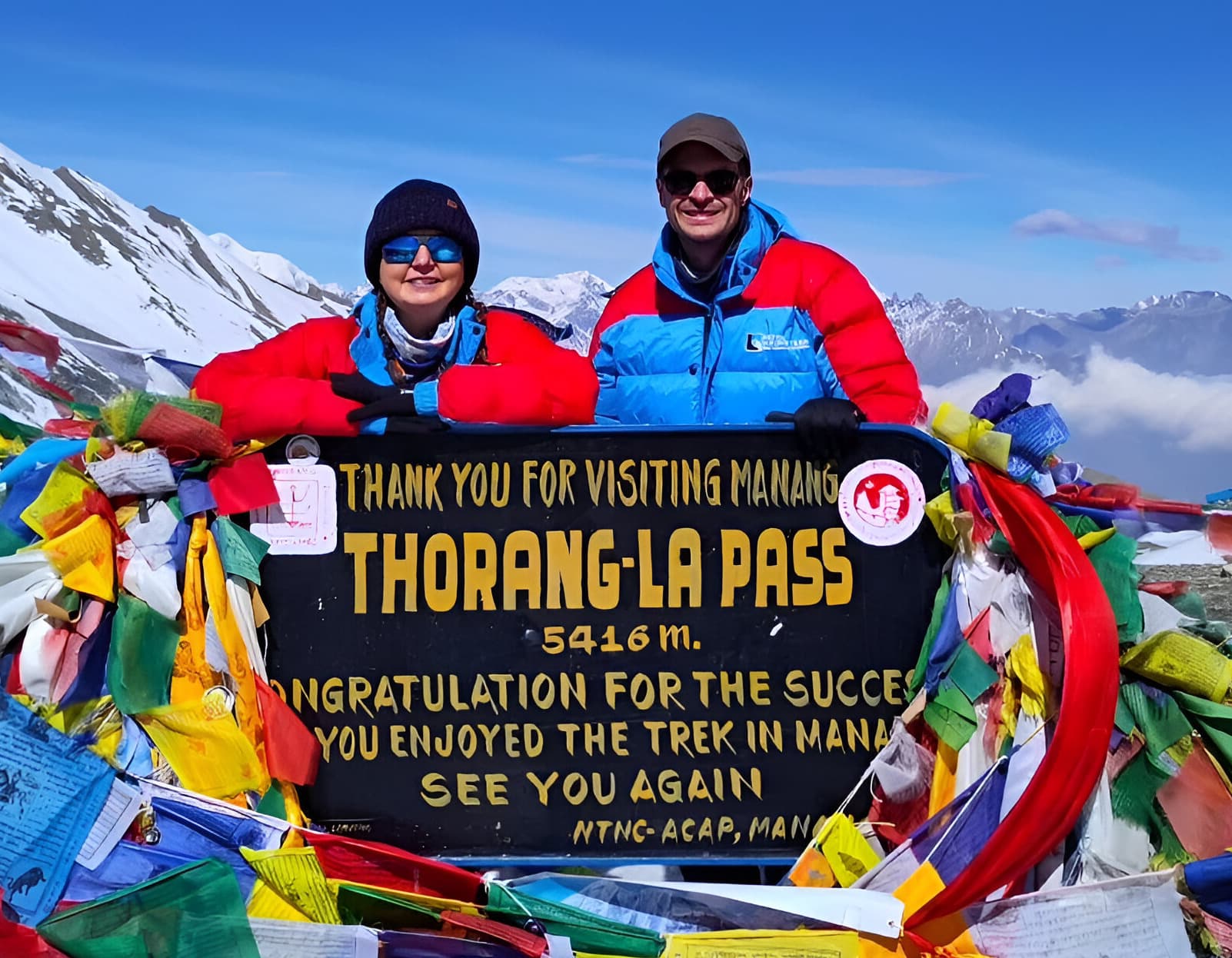
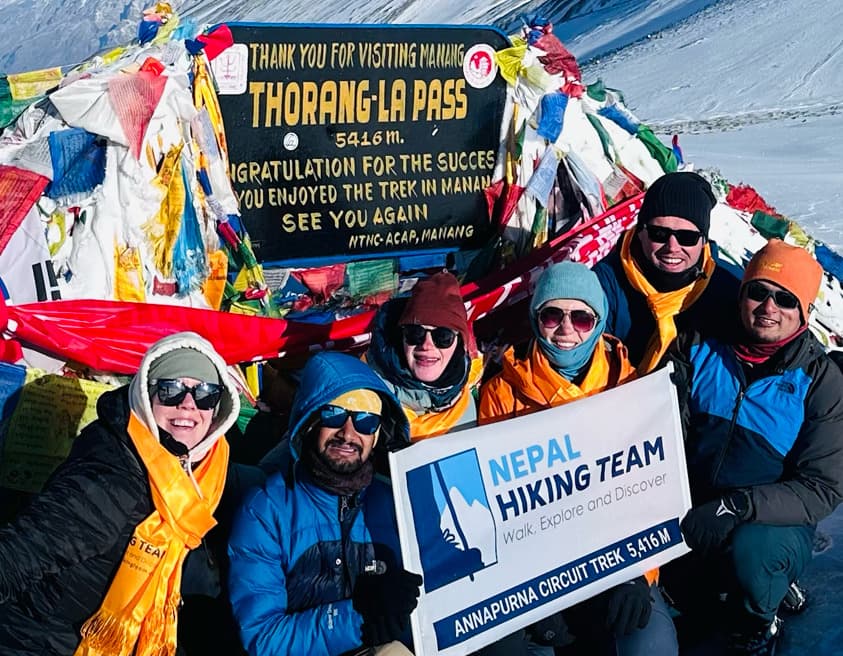
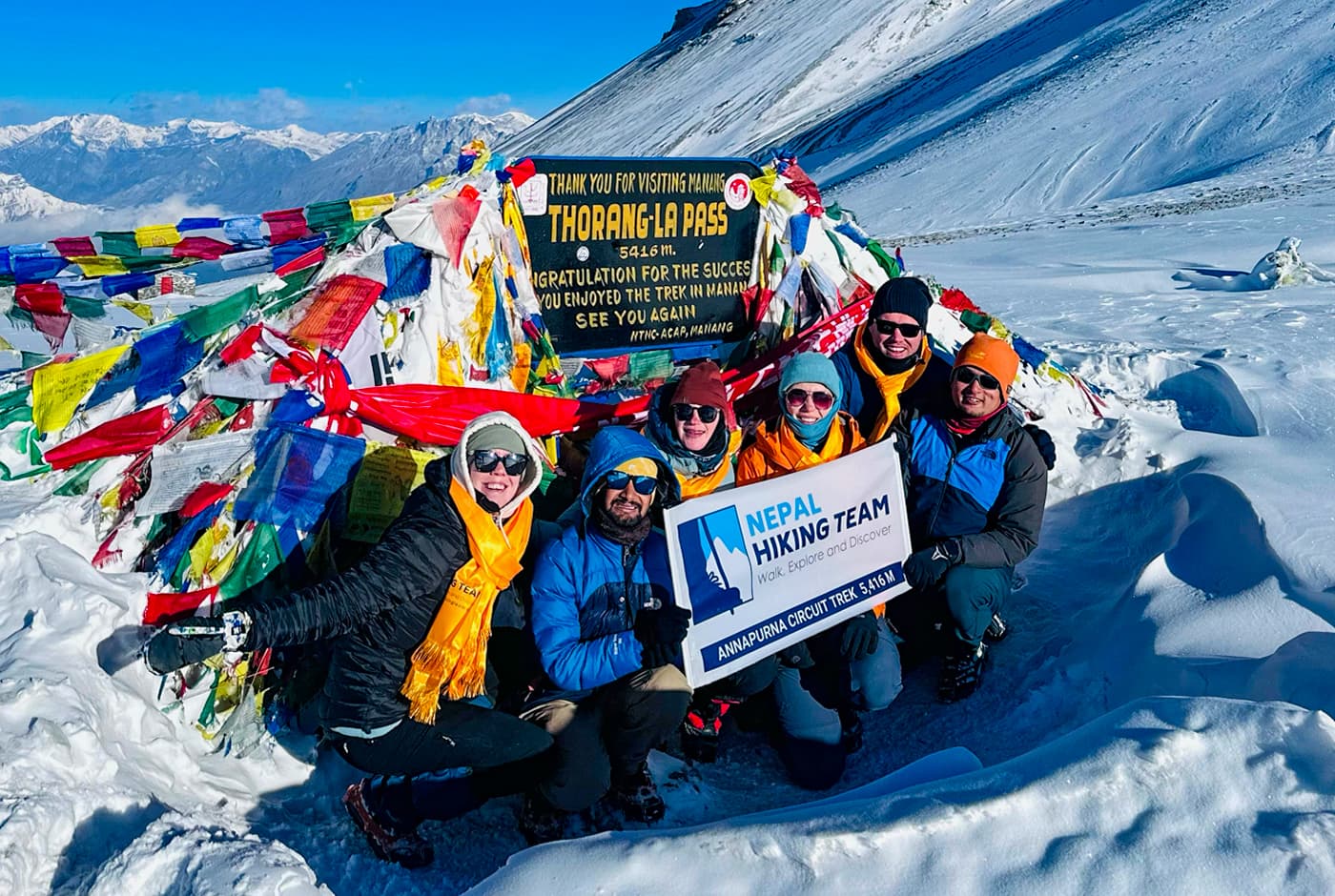
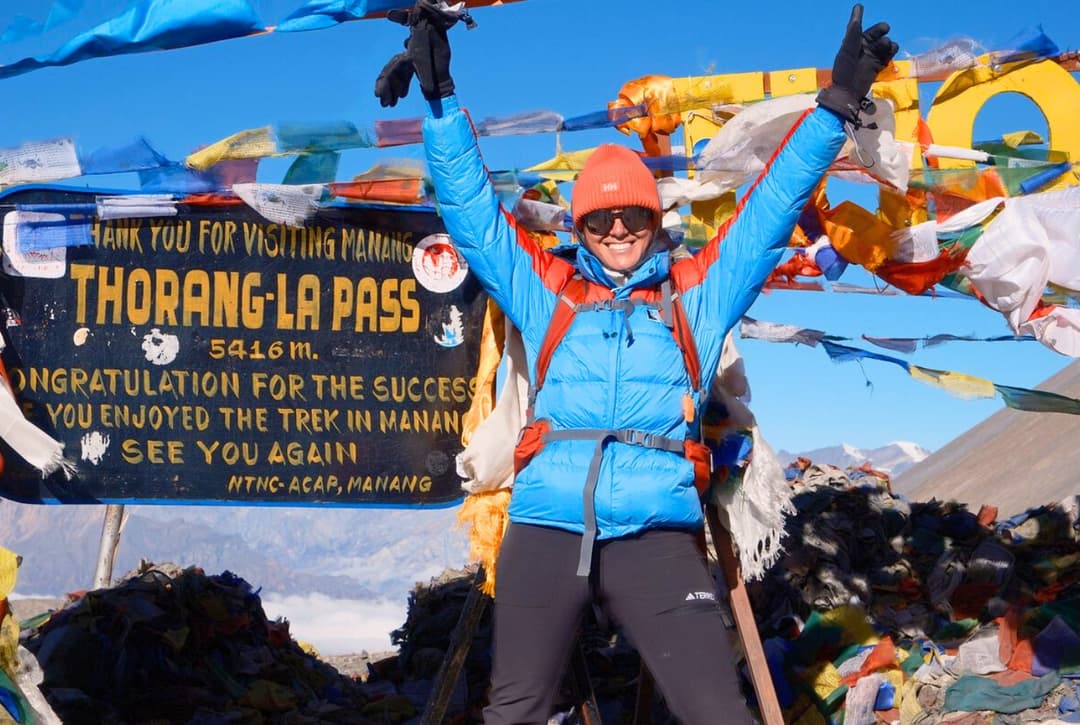
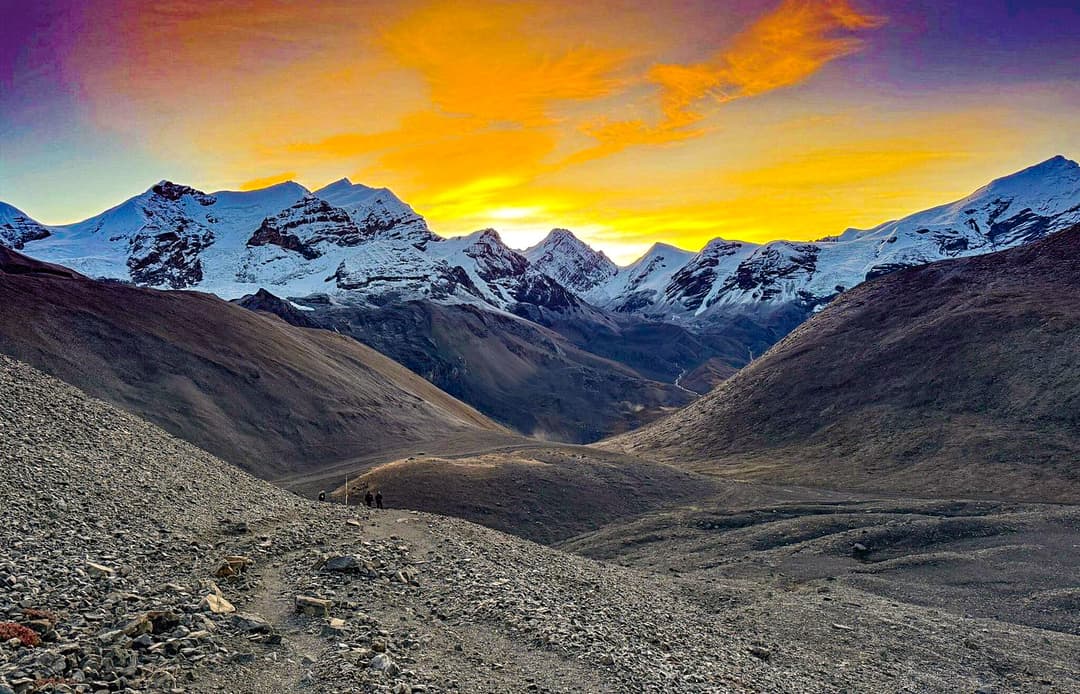
Departure at 4:30 AM is standard. The ascent follows rocky switchbacks through thinning air, requiring a slow, steady pace from the first step. At 5,416 m, Thorong La Pass is the highest point of the Annapurna Circuit Trek. Prayer flags line the summit ridge and views extend across the Annapurna range and Dhaulagiri.
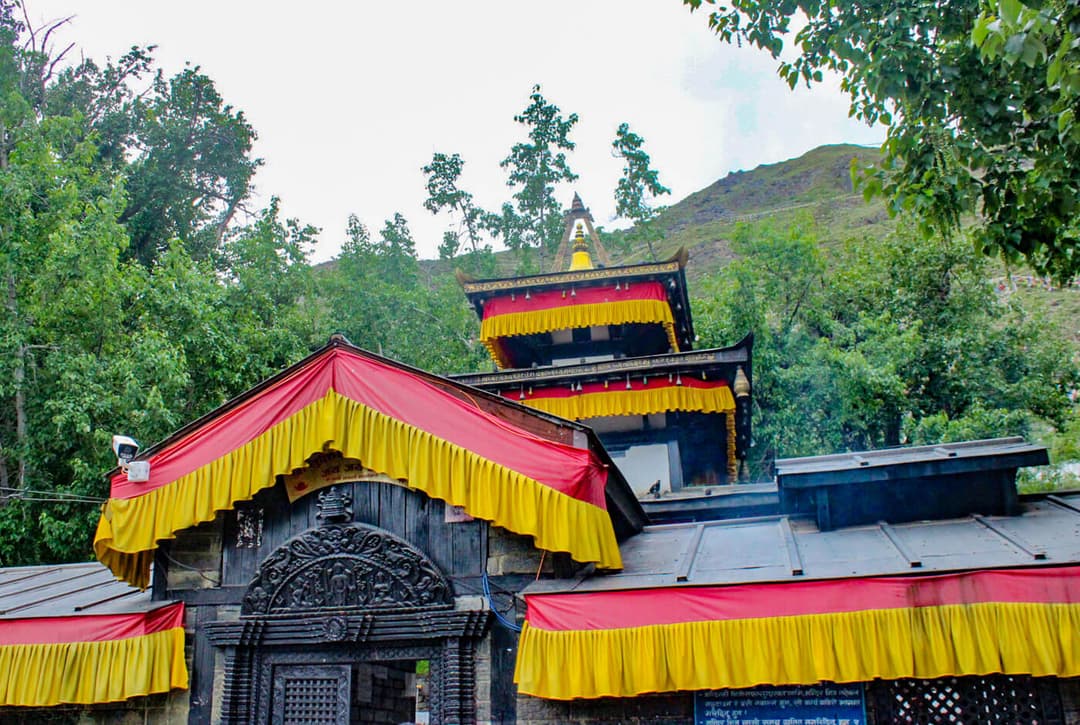
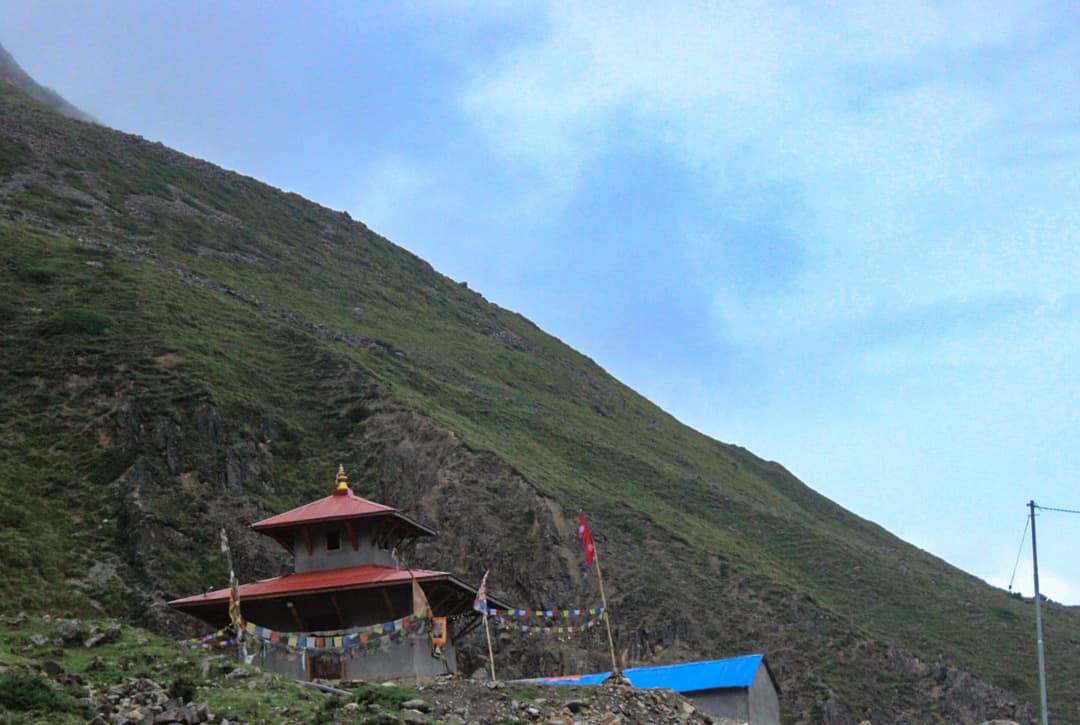
The descent drops over 1,600 m to Muktinath at 3,760 m, with dry, wind-scoured Mustang terrain replacing the eastern circuit's green valleys. Muktinath Temple, sacred to both Hindus and Buddhists, marks the end of the crossing day.
Accommodation will be arranged at Eureka Hotel or a similar category hotel, depending on availability.

The walking portion of the trek ends today. A private vehicle follows the Kali Gandaki Valley, the world's deepest gorge, passing through Marpha with its apple orchards and distilleries. The landscape transitions from high desert plateau to subtropical forest as altitude drops.
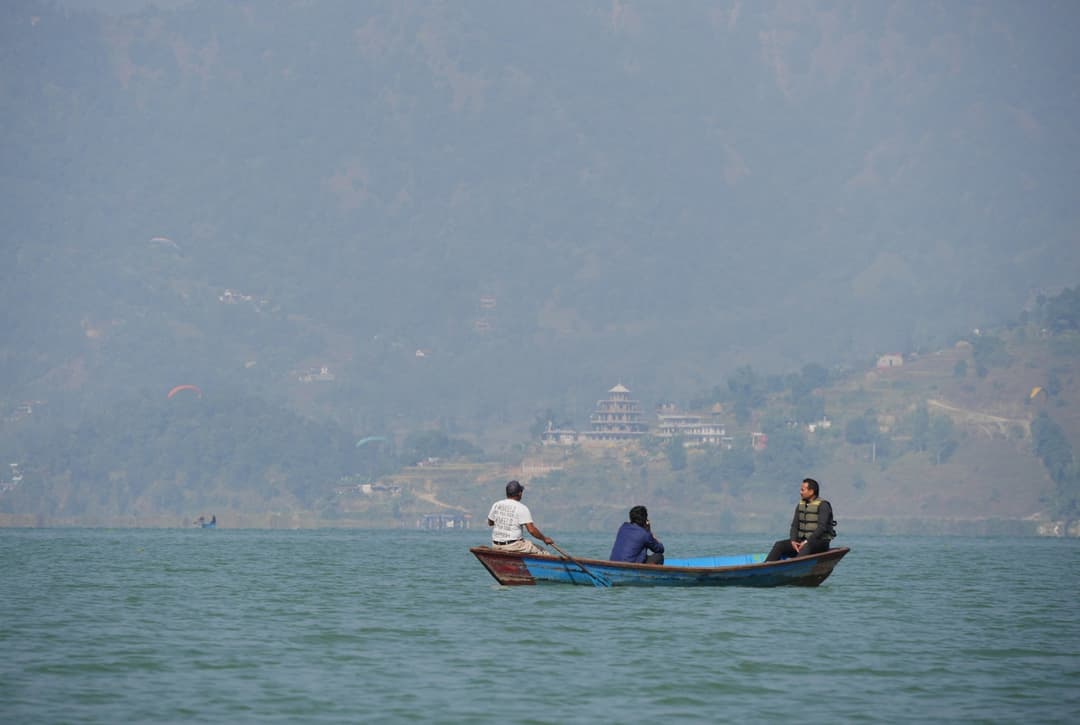
Pokhara appears at the end of the drive, with Machhapuchhre rising sharply behind the city. The lakeside setting marks a clear shift from expedition conditions to comfort.
Accommodation will be arranged at Hidden Kingdom Hotel or a similar category hotel, depending on availability. Meals: Breakfast.
Transfer to Pokhara Airport for the return flight to Kathmandu. The flight tracks northeast along the Himalayan range, with close aerial views of Dhaulagiri, Annapurna, and Machhapuchhre throughout the short crossing.
Note: Flights are subject to delay or cancellation due to weather. An overland bus via the Prithvi Highway is available as an alternative, with a journey time of 6 to 7 hours.
After arrival in Kathmandu, the NHT representative presents a trek completion certificate for the successful crossing of Thorong La Pass and completion of the Annapurna Circuit Trek with Tilicho Lake.
Accommodation will be arranged at Hotel Woodapple and Spa or a similar category hotel, depending on availability. Meals: Breakfast.
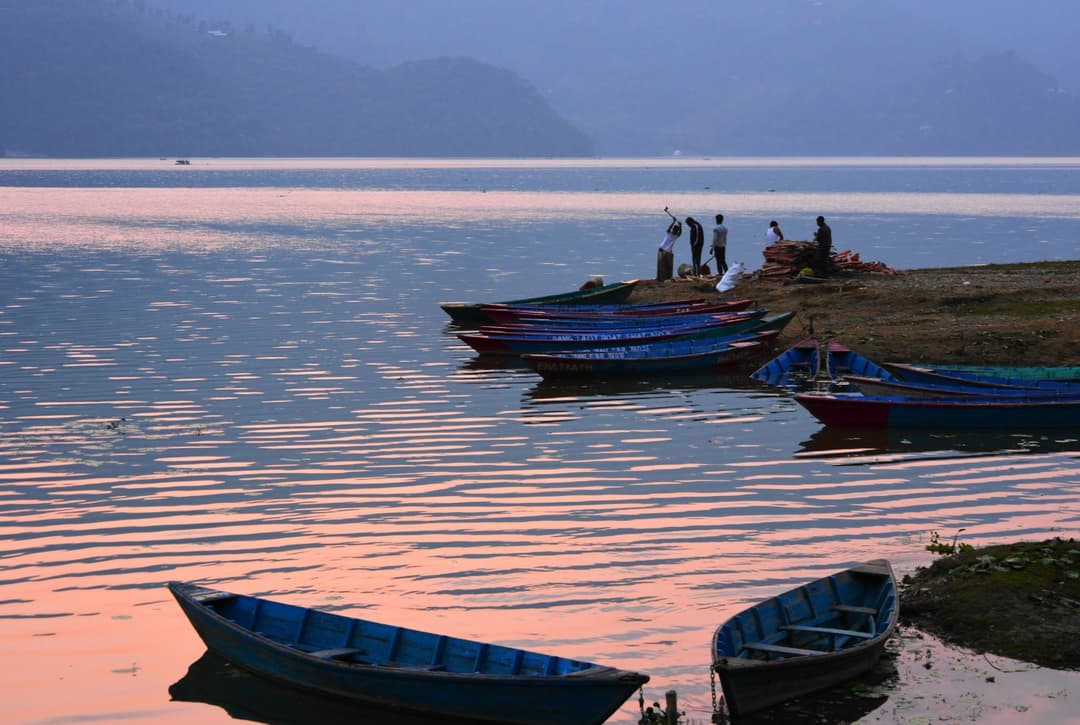
After a final breakfast, your NHT representative meets you at the hotel for a warm farewell. You leave Nepal carrying lasting memories of the Himalayas, its people, and landscapes that few get to experience on foot. The transfer to Tribhuvan International Airport takes approximately 3 hours before your scheduled departure.
Breakfast at the hotel is included.
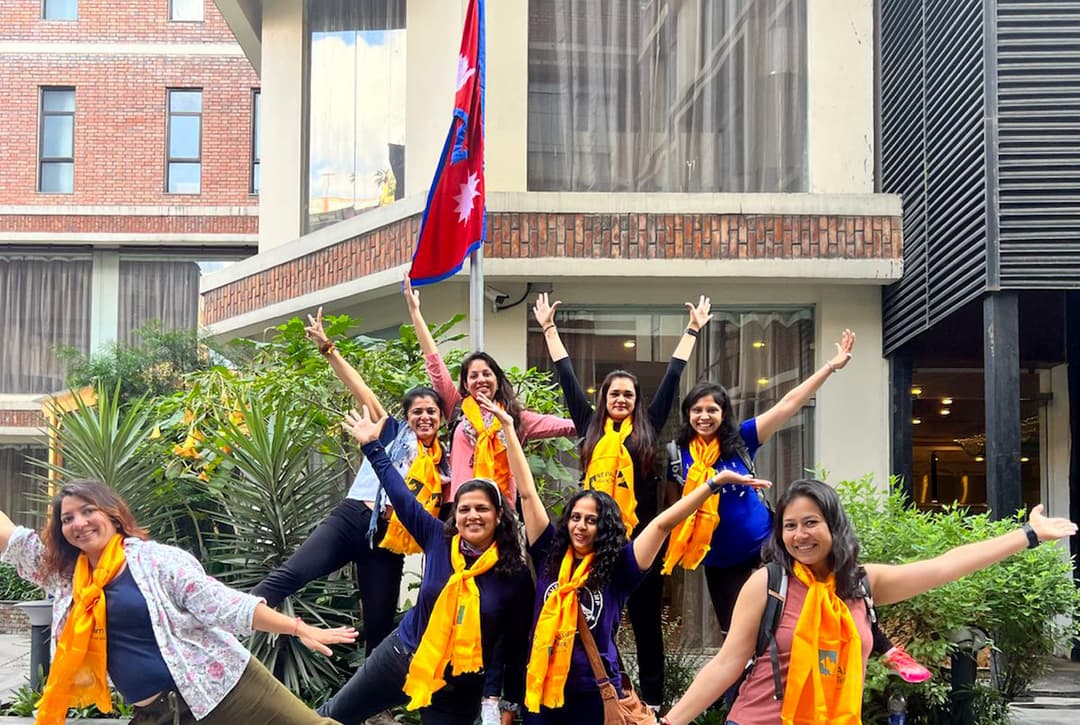
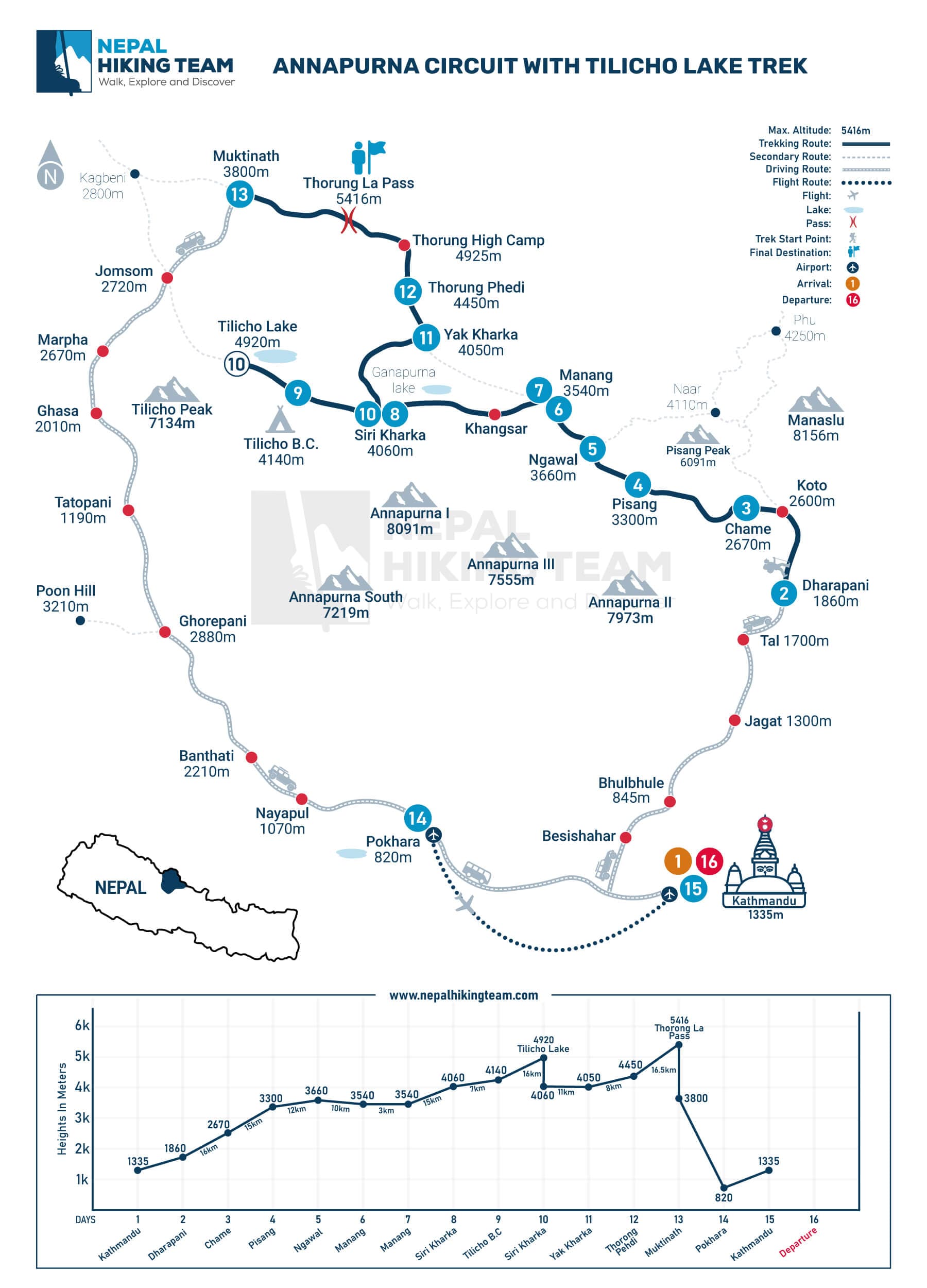
Our 16-day itinerary covers approximately 185 km and includes around 14 active trekking days. The Tilicho Lake side route adds roughly 12–14 km to the overall distance and requires a separate night at the Tilicho Base Camp before the lake visit. The longest single day is the Thorong La Pass crossing, which begins before sunrise due to rapidly dropping temperatures in the pre-dawn hours and the need to clear the pass before afternoon wind sets in.
Learn more in our detailed Annapurna Circuit Trek distance guide.
A rest day is built into Manang before the route enters the section above 4,000 m, giving the body time to adjust before the two most demanding days of the trek. This pacing keeps daily distances manageable while ensuring trekkers arrive at each high point in excellent condition.
From Tilicho Base Camp at 4,150 m, the trail to Tilicho Lake covers 4 to 6 km each way and takes 3 to 4 hours up. The route gains nearly 770 m over a short distance on an exposed trail with no permanent settlements beyond base camp.
Afternoon wind reliably closes the safe return window, making an early morning departure non-negotiable. The section between Shree Kharka and base camp is prone to landslides; trail conditions should be confirmed with your guide the evening before. Lodges in this section are limited and fill quickly during peak season, so accommodation is arranged in advance as part of our itinerary planning.
Tilicho Lake is located in the Manang District of northern Nepal, within the Annapurna Conservation Area, at an elevation of 4,919 m (16,138 ft). It is the largest glacial lake in the Annapurna range and one of the highest large lakes reachable on foot. The lake carries religious significance for local communities and Hindu pilgrims. It is not the highest lake in the world; Ojos del Salado Crater Lake in South America sits above 6,000 m. The approach through the Khangsar valley is geographically separate from the main circuit trail, so it requires dedicated route planning rather than a simple detour.
The route climbs from around 1,300 m at Jagat to 5,416 m at Thorong La Pass. Trekkers spend multiple nights above 4,000 m across the Tilicho section and the pass crossing, which places sustained acclimatisation demands on the body.
Learn more about Altitude Sickness and how to get rid of it.
Most trekkers begin feeling the effects of altitude after Manang, typically around 3,800 to 4,000 m, where reduced oxygen becomes noticeable during exertion. The rest day in Manang at 3,500 m is a planned part of the itinerary, not optional. To acclimatise safely, follow the daily schedule without skipping elevation stages, drink 2 to 3 litres of water daily, check blood oxygen levels each evening, and avoid alcohol above 3,500 m.
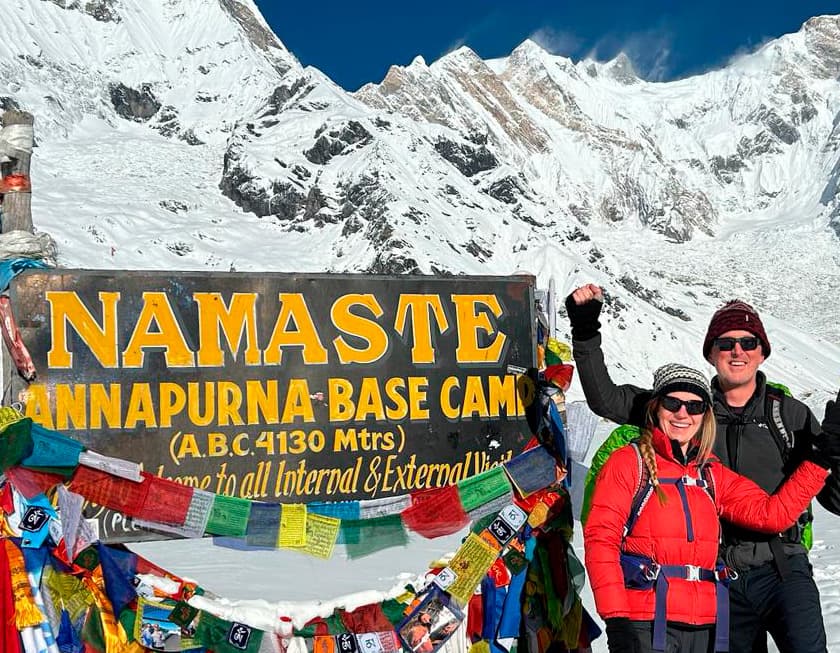
The Annapurna Circuit is a longer, more varied trek that crosses Thorong La Pass at 5,416 m and includes a wide range of landscapes and cultural regions. The Annapurna Base Camp trek is shorter and more direct, reaching 4,130 m without crossing a high pass.
The circuit involves more days, greater altitude exposure, and a broader route through Manang and Mustang, while the base camp trek is better suited for trekkers with limited time or less high-altitude experience. Adding Tilicho Lake further increases the circuit's difficulty, with extra nights above 4,000 m and a more remote side route.
For a detailed comparison of routes, difficulty, and itinerary options, read: Annapurna Circuit Trek vs Annapurna Base Camp Trek
Stop ascending immediately if symptoms appear and inform your guide right away. Rest and hydration resolve mild cases in most situations. If symptoms persist or worsen, descend without delay; even 300-500 m of descent can make a measurable difference.
Manang has basic medical facilities and a Himalayan Rescue Association post where trekkers can be evaluated. Our guides carry altitude medical equipment, monitor health daily, and arrange evacuation without delay when needed.
Teahouse menus cover Nepali staples and basic international dishes throughout the lower and mid sections of the route. Dal Bhat is the most reliable daily option, available at every lodge with free refills, and remains the best choice for sustained energy at altitude. Noodle soups, fried rice, momos, chapati, and standard breakfast items are available up to Manang. Above Manang, menu variety reduces significantly; expect Dal Bhat, thukpa, and limited snack options at higher stops. Choose warm, lightly spiced meals above 3,500 m. Avoid raw salads and uncooked food at all elevations above 2,000 feet.
Treated water is available at teahouses throughout the route. Boiled water sold at lodges is the most reliable option and costs a small fee per litre. ACAP discourages single-use plastic bottles above lower elevations.
Carry a reusable bottle with purification tablets or a portable filter as backup. Untreated water from streams or taps should not be consumed at any altitude.
This trek requires solid cardiovascular fitness and leg endurance built before arrival. Most trekking days run 5 to 8 hours on rocky, uneven terrain with sustained elevation gain. No prior Himalayan experience is required, but trekkers who arrive undertrained find the above 4,000 m section significantly harder than expected.
Begin training 6 to 8 weeks before departure with long walks, loaded backpack carries, and regular hill or stair sessions. Trekking poles are strongly recommended from the start of the route. Trekkers with cardiovascular or respiratory conditions should consult a doctor before booking.
Please read our detailed blog for more on how to prepare for your trek in Nepal.
The Annapurna Circuit with Tilicho Lake is rated moderate to strenuous. The standard circuit without Tilicho is manageable for fit trekkers with no Himalayan background.
Adding Tilicho increases the total days above 4,000 m, introduces an exposed trail with steep elevation gain over a short distance, and places additional recovery demand on the body immediately before the Thorong La crossing.
The combination of the Tilicho night at high camp and the pass day back to back is the most physically demanding part of the itinerary. No technical climbing gear is required. Ankle-support trekking boots and poles are sufficient for all trail conditions under normal seasonal weather.
Spring (March to May) and Autumn (September to November) are the primary trekking windows. Even within these seasons, rain, fog, or snow can arrive quickly above 4,000 m. The wind at Thorong La Pass, one of the highest trekking passes in Nepal, follows a consistent daily pattern; crossings should begin before 9 am to stay ahead of afternoon gusts on the exposed ridge.
Spring and Autumn are indeed the best trekking seasons for trekking in Nepal.
Daytime temperatures in lower valleys range from 10 to 20°C during peak season. Nights above 4,000 m drop regularly to between minus 5 and minus 10°C, and pre-dawn temperatures at Thorong La can fall even further. Layered clothing with a windproof and waterproof outer shell is essential regardless of departure month. Charging options become limited above 4,000 m, so carry a power bank from Manang onward.
The package price covers core trek expenses, but trekkers should carry sufficient cash for personal spending along the route. ATMs are available in Kathmandu and Pokhara; there are no reliable cash facilities on the trail.
Meals are included throughout the trek, with three meals per day provided at teahouses along the route. Breakfast is included during your stay in Kathmandu.
Personal expenses such as soft drinks, bottled beverages, snacks, and alcoholic drinks are not included and should be budgeted separately.
Charging devices at teahouses typically costs USD 1 to 3 per session, and WiFi, where available, carries a similar fee. Both become less reliable above 4,000 m due to limited infrastructure.
Tipping is customary at the end of the trek. The general guideline is USD 10 to 15 per day for the guide and USD 6 to 8 per day for the porter, depending on service and group size.
Travel insurance is required for all trekkers joining this trek and must be confirmed before departure. Your policy must explicitly cover high-altitude trekking to at least 5,500 m, emergency helicopter evacuation, and medical treatment in Nepal.
Standard travel insurance policies that exclude altitude trekking or limit helicopter rescue are not acceptable for this route. Carry a printed or digital copy of your policy throughout the trek and ensure your insurer has a 24-hour emergency contact number accessible from Nepal. Our team will ask for insurance confirmation as part of the pre-trek documentation process.
Choosing the right travel insurance for trekking in Nepal is extremely necessary.
Read our genuine feedback from past travelers with Nepal Hiking Team sourced from TripAdvisor, Google, Facebook, and Trustpilot.
I just finished a three-week adventure in Nepal focused on the Annapurna Circuit, including Tilicho Lake and the Thorong-La Pass. I went solo with a licensed guide, Bibek, and a porter, and it was the best decision I could have made. We reached Thorong-La with perfect weather and not a single day felt wasted.
Why I recommend choosing a private guide from a reputable company, whether solo or with a partner:
About the porter: I hired one who carried most of my gear while I managed water, snacks, and essentials. Portering is demanding work, and many porters carry loads for multiple trekkers, so having one person dedicated to me made a big difference. It allowed me to move efficiently and even fit in short trail runs in village stops.
Efficiency and extras: On two occasions we combined trekking stages and used the extra time for unique side experiences along the route. Those additions became some of the most memorable parts of the journey.
Safety and altitude: Bibek’s pacing, hydration reminders, and daily checkpoints kept me safe and strong. We climbed gradually, slept low when needed, and pushed higher only when conditions were right. I never felt rushed, only well guided and confident.
Bottom line: If you are unsure, go with a trusted company, book a private guide, ask for Bibek if possible, and hire a porter. The logistics become simple, the food stays safe, the weather works in your favor, and what could be just a great trek turns into something truly unforgettable.
 +
+ +
+ +
+
We just completed a 12-day trek through the Annapurna Circuit, and having Hari as our guide made the experience truly unforgettable! From start to finish, he went above and beyond to ensure we had the best possible time.
Hari was incredibly helpful and always made sure we felt comfortable and well-prepared. He took us on extra hikes at our request, accommodated our spontaneous plans, and was always clear about which costs were included and which were optional add-ons. This level of honesty and transparency made everything so easy and stress-free.
What really stood out was Hari’s energy and consistently positive attitude. He was not only friendly and approachable but also very attentive to our well-being. Both my girlfriend and I got sick during the trek, and Hari’s calm, careful approach made a huge difference. He ensured we had the right medications and took every necessary precaution to keep us safe and healthy. His experience and attention to the acclimatization process gave us real confidence as we gained altitude.
Toward the end of the trek, our group chose to skip the final hike from Muktinath to Jomsom. Hari quickly arranged a flight from Jomsom to Pokhara and even booked a hotel for us—all at no extra cost. He also made sure we had the best available rooms at each stop, which made a long and sometimes challenging journey much more comfortable.
Hari’s passion for guiding and his genuine care for his clients shone through every single day. We couldn’t have asked for a better guide and would highly recommend him to anyone looking to experience the Annapurna Circuit.
Our porters—both named Ram—were also fantastic. They greeted us each day with smiles and made sure our gear was always waiting for us at the next stop.
Thank you to Hari and the Rams for making this trek truly special!
After an unforgettable Everest Base Camp trek, we chose to book the Annapurna Circuit trek with Ganga ji and the Nepal Hiking Team—and once again, the experience was exceptional from start to finish. Everything was meticulously organized, beginning with the airport pickup, so we didn’t have to worry about a thing.
Our guide Bibek and porter Ratna were outstanding. They ensured we had the best possible accommodations at every stop and even went out of their way to accommodate our custom food preferences. Bibek was constantly attentive to our safety and well-being, making sure we enjoyed every moment of the journey.
I will definitely plan my next trek with Nepal Hiking Team and highly recommend them to anyone considering an adventure in the Himalayas. Ganga and his team are extremely professional and available 24/7 to assist with anything you need. For a stress-free and memorable trekking experience, Nepal Hiking Team is the way to go.
- Guided by Bibek Dhamala
We've had a fantastic experience with Nepal Hiking Team, and our guide, Suraj Shrestha, has been incredibly helpful, thoughtful, and encouraging throughout this challenging journey.
We feel very fortunate to have made it to both Tilicho Lake and Thorong La Pass, especially after the heavy snowfall the day before. Thanks to the team’s well-considered itinerary, we were able to conserve our energy and fully enjoy capturing the stunning scenery.
- Guided by Suraj Shrestha
Just finished my first Nepal trek on the Annapurna Circuit route. The 8-day hike was amazing — great weather, and our guide was super helpful and spoke fluent English. Our porter was really cheerful and supportive too.
We made it to both Tilicho Lake and Thorong La Pass safely. I’d definitely recommend booking a guide and porter — it makes a huge difference, especially at high altitude.
You can ask Nepal Hiking Team anything — they’ll sort it out for you, no worries.
Yes. Citizens of most countries can obtain a tourist visa on arrival at Tribhuwan International Airport in Kathmandu. Your passport must be valid for at least 6 months, and you can pay the visa fee by card or cash. Citizens of Afghanistan, Ghana, Cameroon, Iraq, Ethiopia, and 7 other listed countries must obtain their visa from a Nepali embassy before travelling.
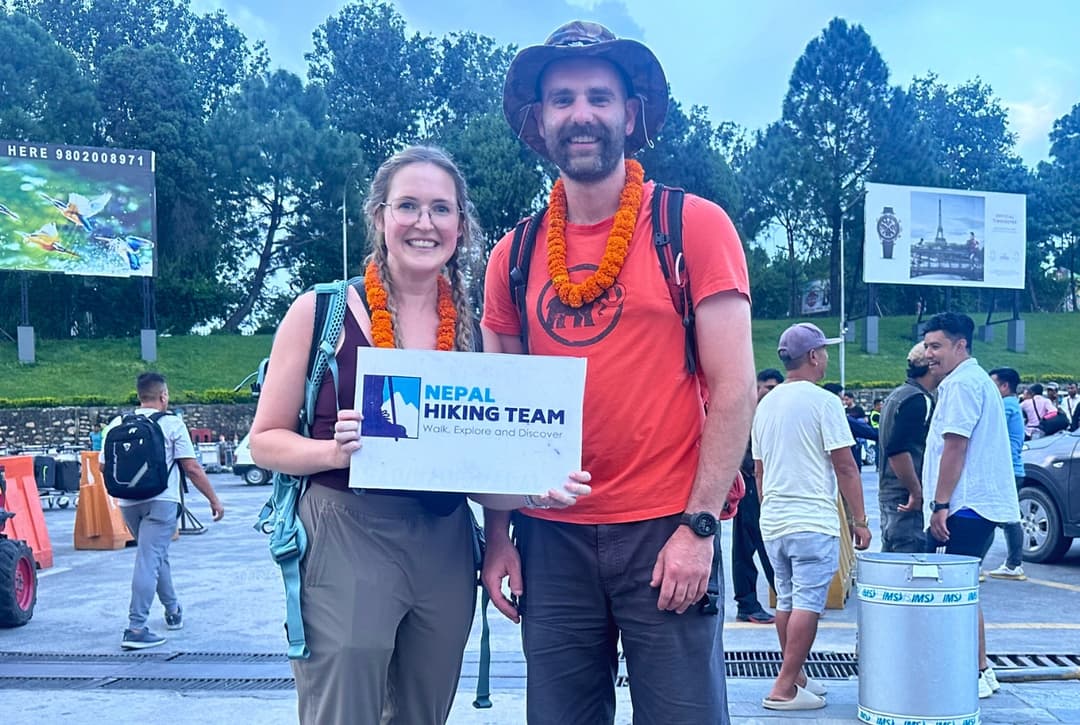
Yes. One of our representatives will meet you at arrivals holding the Nepal Hiking Team sign and transfer you by private vehicle to your hotel in Kathmandu. The same service is provided at the end of your trek. If you are arriving early or need additional nights, contact us in advance and we will arrange accommodation accordingly.
No. We manage all in-country logistics including permits, guides, porters, transport, accommodation, and meals, but we do not book international flights. You are responsible for arranging your own travel to and from Kathmandu.
There are no mandatory vaccinations for Nepal, but the CDC recommends hepatitis A and B, typhoid, tetanus, and measles. Depending on your travel history, a rabies vaccine may also be advised. Consult your doctor for personalised guidance at least 4 to 6 weeks before departure.
Yes. Ncell and NTC SIM cards are available at the airport with your passport and a passport-sized photo. Both provide reliable coverage in lower sections of the trail including Kathmandu and Pokhara. Above Manang and at Thorong La Pass, signal becomes limited or unavailable.
Select your preferred departure date on our website, complete the booking form with your details, and confirm with a 20% deposit and a copy of your passport. Once we receive both, your place is secured and we will send a confirmation email with your full day-by-day itinerary, included services, and pre-trek briefing details.
The 20% deposit is non-refundable, though it can be held as credit for a future trip with us. If you have paid the full balance in advance, the remaining 80% is refundable upon cancellation. We recommend postponing rather than cancelling and ask that you inform us at least two weeks before your scheduled departure.
Yes. Private trips are available year-round with fully customised itineraries. For groups of 2 or more, the cost is USD $1,450 per person. Solo travellers requesting a private trip will incur an additional supplement. Contact us at sales@nepalhikingteam.com to discuss your requirements.
Yes, subject to guide and accommodation availability. We can accommodate bookings as close as 3 days before departure. During peak season from March to May and September to November, booking earlier gives you more reliable options.
The trek begins at Jagat village. After your first night in Kathmandu, we depart early by private jeep on a drive that takes 8 to 9 hours. The route follows river valleys and mountain roads, giving you your first real look at the terrain you will be trekking through.
After crossing Thorong La Pass and descending through Muktinath, we arrange transport to Pokhara where you stay one night at a 3-star hotel in the Lakeside area. Transfer is by tourist bus or private vehicle depending on your package.
The trek is rated moderate to strenuous. The terrain combines river valley walking, steep climbs above treeline, and a high-altitude pass crossing, with daily walking time ranging from 4 to 7 hours. The itinerary is designed to be achievable by fit, motivated trekkers including first-timers with the right preparation and pacing.
Crossing Thorong La Pass at 5,416 m is the most demanding day. You start before dawn from Thorong Phedi, gain over 1,000 m in altitude, and descend steeply to Muktinath in a total of 7 to 9 hours. Your guide sets the pace and monitors every group member throughout the crossing.
The Tilicho Lake detour is steeper and more exposed than most of the main circuit. The path from Tilicho Base Camp to the lake gains significant altitude over a short distance and crosses loose terrain in places. With proper preparation and pacing, most fit trekkers can complete this section safely.
At Tilicho Base Camp (4,150 m), nighttime temperatures can drop to between -5°C and -10°C even during peak season. At Thorong La Pass (5,416 m), early morning temperatures on crossing day can fall to between -10°C and -15°C, with wind chill making it feel colder. Warm layers, a down jacket, and gloves are essential.
No prior experience is required. What matters most is listening to your body, staying hydrated, moving at a steady pace, and not ignoring early symptoms. Our guides manage the daily rhythm with acclimatisation in mind and first-time trekkers complete this route regularly with the right preparation.
The 16-day itinerary is structured to include the Tilicho Lake detour, a rest day in Manang, and a gradual altitude gain, all of which require adequate time to complete safely. If 16 days is not possible, we recommend the standard Annapurna Circuit without the Tilicho extension, which can be completed in fewer days while still including the Thorong La crossing. Speak to our team and we can suggest the right option for your schedule.
Yes. Insurance is mandatory for this trek and must cover high-altitude trekking to at least 5,500 m, emergency helicopter evacuation, medical expenses, and trip cancellation. Confirm your policy explicitly covers helicopter rescue as many standard travel policies do not include this by default.
Altitude-related symptoms are common above 3,500 m and can affect any trekker regardless of fitness level. Headaches, reduced appetite, and disrupted sleep are typical early signs. We include a rest day in Manang specifically to help your body adjust before moving higher, and our guides monitor each trekker daily and adjust pace when needed.
Your guide will assess your condition and decide the appropriate response, which may include rest, medication, or immediate descent. In serious cases, we can arrange emergency helicopter evacuation, which is why comprehensive insurance is mandatory. You will never be left alone on the trail.
Yes. Snowfall, whiteout conditions, or high winds can make the pass unsafe or temporarily close the route. Your guide monitors conditions and makes the final call on whether to proceed. The most reliable windows are October and April to early May, and we recommend building some flexibility into your return travel schedule.
Start training at least 6 weeks before departure with cardio exercise such as walking, jogging, or cycling 4 to 5 days per week, combined with leg and core strength work including squats, lunges, and step-ups. Practice hikes with a loaded daypack are the most useful preparation for the actual conditions on trail. Schedule regular rest days in the weeks before departure to avoid overtraining injuries.
Clothing essentials include moisture-wicking base layers, a fleece or down mid-layer, a waterproof outer shell, a warm hat, gloves, and UV-protection sunglasses. Footwear should be waterproof hiking boots that are fully broken in before arrival. Bring trekking poles, a daypack, a power bank, a headlamp with spare batteries, a personal first aid kit, sunscreen SPF 50+, and any regular medications. Keep your daypack to a maximum of 6 to 8 kg as your porter carries the main duffel.
A 25 to 30-litre daypack is ideal for the trail. It should comfortably carry your water bottle, snacks, rain jacket, warm layer, sunscreen, and personal documents without feeling heavy. A well-packed daypack makes long climbing days significantly more manageable.
Not typically during spring or autumn. In late autumn or early spring, ice can form on the Thorong La descent and on the approach to Tilicho Lake. Your guide will assess conditions on the ground and can help you source microspikes in Manang or Thorong Phedi if needed.
We provide a 4-season sleeping bag rated to -20°C, a down jacket rated to -20°C, and a 70-litre duffel bag. All items must be returned at the end of the trek. On completion, you receive an NHT trek certificate, a t-shirt, and a cap.
Yes. Thamel in Kathmandu has a wide range of shops selling and renting boots, trekking poles, waterproof trousers, and backpacks. Always fit-check footwear before purchasing, particularly anything intended for high-altitude use.
The package includes 2 nights at WoodApple Hotel & Spa (3-star) or similar in Kathmandu with breakfast, and 1 night at a 3-star hotel in Pokhara's Lakeside area with breakfast. During the trek, twin-sharing teahouse rooms are provided at Jagat, Dharapani, Chame, Pisang, Manang (2 nights), Tilicho Base Camp, Siri Kharka (2 nights), Yak Kharka, and Thorong Phedi. Upgrades to a 4-star hotel in Kathmandu or Pokhara are available at an additional charge.
Hot showers are available at most teahouses along the lower and mid-altitude sections of the trail. At higher elevations such as Tilicho Base Camp and Thorong Phedi, options may be limited or involve a small charge of around NPR 200 to 400. A cold-bucket wash is always available as an alternative.
Charging is available at most teahouses along the route, though reliability decreases at higher altitudes. Some teahouses charge a small fee of NPR 100 to 200 per device. We recommend carrying a fully charged power bank from each overnight stop, particularly above Manang where power supply can be inconsistent.
Wi-Fi is available in the dining areas of most teahouses, though speeds are slow and reliability drops at higher altitudes. At Thorong Phedi and Tilicho Base Camp, expect limited or no connectivity, and higher-altitude teahouses typically charge NPR 300 to 500 per hour. We recommend downloading offline maps and any essential content before leaving Manang.
ATMs exist at Chame, Manang, Muktinath, and Jomsom but they are frequently out of cash or offline. Withdraw sufficient Nepali rupees in Kathmandu or Pokhara before you leave and carry more than your planned daily budget. Visa, Mastercard, and American Express work at most city ATMs.
Yes. You can leave non-essential bags at your Kathmandu hotel free of charge and collect them after the trek. We recommend packing only what you need for the trail in your duffel and daypack.
Breakfast and dinner are included at the Kathmandu hotel and breakfast is included at the Pokhara hotel. During the trek, full board is provided with breakfast, lunch, and dinner with tea at teahouses each day. Meals in Kathmandu and Pokhara outside of what the package covers are at your own cost.
Teahouse menus offer a mix of local and international dishes. Dal bhat (lentil soup with rice and vegetables) is available at every teahouse, is typically unlimited, and provides the sustained energy needed for long days on trail. Other common options include thukpa, pasta, momo, fried rice, pancakes, and porridge.
Vegetarian and vegan options are available at most teahouses along the route. Gluten-free options are more limited but manageable as rice-based dishes are widely available. Let us and your guide know your dietary needs at the time of booking so we can plan accordingly.
Boiled water is available at teahouses each morning and evening as part of your meal service, and your guide will assist you with access to safe drinking water throughout the trek. Along the trail, you can refill at teahouses for a small charge. We recommend carrying a reusable bottle and water purification tablets as backup, particularly on longer stretches between stops. Buying bottled water at every stop is unnecessary, adds cost at altitude, and contributes to plastic waste on the mountain.
Budget an additional NPR 25,000 to 30,000 (approximately USD $185 to $225) beyond the package cost. This covers snacks, extra drinks, hot showers, Wi-Fi, device charging, tips for your guide and porter, and any meals outside of what the package includes.
The trek takes 16 days with Nepal Hiking Team and covers 160 to 230 km depending on route variations. This includes the Tilicho Lake detour, a rest day in Manang, the Thorong La Pass crossing, and the descent to Muktinath and onward to Pokhara.
The trek starts at Jagat village, reached by an 8 to 9-hour private jeep drive from Kathmandu. The route progresses through Dharapani, Chame, Pisang, Manang, Tilicho Base Camp, Yak Kharka, and Thorong Phedi before crossing Thorong La Pass and descending to Muktinath. The trek ends in Pokhara.
The highest point is Thorong La Pass at 5,416 m (17,769 ft). The second-highest point reached is Tilicho Lake at 4,919 m (16,138 ft).
Roughly 6 to 7 days of the trek are spent above 4,000 m, starting from the upper sections around Manang through the Tilicho Lake visit, the pass crossing, and the descent toward Muktinath. We plan the route with gradual altitude gain and a rest day in Manang to help your body adjust safely before the most demanding days.
The Annapurna Circuit with Tilicho Lake route includes both the main circuit and a high-altitude detour to Tilicho Lake, combining varied terrain from river valleys and forested ridges to alpine lakes and high mountain passes. The route gives trekkers a complete cross-section of the Annapurna region in a single journey.
The route is safest during spring (March to May) and autumn (September to November). In winter, the path can be icy and access may be restricted due to avalanche risk. During the monsoon from June to August, trail conditions deteriorate significantly and we do not operate this route during those months.
No prior experience is required. First-time high-altitude trekkers complete this route regularly with proper pacing and the acclimatisation schedule built into our itinerary. What matters most is listening to your body, staying well-hydrated, and not pushing through warning signs.
We build in a mandatory rest day in Manang at 3,500 m before moving into the higher sections of the route. On that day, trekkers take a short hike to a higher point and return to sleep lower, a proven method for helping the body adapt. Above Manang, daily altitude gain is kept manageable and our guides carry emergency oxygen and are trained to recognise and respond to altitude sickness at every stage.
Mild AMS includes headache, fatigue, reduced appetite, and disrupted sleep, which are common at altitude and manageable with rest and hydration. Do not ascend further until these resolve. Moderate symptoms including persistent headache, nausea, and dizziness require a rest day or descent. Severe symptoms such as confusion, loss of coordination, breathlessness at rest, or a persistent cough require immediate descent and emergency evacuation without delay.
Our guides carry emergency oxygen and can administer Diamox (acetazolamide) in moderate cases to support acclimatisation. They are trained in altitude sickness assessment and emergency first aid. If you plan to carry Diamox personally, discuss it with your doctor before the trek as it is a prescription medication with side effects you should understand in advance.
Group departures follow fixed scheduled dates and are the standard package option. Private trips are available on any date of the year with a fully customised itinerary, allowing you to move at your own pace and adjust the route to your needs. They are well-suited to individuals, couples, families, or small groups who want more flexibility.
Yes. We can arrange day tours in Kathmandu, Pokhara, Chitwan National Park, or Nagarkot after the trek at an additional charge. Extensions are not included in the standard package so let us know your preferences when booking.
Yes. Our Classic Annapurna Circuit with Tilicho Lake and Poon Hill itinerary continues south after Thorong La, passing through Ghorepani for the Poon Hill sunrise hike before ending in Pokhara. The route combines high alpine terrain with lower green hills in one continuous trek.
Two permits are required: the Annapurna Conservation Area Permit (ACAP) and the Trekkers' Information Management System (TIMS) card. Both are mandatory, and we handle the full permit process on your behalf. You just need to provide your passport details and photos at the time of booking.