
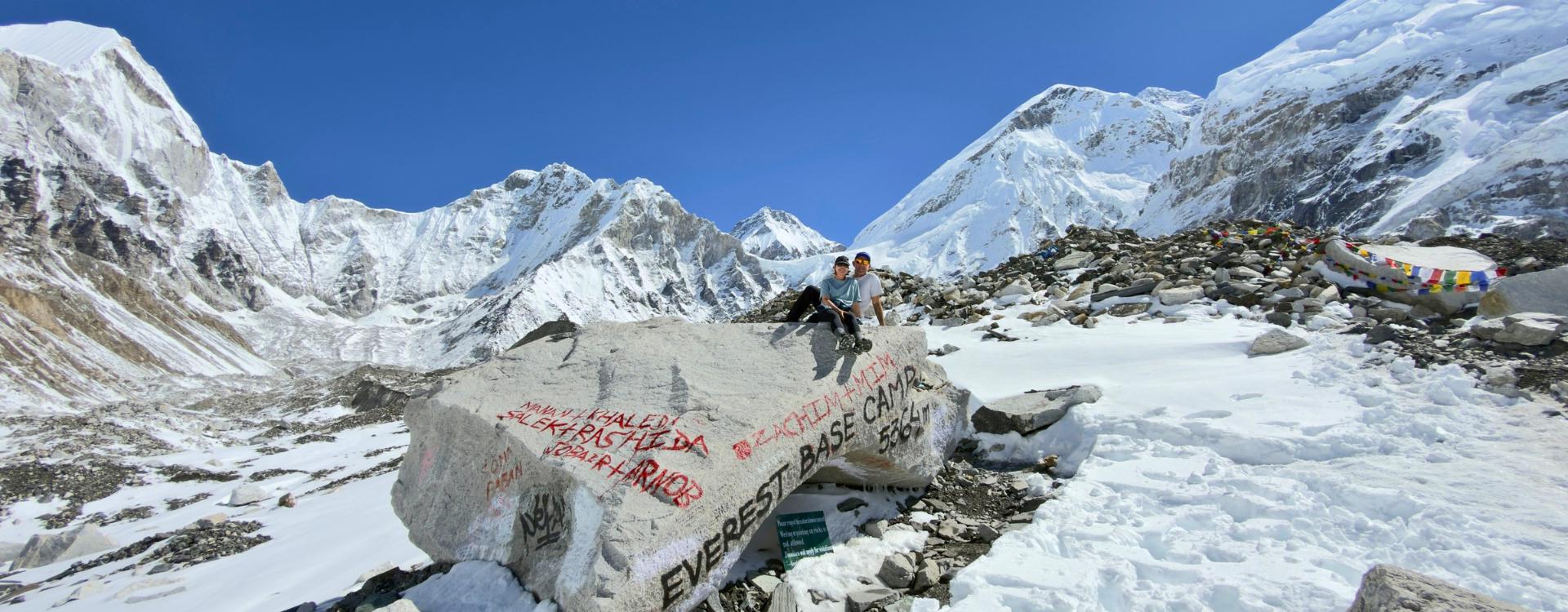
The Everest Base Camp Trek in March offers a combination of relatively stable weather, good mountain visibility, and manageable trekking conditions. The mornings and nights remain cold, particularly above Namche Bazaar, and occasional snowfall is still possible at higher elevations during this month.
March is generally less crowded than April, although the number of trekkers increases as the month progresses. Most teahouses begin operating for the spring season, but accommodation choices can become limited at popular overnight stops, especially at the beginning of March.
If you are planning to trek to Everest Base Camp in March, understanding the weather, temperatures, trail conditions, and accommodation situation can help you prepare for the journey.
Can you do Everest Base Camp Trek in March?
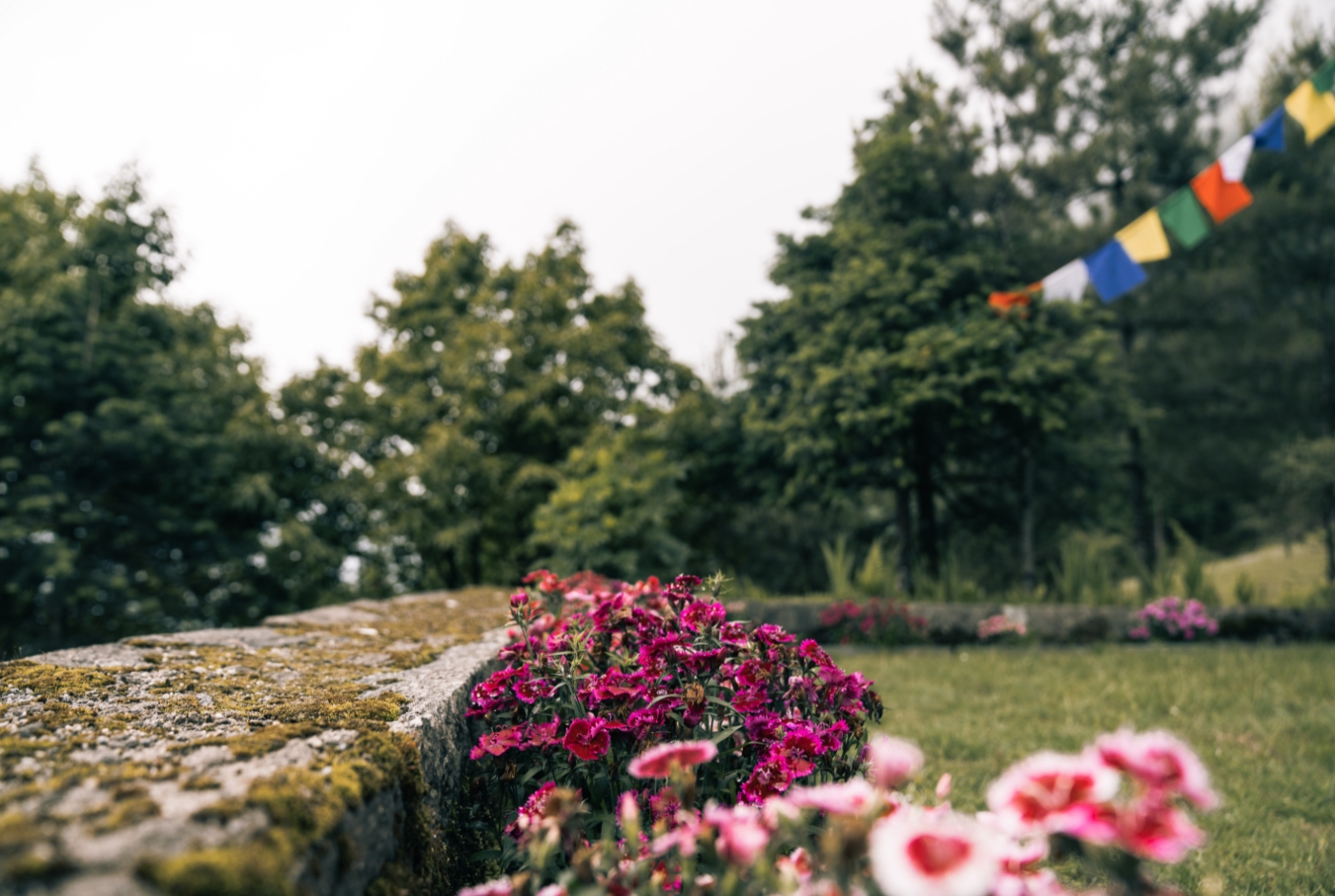
Yes, trekkers can complete the Everest Base Camp Trek in March as well. As it marks the beginning of spring in the Khumbu region, this month brings warmer daytime temperatures, longer walking hours, and generally favorable conditions for trekking. The lower region of the trail welcomes spring with cool, comfortable days, greenery, and clear skies.
On the other hand, in the higher region, residual winter snow covers some parts of the trails and passes.
However, March is still a transition month between winter and spring. Early March can be quite cold, especially at higher elevations, and snowfall may affect sections of the trail around Lobuche and Gorak Shep. Late March is generally warmer, with more teahouses operating and increased trekking activity.
If you prefer fewer crowds than April but still want to experience the spring trekking season, March is a good option. You should, however, be prepared for freezing nighttime temperatures and occasional changes in mountain weather.
Pros of EBC Trek in March
- Gradually warmer temperatures: March brings a gradual temperature rise compared to winter. Daytime conditions become more comfortable for walking at lower elevations, although nights remain cold at higher altitudes.
- Good mountain visibility: Mornings are often clear, offering good opportunities to see Everest, Ama Dablam, Lhotse, Nuptse, and other Himalayan peaks. Early starts are particularly useful for photography.
- Beginning of the rhododendron season: Rhododendrons and other wildflowers start blooming in the lower forests, especially towards mid-to-late March. The flowering season progresses to higher elevations as spring advances.
- Longer daylight hours: Longer days give trekkers more time to complete their daily walks without rushing.
- Less crowded than April: March attracts fewer trekkers than the busiest spring weeks in April, particularly during the first half of the month.
- Teahouses reopen for spring: Many lodges that close or operate with limited services during winter resume normal operations as trekking activity increases.
- Lively trekking atmosphere: As the spring season begins, more trekkers and local business owners return to the Khumbu region, making villages and teahouses livelier.
Cons
- Cold mornings and nights: Temperatures remain below freezing at higher elevations, particularly around Dingboche, Lobuche, and Gorak Shep.
- Possibility of snowfall: Snowfall can still occur in March, especially during early March and at elevations above 4,000 meters.
- Lingering snow and icy trails: Shaded sections and higher mountain trails may retain snow and ice from winter, making some parts slippery.
- Increasing crowds: Although March is generally quieter than April, the number of trekkers increases towards the middle and end of the month.
- Limited accommodation choices: Popular teahouses can become busy during the second half of March, particularly in Lobuche and Gorak Shep.
- Lukla flight delays: Flights can be affected by poor visibility, wind, and changing mountain weather. Advance booking and a buffer day are recommended.
- Occasional rain and afternoon clouds: Weather can change during the day, and occasional precipitation may affect visibility and trail conditions.
Weather of Everest Base Camp in March

March marks the transition from winter to spring in the Everest region. Temperatures gradually increase throughout the month, making daytime trekking more comfortable at lower elevations. However, the weather remains cold at higher altitudes, especially after sunset.
At Lukla and Phakding, daytime temperatures are generally mild, while Namche Bazaar experiences cooler mornings and evenings. As you climb towards Tengboche and Dingboche, temperatures drop, and nighttime conditions become considerably colder. Lobuche and Gorak Shep can experience freezing temperatures even during the day, particularly when the sky is cloudy or the wind picks up.
Early March is usually colder than late March. The difference is more noticeable at higher elevations, where temperatures can remain below freezing throughout the night.
Day and Night Temperature Comparison Along the EBC Trail in March
The following table gives approximate daytime and nighttime temperature ranges at different stops along the Everest Base Camp route during March:
|
Location
|
Elevation | Daytime Temperature | Nighttime Temperature |
| Lukla | 2,860 m | 11°C to 13°C | 0°C to 3°C |
| Phakding | 2,610 m | 10°C to 14°C | 0°C to 4°C |
| Namche Bazaar | 3,440 m | 7°C to 10°C | -3°C to 0°C |
| Tengboche | 3,867 m | 5°C to 9°C | -7°C to -4°C |
| Dingboche | 4,410 m | 0°C to 5°C | -11°C to -8°C |
| Lobuche | 4,940 m | -2°C to 3°C | -14°C to -9°C |
| Gorak Shep | 5,164 m | -6°C to 0°C | -17°C to -12°C |
| Everest Base Camp | 5,364 m | -6°C to 0°C | -18°C to -12°C |
Note: These are estimated forecasts; actual temperatures vary with the weather, wind, cloud cover, and timing of your trek.
Rainfall and Snowfall in March
March is generally drier than the monsoon months, but occasional precipitation is possible. Lower sections of the trail may experience rain, particularly towards the latter part of the month, while higher elevations can receive snowfall.
As temperatures gradually rise, snow from winter starts melting. This can create wet and muddy sections along the lower trail, while shaded areas at higher elevations may remain icy.
Trekkers should carry a waterproof jacket and backpack cover and be prepared for changing weather. Even when the morning starts clear, clouds can develop later in the day.
Trail Conditions During the Everest Base Camp Trek in March
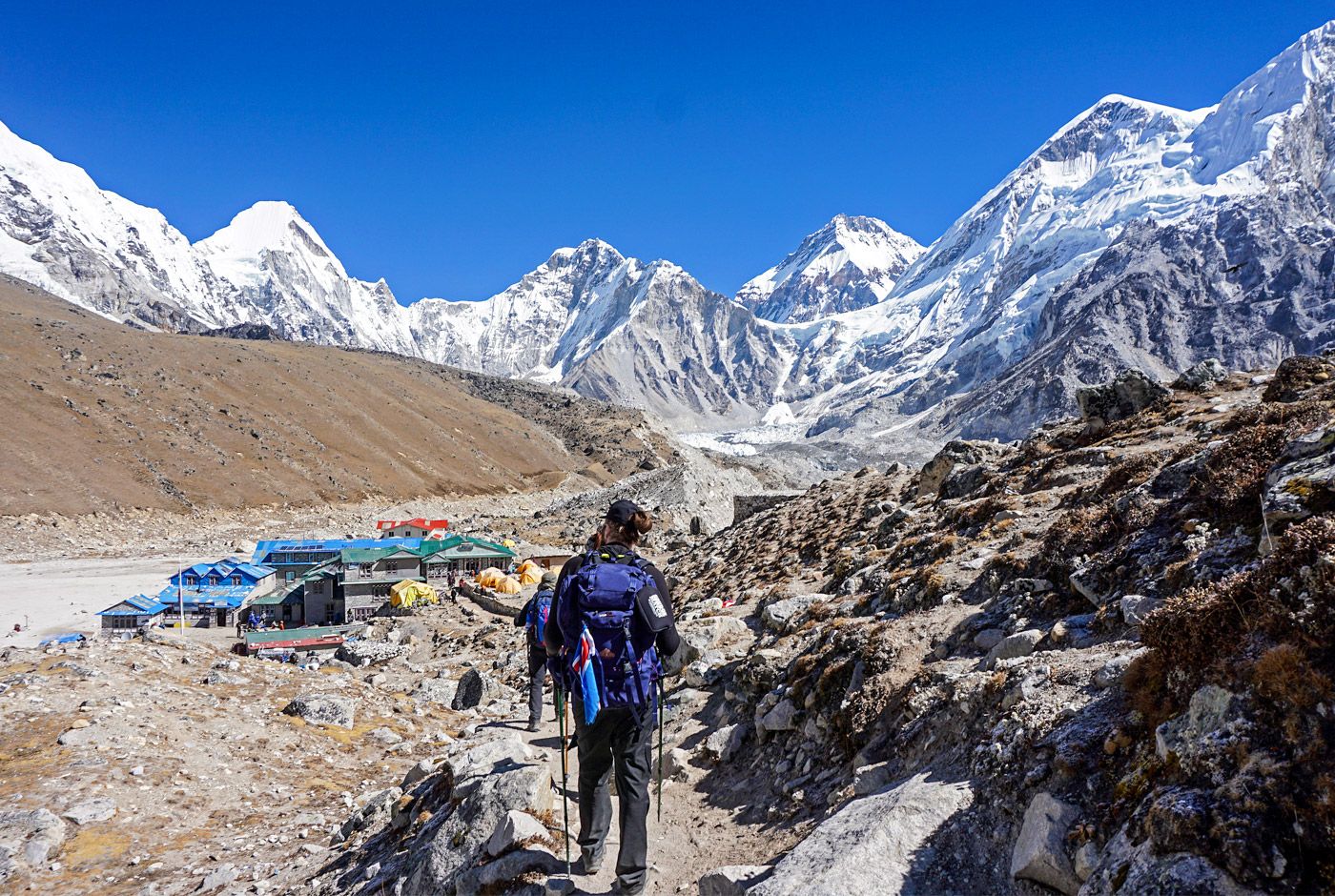
Trail conditions in March vary depending on elevation and the timing of your trek. The lower sections between Lukla, Phakding, and Namche Bazaar are generally accessible, with established stone paths, suspension bridges, and forest trails. However, melting snow and occasional rain can make some sections muddy or slippery.
Above Namche Bazaar, the trail gradually becomes more exposed and rocky. The route towards Tengboche and Dingboche is generally manageable, but shaded sections may retain snow and ice from winter. Early March can have more lingering snow than late March.
The higher sections between Dingboche, Lobuche, and Gorak Shep require additional care. Snow and ice may cover parts of the trail, particularly after fresh snowfall. The route around the Khumbu Glacier is rocky and uneven, and the final walk to Everest Base Camp involves crossing glacial moraine terrain.
Sturdy trekking boots with good grip and trekking poles are useful throughout the journey. Microspikes may also be helpful if icy conditions are present. Before setting out each morning, check the trail conditions with your guide, especially if you are trekking above Lobuche.
Overall, March offers manageable trekking conditions, but it is important not to assume that winter snow has completely disappeared.
Mountain Views and Visibility During March
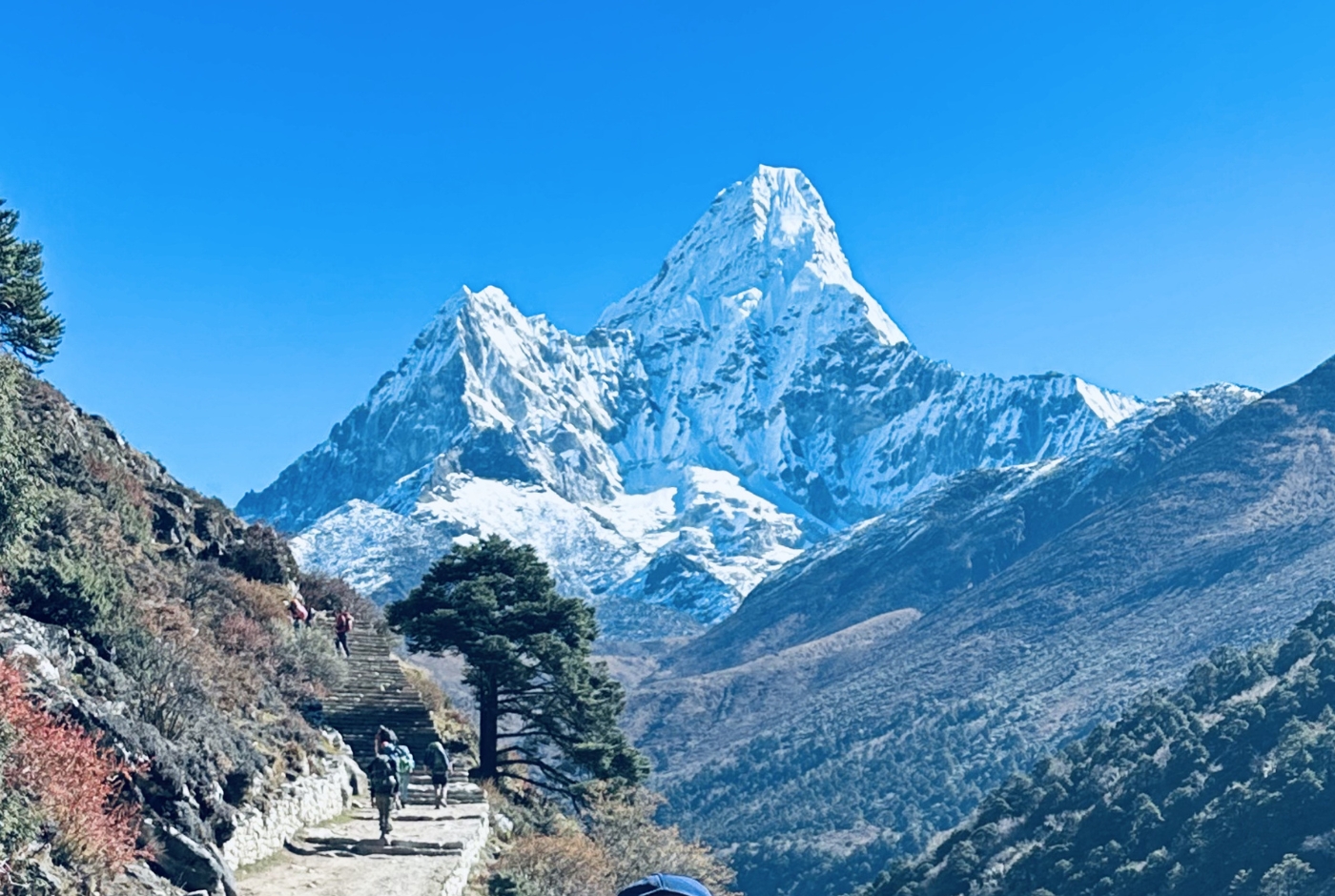
March generally offers good opportunities for mountain views in the Everest region. The mornings are often clear, with relatively crisp air and good visibility across the Khumbu Valley. Trekkers can see peaks such as Everest, Ama Dablam, Lhotse, Nuptse, Thamserku, and Pumori from different points along the route.
From Namche Bazaar, you can enjoy views of Everest and surrounding peaks on clear days. The trail towards Tengboche provides closer views of Ama Dablam, while the open landscape around Dingboche offers a wider view of the surrounding mountains.
As you approach Lobuche and Gorak Shep, the terrain becomes more exposed, and the mountains dominate the landscape. Kala Patthar is one of the best places to view Mount Everest, particularly during early morning when the skies are often clearer.
Clouds can develop later in the day, especially towards the second half of March. Wind, snowfall, and changing weather can also affect visibility. If mountain photography is important to you, start walking early and try to reach viewpoints before clouds begin to gather.
Rhododendron Bloom During the Everest Base Camp Trek in March
March marks the beginning of the rhododendron flowering season in the lower Everest region. As winter temperatures gradually rise, the forests along the trail start showing signs of spring.
The first blooms generally appear at lower elevations, including forested sections between Lukla, Phakding, and Namche Bazaar. Towards mid-to-late March, flowering becomes more noticeable, depending on temperature, altitude, and local weather conditions.
Rhododendrons grow at different elevations, so flowering does not happen everywhere at the same time. The lower forests may already have blooms while higher sections around Tengboche remain colder. The flowering season generally becomes more widespread in April.
If you are trekking in early March, you may see only a few early blooms. Late March offers a better chance of encountering flowering rhododendrons along the lower sections of the route.
Departure Dates for Everest Base Camp Trek with Nepal Hiking Team for March 2027
Standard Itinerary Length: 16 days (Day 1 is your arrival in Kathmandu, and Day 16 is your departure).
March 2027 Group Joining Dates: January 1, 3, 7, 9, 12, 15, 18, 21, 24, and 27, 2027.
Custom / Private Treks: If fixed group dates do not align with your schedule, we, the Nepal Hiking Team, can arrange private or custom start dates year-round. If you share your preferred month or season for 2027 and your group size, we can help you find the exact start/end dates or check custom private trip options.
How Do Lukla Flights Operate in March?
Flights between Kathmandu and Lukla can operate directly from Kathmandu or from Manthali Airport in Ramechhap, depending on the seasonal flight schedule and airline arrangements.
During busy spring and autumn trekking periods, some Lukla flights are shifted to Manthali Airport to manage air traffic at Kathmandu's domestic airport. If your flight departs from Ramechhap, you will need to travel by road from Kathmandu, which generally takes around four to five hours, depending on road conditions.
March is the beginning of the spring trekking season, so flight demand gradually increases. Booking your Lukla flight in advance is advisable, particularly if you are travelling towards the middle or end of the month.
Weather conditions can also affect flights. Poor visibility, strong winds, and changing conditions around Lukla Airport may cause delays or cancellations. It is therefore sensible to include a reserve day in your itinerary rather than scheduling an international departure immediately after your return flight.
Always confirm your departure airport and flight arrangements with your airline or trekking agency before travelling.
Accommodation During the Everest Base Camp Trek in March
March marks the beginning of the spring trekking season, and many teahouses and lodges that operate with limited services or close during winter begin reopening. You will generally find accommodation along the main Everest Base Camp route, including Phakding, Namche Bazaar, Tengboche, Dingboche, Lobuche, and Gorak Shep.
Early March is usually quieter, so trekkers may have more accommodation choices. However, as the month progresses and trekking activity increases, popular lodges can become busy. This is particularly noticeable in smaller settlements such as Lobuche and Gorak Shep, where the number of available rooms is limited.
It is advisable to arrange accommodation in advance, especially if you are travelling in a group or have specific room preferences. Trekkers travelling independently should try to reach their overnight destination earlier in the day.
Accommodation facilities also become more basic at higher elevations. You can generally expect simple rooms, shared bathrooms in many lodges, and limited heating outside communal dining areas. Hot showers, charging facilities, and Wi-Fi may be available for an additional fee, depending on the lodge.
Carrying a warm sleeping bag is recommended, as rooms can become very cold during the night, particularly above Dingboche.
Everest Base Camp Packing List for March
- A hiking boot with good ankle support
- Sturdy rucksack and daypack to pack your stuff
- Flipflops or crocs to wear while resting after the end of the day’s trek
- Waterproof covers for your bags
- Down jacket and rain and windproof jacket
- T-shirts and shirts, trekking pants, shorts
- Raincoat or umbrella
- Hat and woolen cap
- Balaclava or buff
- Trekking poles
- Enough pairs of socks, undergarments
- Sunscreen lotion or cream, sunglasses, wet wipes, toilet paper roll
- A head torch, power bank, and extra batteries
- Your favorite snacks
- Thermal layers to keep you warm
- Sleeping bag
How to prepare for your Everest Base Camp Trek in March?
You can start training for your EBC trek at least 3 or 4 months before your trip. Include a lot of stamina and endurance-building exercises – cycling, swimming, jogging, stair climbing, etc. You can try powerlifting to build up your muscles. Occasionally go hill-walking carrying a heavy backpack. The more prepared you are the easier you will find the trek. Have a balanced diet and take care to include proteins in your diet to build up your muscles.

Safety
Since you will be walking in remote and mountainous terrain, you should be aware of the risks and take precautions accordingly. The Khumbu Region is one of the highest trekking regions in the world. Altitude sickness is common over here. If you are not properly acclimatized chances are you may suffer from it. Therefore make it a point to acclimatize properly before heading to the higher elevations.
Usually trekkers include an extra day at Namche Bazaar and Dingboche for acclimatization which normally works. Having Diamox at the first sign of AMS (acute mountain sickness) also helps. If you feel sick and find it difficult to walk it's better to descend to a lower altitude and wait for your condition to stabilize before continuing your trek. If your condition worsens you may have to abandon your trek. In such situations, it's best to listen to your guide as he will know what will be right for you.
If you are trekking solo, you should listen to your body and make your choices accordingly. Pushing yourself even when you are physically weak may turn fatal as the mountain environment can be unforgiving and hazardous.
Carrying a small first aid kit with all the essential medicines (paracetamol, anti-diarrhea pills, Diamox, pain relief cream or spray, band-aid strips, etc) may help.
Everest Base Camp Trek in March itinerary
- Day 01: Arrive in Kathmandu, transfer to your hotel.
- Day 02: Rest Day and Preparation Day
- Day 03: Flight to Lukla, followed by a trek to Phakding
- Day 04: Start trek from Phakding to Namche Bazaar
- Day 05: Acclimatization – Hike to Everest View Hotel and back to Namche
- Day 06: Namche Bazaar to Tengboche
- Day 07: Tengboche to Dingboche
- Day 08: Rest Day: Hike to Nangkartshang Peak
- Day 09: ingboche to Lobuche
- Day 10: Lobuche - Gorak Shep - Everest Base Camp - Gorak Shep
- Day 11: Hike to Kala Patthar - back to Gorak Shep - then trek to Pheriche
- Day 12: Trek from Pheriche to Namche Bazaar
- Day 13: Trek back to Lukla
- Day 14: Return Back to Kathmandu
- Day 15: Reserve Day
- Day 16: Departure
Alternate Routes
You can combine your Everest Base Camp Trek with Gokyo Lakes Trek. You can include a crossing of the famous 3 High Passes(Cho La, Renjo La, and Kongma La) or cross just one of the 3 passes.
If you are into mountaineering, you can try climbing one of the trekking peaks in the Khumbu region – Island Peak, Mera Peak, or Lobuche.
There might be an option for helicopter tours and heli treks for those who are on a short holiday. A helicopter tour to Everest Base Camp offers a great opportunity for those who want to experience the splendor of the world's highest mountain but can't due to poor health.
A heli trek makes it possible for you to shorten the duration of your trek. You can fly directly to Namche and start your trek from Namche. Once you reach EBC you can return to Lukla or Kathmandu by helicopter. You can also opt to trek from Lukla all the way to EBC and make your return journey via helicopter.
Festivals and Cultural Celebrations During March
Depending on the annual festival calendar, March may coincide with celebrations such as Holi, Maha Shivaratri, and Ghode Jatra. These festivals offer an opportunity to explore Nepal's cultural traditions while spending time in the capital.
Holi or the festival of color is a joyous festival where people put holi (colored pigments) and douse one another with water. The festival celebrates the death of the evil demoness Holika who tried to kill Prahlada, a devotee of Lord Vishnu. Like most Hindu festivals, it is a celebration of the victory of good over evil.
Mahashivratri is the night of Lord Shiva, one of the three major gods in the Hindu pantheon. Devotees flock to the shrines of Lord Shiva and worship him. In Kathmandu, the Pashupatinath Temple has become the hub of all major celebrations. Sadhus(Hindu ascetics) with their dreadlocks and ash-smeared bodies congregate at the banks of the Bagmati river, which flows beside the temple, and take bath.
Ghode Jatra or the festival of horses, is also celebrated in March. This festival is celebrated only in Kathmandu at the Tundikhel ground. The cavalry unit of the Nepal Army holds parades and equestrian events.
If you are planning to book the Everest Base Camp trek in March, you can plan a few additional days in Kathmandu to experience these celebrations, depending on their dates. Since the festivals follow the Nepali lunar or traditional calendar, their dates change each year and may not all fall in March.
Trekkers are advised to check the annual festival calendar before finalizing their travel dates.
Conclusion
The Everest Base Camp Trek in March is a good choice for trekkers who want to experience the beginning of spring in the Khumbu region without the busiest April crowds. Although cold temperatures, occasional snowfall, and changing weather conditions can make the trek challenging, proper preparation and a well-planned itinerary help make the journey more comfortable.
While booking with Nepal Hiking Team, trekkers can enjoy a safe, comfortable, and reliable trekking experience in March. From young adventurers to adult hikers, our experienced guides and dedicated support team help ensure that every trekker receives the necessary care and assistance along the route.
With attention to acclimatization, suitable accommodation, and trekking logistics, we make your Everest Base Camp journey more manageable and enjoyable.
Post a Comment